
Plants
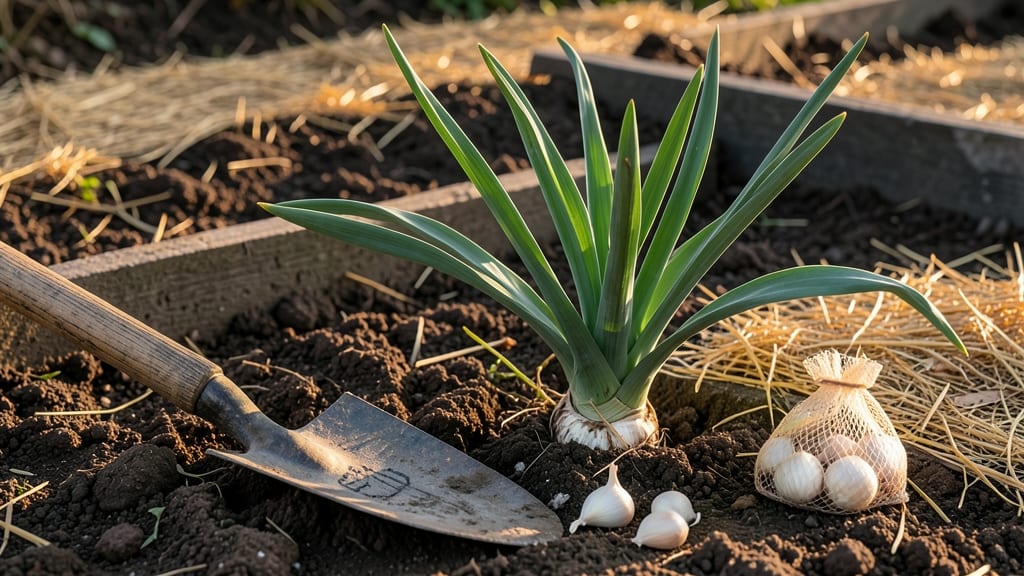
Planting garlic in Northeast Ohio isn't just about timing—it's about capturing that sweet spot between frost and freeze to unlock the biggest, hardiest bulbs. The right window (October through November) separates a thriving harvest from a wasted garden spot, especially in USDA Zone 6a where winters can be unpredictable.
I've learned the hard way that waiting too late means garlic struggles to establish roots before the ground locks up, while planting too early risks rot in warm soil.
The key? Soil temperatures between 40-50°F—that's your garlic's golden ticket to success. Let me show you exactly how to nail this window and adjust for Northeast Ohio's microclimates.
This isn't just theory—we're talking about hardneck garlic varieties that actually thrive in our climate, like 'German White' or 'Music,' which can handle our frosts and still deliver those prized cloves by late June.
I'll walk you through the exact steps to prep your soil, choose the right varieties, and time your planting for maximum bulb development.
Whether you're a first-time gardener or a seasoned grower, these insights will help you avoid common mistakes that lead to small, weak bulbs. Let's get your garlic planted right so you can enjoy that first harvest of the season—just like the pros do in Northeast Ohio.
Fall planting deadlines for Northeast Ohio hardneck garlic
Timing your hardneck garlic planting in Northeast Ohio is everything—get it right, and you’ll harvest plump bulbs by midsummer. Miss the window, and your crop may bolt early or produce small, weak cloves.
The ideal planting window spans from October 1st to November 15th, but soil temperature and frost patterns can shift that timeline dramatically. I’ve planted garlic for over a decade in this region, and I’ve learned that soil temperature (not calendar dates) is the real deadline maker.
Your garlic cloves need 40–50°F soil temperatures to root properly before winter dormancy sets in. If you plant too early, the cloves may sprout and get damaged by early frosts.
Plant too late, and the bulbs won’t have enough time to develop before summer heat arrives. Northeast Ohio’s Zone 6a climate means we’re always playing catch-up with unpredictable weather, so flexibility is key. Let’s break down how to nail this window every time.
| Planting Stage | Critical Action | Soil Temp Threshold | Northeast Ohio Deadline |
|---|---|---|---|
| Pre-Planting Prep | Test soil pH (6.0–7.0), amend with compost | N/A | September 15–October 1 |
| Planting Window | Plant cloves 4" deep, 6" apart | 40–50°F | October 1–November 15 |
| Early Frost Adjustment | Delay planting if soil >50°F; use row covers | >50°F | Push to November 15 |
| Late Frost Adjustment | Plant sooner; mulch heavily for insulation | <40°F | Pull back to October 1 |
| Post-Planting Care | Mulch with 4" straw; water lightly if dry | N/A | Immediately after planting |
Here’s my pro tip for Northeast Ohio gardeners: Use a soil thermometer to check temperatures at a 4-inch depth (where your garlic cloves will sit). If the soil is above 50°F in early October, delay planting until temperatures drop.
Conversely, if a hard frost is forecasted before November 15, plant as soon as possible—even if the soil is slightly warmer. The goal is to give your garlic 6–8 weeks of root growth before the ground freezes solid.
Don’t let the first frost scare you off—garlic thrives with cold exposure. In fact, vernalization (a cold period) is what triggers bulb formation in hardneck varieties. What you should avoid is planting when the soil is too warm, as this can cause premature sprouting.
I’ve seen garlic cloves sprout in warm soil and then get fried by a sudden frost, leaving you with nothing but sad, blackened sprouts. Wait for cooler soil to prevent this heartbreak.
If you’re in a microclimate with earlier frosts (like higher elevations or north-facing slopes), aim for the earlier end of the window. Conversely, urban areas or south-facing gardens might stay warmer longer—don’t rush to plant before November 1.
I once planted garlic in early November in my backyard, and it still produced decent-sized bulbs because the soil stayed workable until mid-November. Flexibility is your friend here.
Once planted, mulching is non-negotiable in Northeast Ohio. Apply a 4-inch layer of straw or leaves to insulate the soil and prevent temperature swings.
This mulch will also suppress weeds and retain moisture during next year’s growing season. Don’t skip this step—I’ve had garlic beds where I forgot to mulch, and the soil froze too deeply, stunting bulb development.
Finally, mark your calendar for late June to early July—that’s when your garlic will be ready to harvest. The lower leaves will turn brown and crispy while the upper leaves stay green.
If you plant in November, your harvest might shift slightly later, but the bulbs will still be flavorful. The key is consistency in timing: plant early enough for root growth, but not so early that you risk frost damage.
Remember, hardneck garlic is a biennial plant, meaning it needs two years to complete its cycle. The bulbs you plant this fall will send up scape shoots next summer (which you can harvest for cooking), but the real payoff comes the following year.
By nailing your fall planting, you’re setting up next year’s harvest—and trust me, that first bite of homegrown garlic in July is worth every bit of planning.
🌱
How to prepare Northeast Ohio soil for garlic planting
Preparing your soil for garlic in Northeast Ohio is the foundation of a successful harvest. Our region’s clay-heavy soils and rocky subsoil can pose challenges, but with the right amendments, you’ll create an ideal environment for hardneck garlic to thrive.
I’ve found that focusing on three key factors—pH balance, organic matter, and drainage—makes all the difference between mediocre bulbs and prize-winning harvests.
Start by testing your soil’s pH level—garlic prefers a range of 6.0 to 7.0. Northeast Ohio’s native soils often lean acidic, which can stunt root growth. A simple home test kit or soil lab analysis will give you the data you need to make adjustments.
If your soil is too acidic, add lime (calcium carbonate) in the fall, while alkaline soils benefit from sulfur or peat moss.
Next, focus on organic matter. Garlic loves loose, fertile soil rich in compost or well-rotted manure. Work in 2-3 inches of compost or aged manure into the top 6-8 inches of soil before planting.
This improves soil structure, retains moisture, and provides essential nutrients. For rocky or compacted areas, mix in sand or perlite to break up heavy clay and improve aeration.
Drainage is another critical factor in Northeast Ohio’s wet springs and heavy clay soils. Garlic hates soggy roots, so amend your soil with coarse sand or gravel if drainage is poor.
Raised beds are an excellent solution if your yard has persistent waterlogging issues. They also warm up faster in spring, giving your garlic a head start.
⚠️ WARNING: Common Mistake in Northeast Ohio Gardens Planting garlic in unamended clay soil without proper drainage leads to rotten bulbs and wasted effort.
Many gardeners skip soil prep, assuming garlic is low-maintenance—but in our climate, that’s a recipe for failure. Test your soil first, then amend it 4-6 weeks before planting. If you wait until October, you’ll miss the window to properly incorporate amendments.
Even a 30-minute soil test now can save you from disappointment next summer when your bulbs fail to mature.
Don’t overlook companion planting to boost garlic yields. Plant garlic near rosemary, thyme, or marigolds to deter pests like aphids and onion flies. Avoid planting near beans or peas, as they compete for nutrients.
In Northeast Ohio, where space is often limited, interplanting garlic with winter greens like spinach or kale maximizes garden efficiency—greens provide early spring harvests while garlic establishes itself.
Finally, mulch your garlic beds with 2-3 inches of straw or leaves after planting. This insulates the soil, regulates temperature swings, and suppresses weeds. In our unpredictable climate, mulch helps garlic survive early frosts while preventing soil erosion from heavy rains.
Just be sure to pull back the mulch in late winter to allow sunlight to warm the soil before spring growth begins.
With these soil prep steps, your Northeast Ohio garlic will have the perfect foundation to develop large, flavorful bulbs ready for harvest by late June.
The extra effort now pays off in a harvest that’ll make your neighbors jealous—trust me, I’ve tried the shortcuts, and this method works every time! 🌱