
Plants
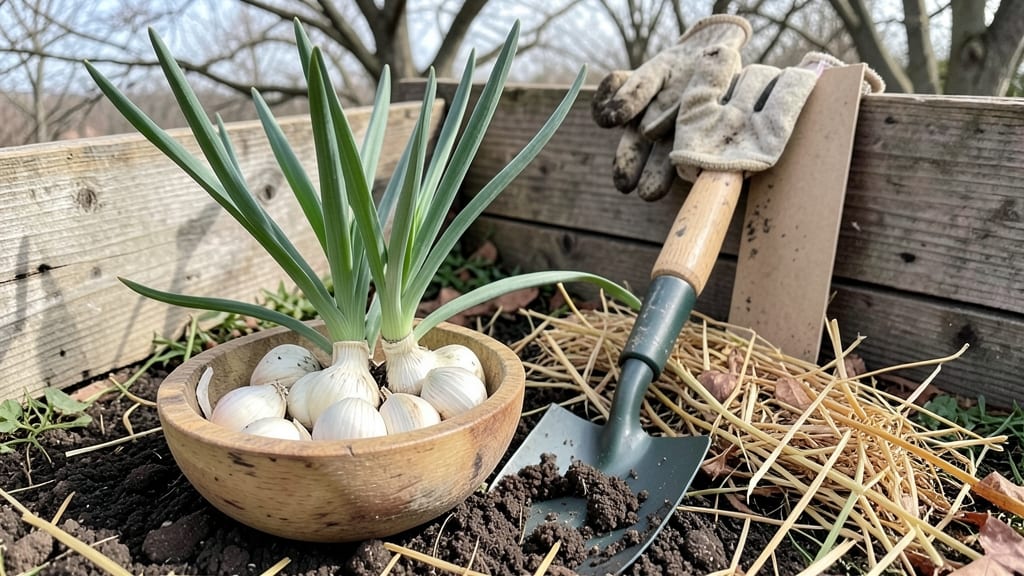
Timing your 🧄 garlic planting in Ohio’s Zone 6 isn’t just about the calendar—it’s about outsmarting the frost and giving your crop the best shot at success. Plant too early or too late, and you might end up with weak bulbs or even no harvest at all.
The key? Understanding how Ohio’s fall frosts work and when the ground is ready to welcome those cloves.
Most Ohio gardeners know fall is the prime time to plant garlic, but did you know the ideal window is just 4-6 weeks before the ground freezes? That means aiming for late October to early November, when soil temps drop but haven’t turned to ice.
This timing lets the cloves establish roots before winter sets in, setting you up for a bigger harvest next summer.
But what if you miss that window? Or maybe you’re curious about spring planting? I’ll break down the exact frost-date rules for Ohio Zone 6, plus how to adjust for early or late winters.
You’ll also learn how to prep your soil and avoid common mistakes that ruin garlic crops—so you can grow hardneck varieties like a pro, even in the Midwest’s unpredictable climate.
Whether you’re a first-time gardener or a seasoned green thumb, these insights will help you plan your 🧄 garlic planting with confidence. Let’s get those cloves in the ground at the perfect moment for a harvest that’ll make your neighbors jealous.

Optimal planting windows for hardneck garlic in Ohio Zone 6
Ohio's Zone 6 climate creates a unique challenge for growing hardneck garlic—timing your planting window correctly ensures strong root development before winter and a productive harvest the following summer.
Unlike warmer climates, Ohio's first frost typically arrives between mid-October and early November, giving you a narrow but critical window for fall planting.
For most Ohio gardeners, fall planting between October 1st and November 15th produces the largest bulbs, but soil temperatures and frost dates can shift your ideal window by weeks. Spring planting is possible but riskier—only attempt it if you miss the fall window or experience unusually warm winters.
Here's the key: Hardneck garlic needs 4-6 weeks of cool soil temperatures (50°F or below) before the ground freezes to establish roots. In Ohio, this means planting 4-6 weeks before your average first frost date—usually late September to mid-October for most regions.
🌱
| Planting Window | Soil Temp | Moon Phase | Frost Risk | Action |
|---|---|---|---|---|
| Late September | 55-60°F | Waxing Gibbous | Low | Plant for early root growth |
| October 1-15 | 50-55°F | Full Moon | Moderate | Ideal planting window |
| October 16-31 | 45-50°F | Waning Crescent | High | Last chance before frost |
| November 1-15 | 40-45°F | New Moon | Very High | Risky; only for warm microclimates |
| Spring (April) | 45-50°F | Waxing Gibbous | None | Smaller bulbs; harvest same year |
Ohio's microclimates can shift these windows by 1-2 weeks. Urban areas like Columbus often experience earlier frosts than rural zones, while southern Ohio (e.g., Cincinnati) may have 10-14 extra frost-free days.
Check your local USDA frost maps or use a soil thermometer to confirm when temperatures drop below 50°F consistently.
Many gardeners swear by moon phase planting for garlic, aiming for the full moon or waxing gibbous phases to boost root development. While scientific evidence is mixed, Ohio's cool, moist soils during these phases can indeed improve germination rates.
For best results, plant during the waxing moon (when the moon is growing) to encourage root growth.
If you're late to plant due to wet soils or delayed frost, consider spring planting in early April—just be prepared for smaller bulbs that mature the same year.
The key is to plant as soon as soil temperatures stabilize above 45°F and remain frost-free for 6-8 weeks before summer heat arrives.
For urban gardeners with limited space, container planting extends your window slightly. Use well-draining pots and plant 2-3 weeks later than ground planting to avoid overheating. Just ensure containers have drainage holes and use a lightweight potting mix to prevent waterlogging during Ohio's winter thaws.
Pro tip: Mark your calendar for March 1st—this is when Ohio's soil temperatures typically stabilize enough for spring planting prep. If you're planting in spring, aim to have cloves in the ground by April 15th to avoid the late-spring heat that can stress young plants.
☀️
How to prepare your Ohio garden for garlic planting success
Preparing your garden for garlic planting in Ohio’s Zone 6 starts long before you even plant those cloves. The key to a bountiful harvest lies in your soil’s health, drainage, and the right microclimate—whether you’re in a cozy urban backyard or a spacious rural plot.
Ohio’s clay-heavy soils can be tricky, but with the right prep, you’ll give your garlic the perfect foundation to grow those plump, flavorful bulbs.
First, focus on soil testing—garlic thrives in soil with a pH between 6.0 and 7.0. If your soil is too acidic or alkaline, amend it with lime (to raise pH) or sulfur (to lower pH) at least 4-6 weeks before planting.
Urban gardeners often face compacted soil, so till in 2-3 inches of compost or well-rotted manure to improve aeration and nutrient retention.
For drainage, avoid low spots where water pools after rain—garlic hates soggy roots. If your garden has poor drainage, consider raised beds or mounding soil to create a slightly elevated planting area.
Rural gardeners with heavier soils can mix in sand or perlite to break up clay particles and encourage root growth.
⚠️ Ohio Zone 6 Planting Deadline Warning
Plant garlic no later than November 15 in most of Ohio to ensure cloves establish roots before the ground freezes. Rural areas (like northeast Ohio) may need to plant by November 1 due to earlier frosts, while urban areas (like Columbus or Cincinnati) can push planting to mid-November. Use your local USDA frost calendar—if the ground isn’t frozen yet but temps drop below 20°F, cover plants with straw mulch (3-4 inches thick) to protect them.
Next, think about spacing and layout. Plant individual cloves 4 inches deep and 6 inches apart in rows spaced 12 inches apart. This gives bulbs room to expand without competing for nutrients.
For urban gardeners with limited space, try square-foot gardening: plant 9 cloves per square foot in a grid pattern. Hardneck varieties (like ‘Music’ or ‘German White’) need slightly more space than softneck types.
Companion planting can boost your garlic’s success. Pair it with beans, lettuce, or tomatoes to deter pests naturally, but avoid planting near onions, leeks, or shallots—they’re all in the Allium family and can cross-pollinate or compete for nutrients.
In rural settings, interplant garlic with carrots or radishes to improve soil structure as they grow.
Finally, don’t skip the mulch. After planting, apply a 3-4 inch layer of straw to insulate the soil, retain moisture, and protect cloves from freeze-thaw cycles. In urban areas, mulch also suppresses weeds and regulates soil temperature.
Remove mulch in early spring to prevent rot, but keep an eye on moisture—garlic needs consistent but not soggy soil as it grows.
With these steps, your Ohio garden will be ready to grow hardneck garlic that’s ready for harvest next July or August. The secret? Start early, amend your soil, and let nature do the rest—your future meals will thank you! 🧄