
Plants
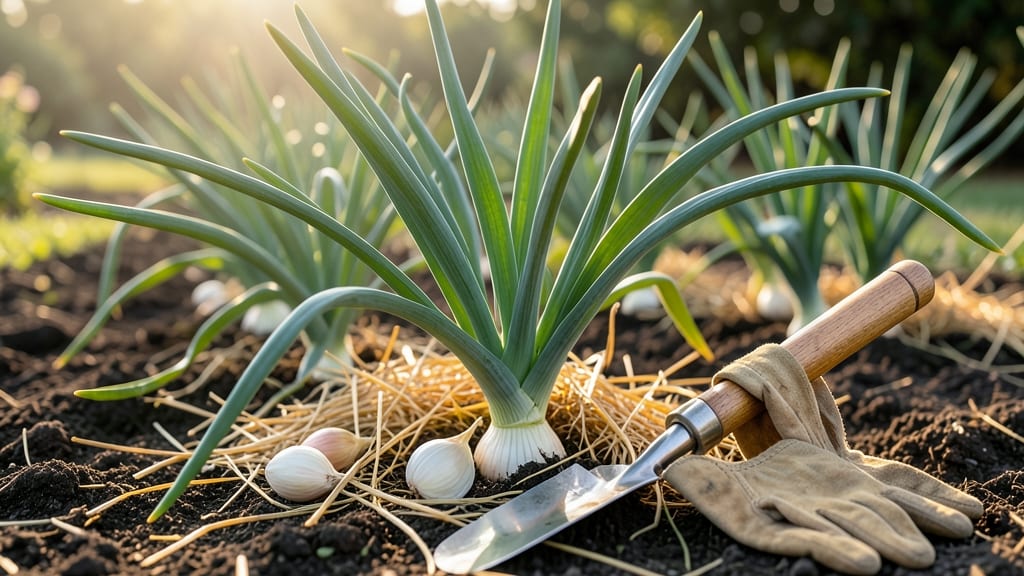
Planting garlic at the wrong time in Tennessee could mean the difference between a bountiful harvest of plump 🧄 cloves and wasted effort.
The key to growing hardneck varieties successfully lies in understanding the optimal fall window—typically between October and November—when soil temperatures drop but before the first hard frost hits.
For Tennessee gardeners in USDA Zones 5b-8a, timing matters more than you might think. A late planting could leave your garlic vulnerable to winter kill, while planting too early might encourage premature sprouting.
I’ve learned that the 4-6 week rule before the ground freezes is the sweet spot for hardneck garlic to establish strong roots before winter sets in.
But here’s the thing: Tennessee’s climate varies dramatically from East to West, with Nashville and Memphis facing different frost dates. If you’re in Zone 6 or 7, aim for early October; if you’re in Zone 8a, you might have until mid-November.
The goal is simple: give your garlic time to root before the cold locks the soil.
In this guide, I’ll walk you through the exact planting window, soil prep tips, and how to adjust for Tennessee’s microclimates—so you can grow garlic that’s stronger, healthier, and ready for harvest by late June or July. Let’s get those cloves in the ground the right way!
Best fall planting window for Tennessee garlic
Tennessee’s fall planting window for hardneck garlic is your golden opportunity to grow the largest, most flavorful bulbs. Unlike spring planting, fall garlic benefits from cold stratification—a natural process that enhances bulb development.
For USDA Zones 6-8, this means planting between October 1 and November 15, but timing varies slightly across East, Middle, and West Tennessee.
The key is planting 4-6 weeks before the ground freezes. In Nashville (Zone 7a), aim for early October, while Memphis (Zone 8a) gardeners can push it to mid-November.
East Tennessee’s higher elevations (Zone 6b) may need earlier planting by late September to avoid winter freeze risks.
| Region | Ideal Planting Window | Soil Temp Range | Moon Phase Tip |
|---|---|---|---|
| East TN (Zone 6b) | Late September–October 15 | 45–55°F | Plant during waxing moon |
| Middle TN (Zone 7a) | October 1–November 1 | 50–60°F | Avoid full moon planting |
| West TN (Zone 8a) | October 15–November 15 | 55–65°F | New moon boosts root growth |
Soil temperature is critical—hardneck garlic roots need 40–50°F soil to establish before winter. Use a soil thermometer to confirm readiness. If late October arrives and soil is still warm (60°F+), delay planting until temperatures drop naturally or use shade cloth to cool the soil.
Adjust for microclimates like urban heat islands or sheltered valleys. A south-facing slope in Zone 7a may stay warm longer, while a north-facing garden could freeze earlier. Observe your yard’s frost patterns for 3+ years to refine your schedule.
Moon phases influence garlic growth—plant during the waxing moon (increasing light) for stronger roots and bulb development. Avoid planting during the full moon, as it can stress young cloves. Check a lunar planting calendar for Tennessee-specific dates.
Late warm spells can trick gardeners into planting too late. If temperatures rebound above 70°F after an early frost, wait until nighttime lows consistently drop below 50°F before planting. This prevents premature sprouting and weak root systems.
Hardneck varieties like 'Music' or 'German White' thrive in Tennessee’s climate. For softneck garlic, plant in early spring (February–March) instead. Hardnecks produce scape shoots in spring, a bonus harvest worth planning for!
After planting, apply 2–3 inches of mulch (straw or leaves) to insulate bulbs through winter. This protects against freeze-thaw cycles that can heave garlic out of the soil. Remove mulch in early spring to allow soil warming.
Monitor your garlic’s progress in late winter. Healthy plants will show green shoots by February. If growth stalls, add a light nitrogen fertilizer (like fish emulsion) to encourage top growth without overfeeding the bulbs.
How to prepare your soil for garlic planting in Tennessee
Tennessee’s clay-heavy soils and humid summers demand special prep to grow hardneck garlic successfully. The key? A well-aerated, nutrient-rich bed with a pH between 6.0–7.0. Without this foundation, your cloves may rot, stunted, or produce small bulbs—even if planted at the perfect time.
Let’s fix that with a TN-specific soil checklist to maximize your harvest.
Start by testing your soil’s pH level using a home test kit or send a sample to UT Extension. Tennessee’s acidic soils (common in East TN) need lime or wood ash to raise pH, while alkaline soils (like those in Middle TN) benefit from sulfur or peat moss.
Aim for 6.0–7.0—garlic thrives in this neutral-to-slightly-acidic range.
🌱 Tennessee Soil Prep Checklist
- Test soil pH (UT Extension lab or home kit) – Aim for 6.0–7.0
- Add 2–3 inches of compost or aged manure (work into top 12 inches)
- Improve drainage in clay soils with sand or perlite (mix 20% sand)
- Apply wood ash (1 cup per 10 sq ft) for potassium and pH adjustment
- Plant companion crops like beans or marigolds to deter pests
For clay-heavy soils (common in Nashville and Memphis), mix in coarse sand or perlite to prevent waterlogging. Tennessee’s heavy rainfall can drown garlic roots, so aim for well-draining soil with 30–40% organic matter.
Spread a 2-inch layer of compost over the bed and till it into the top 12 inches of soil 2–3 weeks before planting.
Wood ash is a game-changer for TN soils. Sprinkle 1 cup per 10 sq ft to raise pH and add potassium, but avoid overdoing it—too much ash can make soil too alkaline.
Test again after amending! Pair garlic with companion plants like beans or marigolds to repel pests like onion flies and thrips, which thrive in TN’s humid summers.
Finally, rake the bed smooth and create 1-inch-deep furrows spaced 6 inches apart. This ensures proper air circulation and prevents fungal diseases like white rot. Mulch with straw or leaves after planting to insulate roots during Tennessee’s freezing winters and retain moisture in dry spells.
With this prep, your hardneck garlic will establish strong roots before winter, setting the stage for plump, flavorful bulbs by next summer. Happy digging! 🌱