
Plants
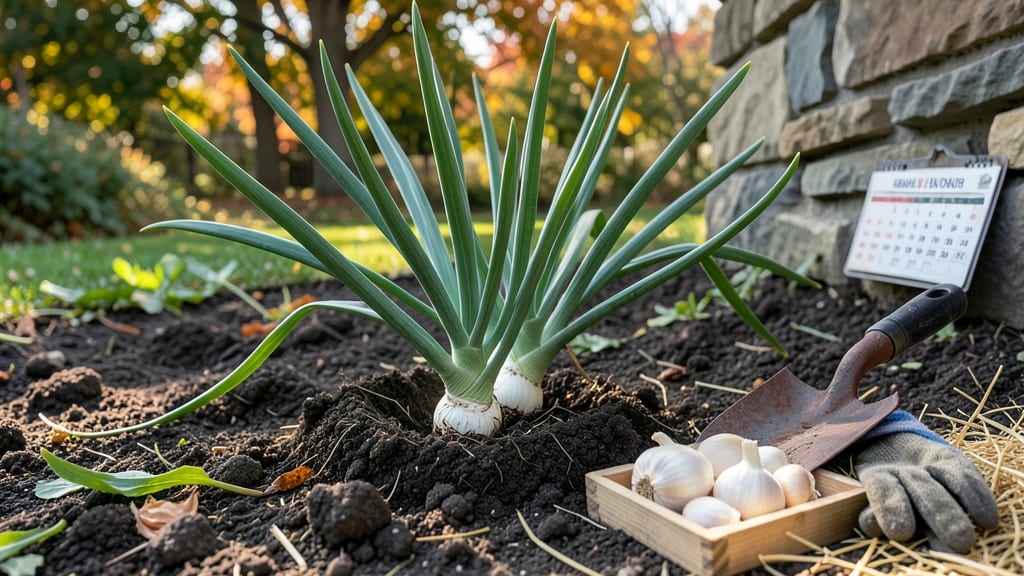
Planting garlic at the wrong time in Ontario, Canada can turn your hardneck 🧄 dreams into a soggy mess—literally. The key to a thriving harvest isn't just about the cloves you choose, but when you tuck them into the soil before winter sets in.
If you're in Zone 5b-6a, timing is everything. Most Ontario gardeners swear by fall planting between October and November, but there's more to it than just picking a month.
The first hard frost signals the perfect window, and getting it right means bulbs that grow strong and plump by next summer.
I've learned the hard way that planting too early or too late can lead to moldy cloves or stunted growth. What you'll discover here is how to sync your garlic with Ontario's climate—from soil prep to mulching tricks—that actually work for our unpredictable winters.
Ready to grow hardneck garlic that rivals the harvests from warmer climates? Let's break down the exact steps to plant your cloves for maximum success, so you're harvesting plump bulbs by July instead of scraps.
Best fall planting dates for garlic in Ontario (with frost Zone adjustments)
Timing your garlic planting in Ontario is all about reading the first hard frost and soil temperatures. For Zone 5b-6a gardeners, this means planting 4-6 weeks before the ground freezes—typically between mid-October and early November. This window gives garlic roots time to establish before winter dormancy begins.
Hardneck varieties like 'Music' or 'German White' thrive in Ontario’s cold winters, while softneck types ('Artichoke' or 'Silverskin') need slightly warmer conditions. Since softnecks struggle with freezing, they’re better suited for Zone 6b or milder microclimates like southern Ontario.
Use your last frost date as your anchor. For example, if your area’s first hard frost is November 15, aim to plant by October 15. This ensures garlic has 6-8 weeks of root growth before winter sets in.
Soil temperature is just as critical as air temperature. Test your soil with a thermometer—it should be below 10°C (50°F) but not frozen. In heavy clay soils common in Ontario, add compost or sand to improve drainage and prevent rot.
Hardneck garlic needs cold vernalization (a period of freezing temps) to form bulbs. Planting too late (after November 15) delays this process, resulting in smaller, weaker bulbs. Conversely, planting too early (before September 30) risks sprouting before winter.
Adjust for microclimates—southern Ontario’s Zone 6b areas like Niagara can plant later (up to December 1), while northern Zone 5a regions (e.g., Sudbury) must finish by October 20 to avoid frost damage.
Pro tip: Mark your planting date on a calendar and note the soil temperature at planting. This helps refine your timing for future years. For example, if you planted on October 25 and harvested large bulbs, repeat that date next year.
After planting, apply 4-6 inches of mulch (straw or leaves) to insulate bulbs through winter. This protects against freeze-thaw cycles that can heave garlic out of the ground, ensuring a stronger spring emergence.
Remember: Hardneck garlic is your best bet for Ontario’s climate. Its hardy scapes and robust bulbs reward gardeners who nail the fall planting window. Start now, and you’ll be harvesting plump, flavorful garlic next July!
How to prepare garlic cloves for Ontario’s cold climate (step-by-step)
Ontario’s Zone 5-6 climate demands extra care when preparing garlic cloves for planting. The key to success lies in selecting the right cloves, curing them properly, and amending heavy clay soils—common in Southern Ontario.
Follow these steps to ensure your garlic thrives through winter and produces large, hardy bulbs next summer.
Start by choosing hardneck garlic varieties like 'Music' or 'German White', which perform best in cold climates. Avoid softneck varieties unless you’re growing for storage. Break apart your garlic bulbs into individual cloves, ensuring each has a full root base attached—this is critical for healthy growth.
✅ Step-by-Step Garlic Prep for Ontario
- 1 Select clove size: Choose medium-sized cloves (1-2 inches long). Large cloves produce bigger bulbs, but small ones may not store well. Discard any sprouted or damaged cloves.
- 2 Cure cloves: Spread cloves on a screen or paper towel in a dry, shady, well-ventilated area for 1-2 weeks. This hardens the skins and prevents rot in wet Ontario springs.
- 3 Amend heavy clay soil: Test your soil—Ontario’s clay soils need compost (2-3 inches) and sand or perlite to improve drainage. Aim for a pH of 6.0-7.0. Mix in aged manure or worm castings for nutrients.
- 4 Planting depth: Bury cloves 2 inches deep, with the pointy end up. Space them 6 inches apart in rows 12 inches apart to allow airflow and reduce disease risk.
- 5 Mulch heavily: Apply 4-6 inches of straw or leaves after planting to insulate bulbs from freeze-thaw cycles. Remove mulch in early spring to prevent rot.
After planting, mark your garlic rows with stakes or flags to avoid disturbing them in spring. Ontario’s unpredictable weather can bring early thaws, so monitor for sprouting shoots in late winter. Once shoots reach 4-6 inches tall, add a light top-dressing of compost to support growth.
Protect your garlic from voles and rodents by using hardware cloth barriers in high-risk areas. These pests are common in Ontario gardens and can decimate your crop before harvest. With these steps, your garlic will be ready for a robust harvest in mid-July.
🌱