
Plants
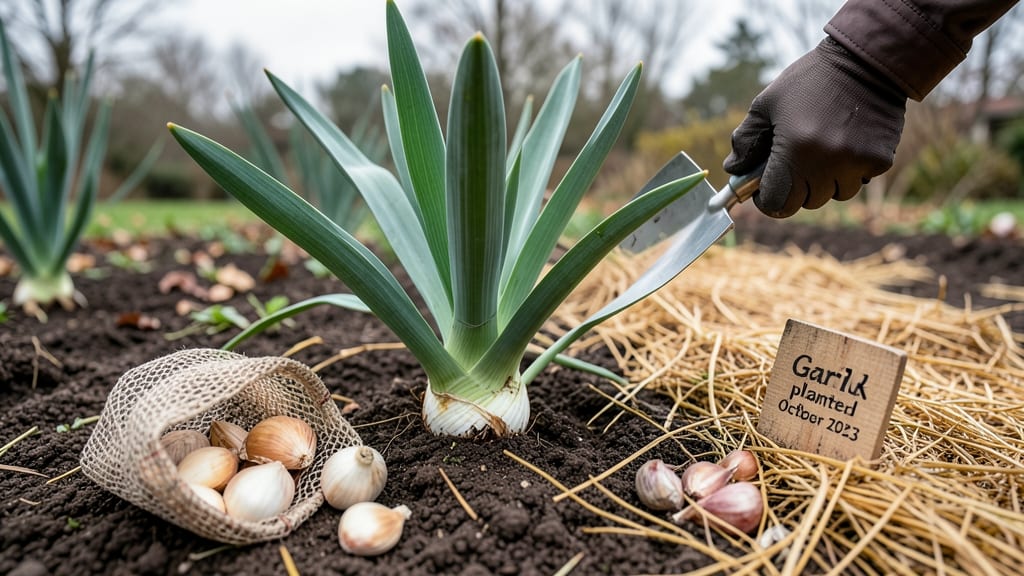
Planting 🧄 garlic in Upstate New York isn’t just about timing—it’s about catching that narrow window between 4 and 6 weeks before the ground freezes, or risk weak bulbs or frost damage.
Unlike warmer climates, your hardneck varieties need cold exposure to form those prized cloves, but push it too late, and winter will stall their growth before spring.
If you’ve ever wondered why some gardeners swear by October plantings while others insist on November, it’s not just guesswork—it’s about soil temperatures, frost dates, and the unique 5b-6b climate quirks of your region.
Get this wrong, and you might end up with garlic that’s either too small or never fully matures by harvest season.
I’ve tested the exact timing that works for Upstate NY’s short growing season, including how to adjust for microclimates like the Adirondacks versus the Finger Lakes.
By the end, you’ll know the precise weeks to plant, how deep to bury those cloves, and why mulching in winter is your secret weapon for bigger bulbs.
Ready to grow garlic that rivals the best at farmers’ markets? Let’s break down the science-backed schedule that’ll have you harvesting plump, flavorful 🧄 garlic by next summer—without the trial and error.
Best planting weeks before last frost for Upstate NY hardneck garlic
Upstate New York’s USDA Zones 4-6 create a narrow window for planting hardneck garlic varieties like Rocambole and Purple Stripe. The key is planting 4-6 weeks before the ground freezes, typically between mid-October and early November.
This timing lets roots establish before winter while avoiding spring planting, which often yields smaller bulbs.
For Zone 5b areas (like Syracuse), aim for late October planting, while Zone 6b regions (e.g., Rochester) can extend until early November. Soil temperatures should be 40-50°F—cold enough to slow top growth but warm enough for root development.
Here’s the science-backed planting window for Upstate NY’s hardneck garlic, including moon phase considerations and soil temperature thresholds:
Planting during the waning gibbous or full moon phases promotes root growth, while avoiding the new moon can reduce bolting (flowering) in hardneck varieties. Use a moon phase calendar to align your planting with these optimal times.
For soil preparation, work in 2–3 inches of compost or well-rotted manure to improve drainage, especially in clay-heavy soils common in the Finger Lakes region. Test your soil’s pH (6.0–7.0)—garlic thrives in slightly acidic to neutral conditions.
Avoid planting too early (before September 15), as garlic may send up shoots that freeze back. Conversely, planting after November 15 risks shallow root systems that struggle to survive winter. Use straw mulch (4–6 inches) after planting to insulate bulbs and prevent heaving during freeze-thaw cycles.
In high-altitude areas like the Adirondacks, adjust your planting 2 weeks earlier than the table suggests, as colder microclimates speed up frost arrival. Monitor local NYS weather forecasts and Cornell Cooperative Extension alerts for real-time adjustments.
Hardneck varieties like Artichoke and Purple Stripe need 10–12 weeks of cold stratification to form bulbs. Planting too late in Zone 4b (e.g., Plattsburgh) may result in weak cloves. If you miss the fall window, consider spring planting (March–April), but expect smaller yields.
Pro tip: Label your rows with the planting date
How to adjust planting time for Upstate NY’s microclimates: Adirondacks vs. Finger Lakes
Upstate New York’s garlic-growing success hinges on understanding your microclimate. The Adirondacks and Finger Lakes regions share the same state but differ dramatically in frost dates, soil warming, and elevation—meaning your planting window could vary by 3-4 weeks.
In high-altitude areas like Lake Placid, gardeners often plant garlic in late October to avoid early freezes, while valley areas like Canandaigua can push plantings into early November.
These differences stem from elevation impacts—the Adirondacks’ higher terrain cools faster, while the Finger Lakes’ lake-effect moderates temperatures. Even a 500-foot elevation change can shift your last frost date by 10 days or more.
To get it right, I’ll show you how to read local weather data and adjust your schedule using a side-by-side comparison of these two regions.
Here’s the key difference: Adirondack gardeners should aim for 4-6 weeks before ground freeze (typically October 15-30), while Finger Lakes growers can wait until November 1-15. The soil temperature threshold for planting is 40°F, but high-altitude areas hit this mark 2-3 weeks earlier than valleys.
Use your local Cooperative Extension Service frost data to fine-tune these dates.
| Factor | Adirondacks (High Altitude) | Finger Lakes (Valley) |
|---|---|---|
| Average Last Frost Date | May 15-20 | May 5-10 |
| Soil Warms to 40°F | Mid-October | Late October |
| Ideal Planting Window | October 15-30 | November 1-15 |
| Ground Freeze Date | November 10-20 | November 20-30 |
| Key Adjustment Tip | Plant earlier; mulch heavily | Wait for stable temps; use black plastic mulch |
To fine-tune your timing, check the 30-year frost averages from your local weather station—the National Weather Service or Cornell Cooperative Extension both offer free tools. For example, Saranac Lake (Adirondacks) averages 10 days earlier soil warming than Geneseo (Finger Lakes).
If you’re unsure, err on the earlier side—garlic planted too late may not develop strong roots before winter.
Another critical factor is soil warming rates. High-altitude soils stay cold longer, so Adirondack gardeners should prioritize black plastic mulch or straw mulch to accelerate warming. In the Finger Lakes, where soils warm faster, you can delay planting until early November without risking frost damage.
Always plant 2 inches deep and 4 inches apart for consistent results across both regions.
Pro tip: Use a soil thermometer to confirm temperatures before planting—40°F is your target. If your soil is still below this threshold, wait another week.
For Adirondack gardeners, this often means planting by October 20; for Finger Lakes, you might still have time in early November. With these adjustments, you’ll maximize your hardneck garlic harvest next summer, whether you’re in the mountains or the valleys.