
Plants
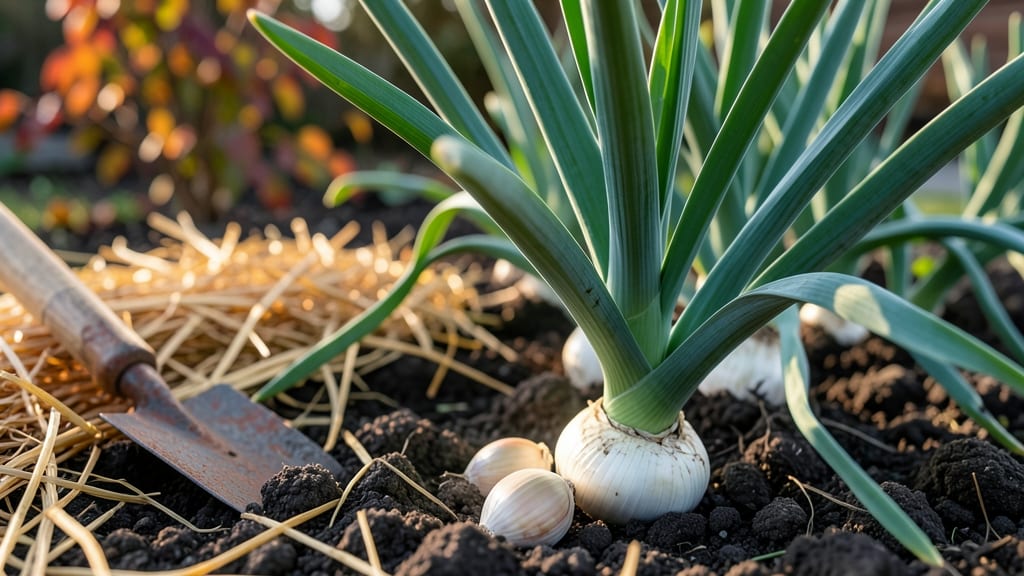
Planting garlic in Vermont at the wrong time can mean the difference between a bumper crop of plump bulbs and a disappointing harvest—or worse, no harvest at all.
The key to growing hardneck garlic 🧄 in USDA zones 4b-6a lies in timing it perfectly with Vermont’s crisp fall weather, when soil temperatures drop but the ground stays workable.
Most gardeners in the Green Mountain State swear by mid-to-late fall planting, between October and November, giving the cloves time to establish roots before winter’s chill sets in. But why does this matter?
Because garlic needs a period of cold dormancy to develop those prized hardneck bulbs, and Vermont’s climate delivers just the right conditions when you plant at the right moment.
In this guide, I’ll break down exactly when to plant garlic in Vermont—whether you’re in Chittenden County’s cooler north or Windham County’s slightly milder south—and how to adjust for your specific microclimate.
You’ll also discover the 5 critical mistakes that ruin garlic crops here, and how to avoid them for a harvest ready by late June.
Ready to grow garlic that rivals the best at the farmers’ market? Let’s dive into the science behind Vermont’s planting window and the simple steps to ensure your garlic thrives through winter and beyond.
Optimal fall planting dates for hardneck garlic in Vermont
Vermont’s cold winters and short growing seasons create perfect conditions for hardneck garlic, but timing your planting is critical. The USDA zones 4b-6a across the state mean frost arrives earlier in northern regions like Chittenden County than in southern areas like Windham County.
To maximize bulb size and flavor, you’ll want to plant when soil temperatures drop below 40°F but before the ground freezes solid.
Hardneck garlic needs 6-8 weeks of cold dormancy to form bulbs properly. This means planting 4-6 weeks before your first hard frost, typically between mid-October and mid-November in most of Vermont.
If you plant too early, cloves may sprout and weaken before winter. If you wait too long, the soil won’t have time to cool enough for proper bulb development.
The ideal soil temperature for planting is between 40-50°F. In Vermont, this usually aligns with late October in northern regions and early November in southern areas. Use a soil thermometer to check—this small investment can save you from planting too late.
For hardneck varieties like German White or Chesnok Red, the cold period is essential for bulb formation. If you miss the fall window, you can try spring planting, but bulbs will be smaller and less flavorful.
Spring-planted garlic typically goes in early April when soil reaches 40°F.
Vermont’s frost cycles play a crucial role. After planting, garlic needs consistent cold but should avoid freeze-thaw cycles that can damage cloves. A thick layer of straw mulch (3-4 inches) protects plants through winter while allowing airflow. Remove mulch in early spring to prevent rot.
Soil preparation matters just as much as timing. Test your soil pH (6.0-7.0) and amend with compost or aged manure before planting. Hardneck garlic prefers well-draining soil with 1-2% organic matter. In heavy clay soils common across Vermont, mix in sand or peat moss to improve drainage.
Pro tip: Break apart garlic bulbs into individual cloves right before planting. Use the largest cloves for bigger bulbs next year. Plant 2 inches deep with the pointy end up, spacing cloves 6 inches apart in rows 12 inches apart.
This spacing prevents disease spread and makes harvesting easier.
Monitor your garden for early spring green-up, which usually happens in late April to early May. Once you see shoots, reduce watering slightly to encourage bulb development.
Overwatering at this stage can lead to weak stems and poor bulb formation. Aim for 1 inch of water per week once growth resumes.
Remember: Patience is key with garlic. The bulbs you plant in fall won’t be ready to harvest until late June or July of the following year. But with the right timing and care, you’ll enjoy homegrown
How to adjust planting time by Vermont region (Chittenden vs. Windham County)
Vermont’s diverse geography means your garlic planting schedule should depend on where you live. Chittenden County in the north experiences earlier frosts and colder winters, while Windham County in the south enjoys slightly milder conditions.
These differences can shift your ideal planting window by 2-3 weeks, making regional adjustments critical for success.
In Chittenden County, where average first frosts arrive by mid-October and last frosts linger until late November, aim to plant garlic between October 1-15. This gives cloves enough time to root before winter sets in.
Meanwhile, gardeners in Windham County can push planting slightly later, targeting October 15-November 1, thanks to its later frost dates.
The key difference lies in elevation impacts. Northern Vermont’s higher elevations (like Burlington’s 100+ ft) freeze sooner than southern valleys (like Brattleboro’s 500+ ft), creating microclimates where planting windows can vary by 10-14 days.
Always check your local USDA zone—Chittenden falls in 4b-5a, while Windham spans 5a-6a.
| Region | USDA Zone | First Frost | Last Frost | Ideal Planting Window | Elevation Impact |
|---|---|---|---|---|---|
| Chittenden County | 4b-5a | Mid-October | Late November | October 1-15 | Higher elevations freeze 7-10 days earlier |
| Windham County | 5a-6a | Late October | Early December | October 15-November 1 | Valleys stay workable 2-3 weeks longer |
To fine-tune your planting, monitor soil temperatures. Garlic cloves need 40-50°F soil to root properly. In Chittenden, soil may drop below this by mid-November, while Windham’s soils stay warmer until late November.
Use a soil thermometer to confirm readiness—planting too early in cold soil can stunt root growth.
For gardeners in transitional zones (like Rutland County), split the difference: plant October 10-25 and adjust based on your specific frost history. Always aim to finish planting 4-6 weeks before hard frost—this ensures roots establish before winter dormancy begins.
Pro tip: Mark your calendar with your average frost dates and count backward. If you’re unsure, ask local gardeners or check the Vermont Weather Underground station nearest you for historical data. With these regional adjustments, your garlic will thrive whether you’re in Burlington’s chilly north or Brattleboro’s milder south.