
Plants
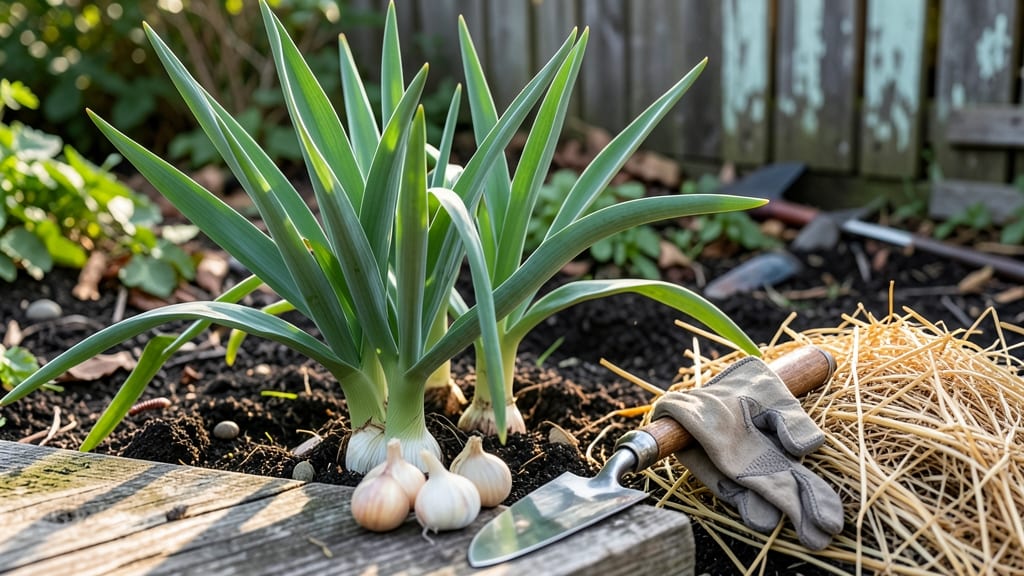
If you're growing 🧄 garlic in Zone 10, timing your fall planting could mean the difference between plump, flavorful bulbs and disappointing harvests. Unlike colder climates, Zone 10's mild winters demand a precise window—too early, and your garlic might bolt in the heat; too late, and you risk stunted growth.
I've learned the hard way that October through December is your sweet spot for planting 🧄 garlic in this climate. This period gives your cloves enough time to establish roots before winter rains arrive, while avoiding the summer heat that can trigger premature flowering.
What makes this timing so critical? Zone 10's lack of frost means garlic won't get that natural dormancy period many gardeners rely on. Instead, you're working with a delicate balance of soil temperatures and moisture levels that only fall planting can provide.
Let me walk you through exactly how to time your planting for maximum success—including soil prep tips and variety choices that thrive in California's coastal conditions. Your next harvest could be the best yet.

Optimal fall planting months for garlic in Zone 10: a science-backed timeline
In Zone 10, where winters are mild and summers scorching, timing your garlic planting isn't just about seasons—it's about survival.
The 6-8 week window before the winter solstice (typically mid-October to early December) creates the perfect balance: cool enough to prevent bolting but warm enough to establish roots before winter rains. Miss this window, and you risk small, pithy bulbs or even total failure.
Zone 10’s unique microclimates—from coastal fog belts to inland desert regions—demand flexibility. Coastal areas can plant slightly later (November), while inland zones should aim for October planting to beat the heat.
The key is soil temperature: garlic cloves need 50-60°F soil to sprout without rotting, making early fall the sweet spot.
| Planting Window | Ideal Soil Temp | Microclimate Adjustments | Variety Recommendation |
|---|---|---|---|
| October 1-15 | 55-65°F | Inland zones (e.g., Palm Springs) | Hardneck ('Music', 'German Red') |
| October 16-31 | 50-60°F | Transitional zones (e.g., LA Basin) | Softneck ('Artichoke', 'Silverskin') |
| November 1-15 | 45-55°F | Coastal fog zones (e.g., San Francisco) | Softneck ('Creole', 'Silver White') |
| November 16-Dec 15 | 40-50°F | High-elevation coastal (e.g., Santa Barbara) | Hardneck ('Turkish', 'Korean Red') |
Why does Zone 10’s mild winter change the game? Unlike colder zones where garlic needs a cold vernalization period, Zone 10’s consistent 40-50°F winters trick garlic into thinking it’s spring—leading to premature bolting if planted too late.
Hardneck varieties (like 'Music') handle this better than softnecks, but both need early fall planting to avoid heat stress.
Soil prep is your first line of defense. Test your soil in late summer (August-September)—aim for pH 6.0-7.0 and well-draining conditions. Amend with compost or aged manure to improve structure, but avoid fresh organic matter, which can cause rot.
In coastal areas, where winter rains are heavy, raised beds with gravel drainage layers prevent waterlogged cloves.
Spacing matters too. Plant cloves 2 inches deep, 4-6 inches apart, with rows 12 inches apart. This prevents disease spread (like botrytis) and ensures each bulb gets adequate airflow.
In inland desert zones, mulch with straw or wood chips to retain moisture, while coastal gardeners should use light mulch to avoid fungal issues from excess dampness.
Watch for heat tolerance limits: garlic cloves planted after November 15 in inland zones risk bolting if temperatures spike above 70°F in spring. Coastal areas have more leeway due to marine layer cooling, but even there, December planting is pushing your luck.
The winter solstice (Dec 21) marks the cutoff—any later, and your garlic may not mature before summer heat returns.
Pro tip: Use clove size to your advantage. Larger cloves (1.5"+ diameter) planted in early October yield bigger bulbs, while smaller cloves can be saved for November plantings.
Store cloves in a cool, dark place until planting to prevent sprouting. And if you’re in a high-humidity microclimate, consider fungicide-treated cloves to prevent mold.
Finally, don’t forget harvest timing: Zone 10 garlic is ready June-August of the following year, when lower leaves turn brown but upper leaves stay green. Cure bulbs in a shady, dry place for 2-3 weeks to extend storage life.
With this science-backed timeline, you’ll grow garlic that’s bold, disease-resistant, and ready for your kitchen—no more shriveled disappointments!
5 Critical signs your Zone 10 garlic planting is perfect (or doomed)
Garlic thrives in Zone 10's mild winters, but timing is everything. Plant too early, and your bulbs may bolt before forming properly. Too late, and you risk stunted growth or poor flavor.
The key lies in understanding soil temperature thresholds, moisture balance, and even moon phases—yes, really! These 5 critical signs will tell you whether your planting is on track or headed for failure.
First, your soil temperature must drop to 50-60°F before planting. Use a soil thermometer to check—this is your green light. If it's still above 65°F, wait. Warm soil triggers early sprouting, which weakens root development.
In Zone 10, this usually happens in late October to November, but coastal areas may need to adjust by a week or two.
- 🌡️ Soil temp 50-60°F: Plant only when soil cools below 65°F—use a thermometer to confirm.
- 🌙 Root moon phase: Plant during a waxing moon (root growth phase) for stronger bulb development.
- 💧 Moist but not soggy: Soil should feel like a damp sponge—overwatering causes rot in Zone 10's humidity.
- 📏 Spacing 4-6 inches apart: Overcrowding leads to small, weak bulbs—garlic needs room to breathe.
- ⚠️ Red flag: Planting after first frost: Zone 10 rarely has frost, but if temps drop below 40°F, growth stops.
Next, pay attention to the moon phases. Planting during a waxing moon (when the moon is growing brighter) aligns with garlic's root development cycle. This isn’t superstition—it’s rooted in lunar gravity effects on plant growth.
Check a lunar calendar and aim for the 7-day window after the new moon for best results. In Zone 10, this often falls in early November.
Moisture levels are another make-or-break factor. Your soil should be moist but not waterlogged. Garlic hates soggy conditions, which can lead to fungal diseases like botrytis. In Zone 10's humid climate, prioritize well-draining soil.
Amend heavy clay with compost or sand if needed. After planting, water deeply but infrequently—once every 10-14 days is ideal until winter rains take over.
Overcrowding is a silent killer of Zone 10 garlic harvests. Space cloves 4-6 inches apart in rows 8-10 inches apart. If you’re tempted to squeeze them closer to save space, resist! Crowded garlic competes for nutrients, resulting in small, pithy bulbs.
Think of it like a garlic traffic jam—no one wins. In Zone 10's mild winters, this spacing also prevents soil-borne diseases from spreading.
Finally, watch for red flags that scream "disaster ahead." Planting after the first frost (even in Zone 10, where it’s rare) can shock your garlic into dormancy. Ignoring drainage issues? That’s a fast track to rot.
And if your soil feels hard or compacted, your garlic’s roots will struggle to establish. Fix these issues now, and your harvest will thank you with bold, flavorful bulbs ready by next summer.
Master these 5 signs, and you’ll be well on your way to growing Zone 10 garlic that’s the envy of your gardening circle. Happy planting! 🧄