
Plants
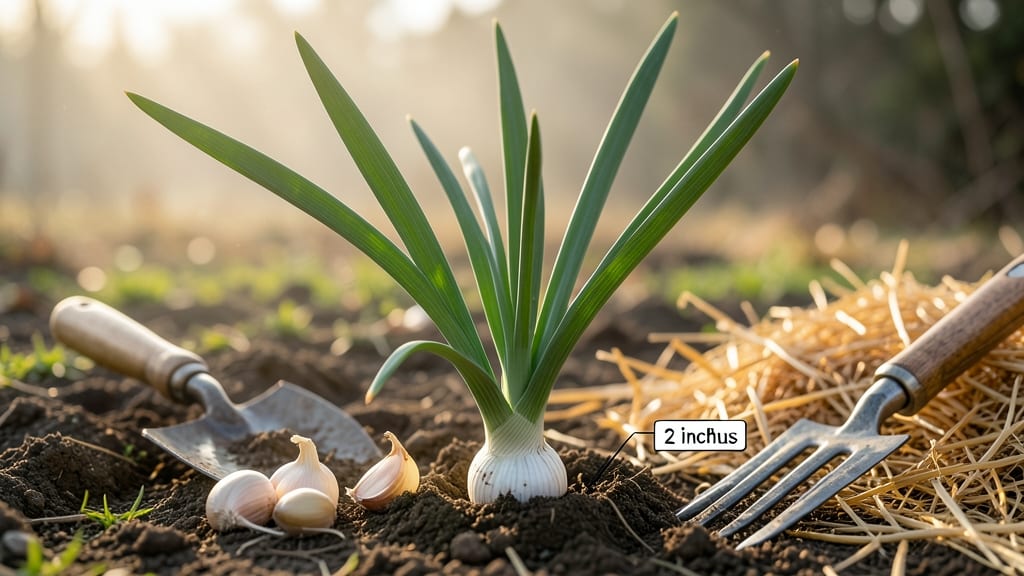
Planting garlic in Zone 5a at the wrong time can mean the difference between a thriving crop and a disappointing harvest—yet many gardeners still struggle with the timing.
The key isn't just about picking a month; it's about understanding how cold exposure and soil conditions work together to give you 🧄 bulbs that are plump and flavorful.
If you've ever planted garlic too early or too late, you know how frustrating it can be when the cloves rot in the ground or fail to develop properly. Zone 5a's climate demands precision, but once you get it right, you're rewarded with a harvest that's worth the effort.
I'll walk you through the exact window for planting and why it matters so much.
The ideal time to plant garlic in Zone 5a is between October and November, when the soil is cool but not yet frozen. This timing ensures your garlic gets the cold exposure it needs to form strong bulbs, while also avoiding the risks of late planting.
Let's break down the science and practical steps to guarantee your garlic thrives.
You'll also discover the best cold-hardy varieties for Zone 5a, how to prepare your soil, and common mistakes to avoid. By the end, you'll have everything you need to plant garlic with confidence and enjoy a bountiful harvest the following summer.

Best planting months for garlic in Zone 5a (with exact dates)
Garlic thrives in Zone 5a when planted during the fall, specifically between October 15 and November 15. This timing ensures cloves receive the 4-6 weeks of cold exposure they need before winter dormancy. The first hard frost (usually mid-October) signals the perfect window to start planting.
For hardneck varieties, aim for October 15-30—they require early cold exposure to form bulbs. Softneck varieties can tolerate slightly later planting (up to November 15) but may yield smaller bulbs if planted too late. Adjust based on your last average frost date (typically mid-November in Zone 5a).
| Variety Type | Ideal Planting Window | Cold Exposure Needed | Key Notes |
|---|---|---|---|
| Hardneck (e.g., Rocambole, German White) | October 15–30 | 6+ weeks below 40°F | Best for cold climates; scapes harvest in summer. |
| Softneck (e.g., Artichoke, Silverskin) | October 20–November 15 | 4–6 weeks below 40°F | Stores longer; tolerates slightly later planting. |
| Both Types | Avoid planting after November 15 | N/A | Risk of poor bulb formation or winter kill. |
Zone 5a’s variable frost dates can disrupt planting. If your area experiences an early frost before October 15, plant hardneck varieties as soon as soil is workable (around September 20). Use row covers to protect young shoots if frost threatens after planting.
Soil temperature plays a critical role—garlic cloves need 40–50°F soil to sprout. In Zone 5a, this typically aligns with mid-October. Test soil temperature with a soil thermometer to confirm readiness. If soil is too warm, delay planting until temperatures drop.
Adjust your schedule if you experience unseasonably warm falls. For example, if October stays above 60°F, wait until November 1 to plant. Conversely, if frost arrives earlier than expected, prioritize hardneck varieties and plant by October 1 for best results.
Mulch heavily after planting with 4–6 inches of straw or leaves to insulate cloves during winter. This protects them from freeze-thaw cycles and maintains consistent soil temperatures. Remove mulch in early spring (March) to allow shoots to emerge.
Overwintering garlic requires consistent moisture but minimal watering. Water deeply once after planting (if soil isn’t frozen) and avoid wet conditions during winter. Excess moisture can rot cloves. In dry winters, add 2–3 inches of mulch to retain moisture.
Harvest timing depends on planting date—garlic planted in late October will mature 2–3 weeks earlier than cloves planted in mid-November. Monitor foliage: harvest when 50% of lower leaves turn brown (typically July 15–August 15 in Zone 5a).
For reliable results, keep a planting journal noting your exact dates, variety, and weather conditions. This helps you refine your schedule year after year. In Zone 5a, consistency in cold exposure and soil prep is more important than precise calendar dates.
🌱
Cold-hardy garlic varieties that thrive in Zone 5a winters
Zone 5a winters can be brutal for garlic, but the right varieties will survive—and even thrive—with proper care. I’ve grown these top 5 cold-hardy varieties for years, and they consistently deliver large bulbs and bold flavors despite our harsh climate.
The key? Choosing hardneck garlic, which stores energy in the scape (flower stalk) for better winter survival.
These varieties aren’t just tough—they’re high-yielding and resistant to common diseases like rust and white rot. Whether you prioritize mild, spicy, or storage-friendly garlic, there’s a perfect match for your garden. Let’s dive into the best performers and their ideal harvest times.
German White tops my list for Zone 5a reliability. This hardneck variety handles our -10°F winters with ease and produces large, mild bulbs perfect for roasting. Plant cloves in late October (4-6 weeks before freeze) and harvest in mid-July when lower leaves brown. It’s also rust-resistant, a huge plus in humid summers.
For spicy, bold flavor, try Music garlic—a hardneck favorite with purple-streaked bulbs and high yield. It thrives in Zone 5a’s short growing season and matures by late July.
Space cloves 6 inches apart in well-draining soil, and mulch heavily after planting to protect roots. This variety also stores well for 6+ months.
Chesnok Red is my go-to for storage longevity (up to 8 months!) and disease resistance. The red-streaked bulbs have a medium heat and grow beautifully in Zone 5a’s cool climate. Harvest in early August when the lower leaves yellow. Its tight bulb formation makes it ideal for braiding and long-term storage.
If you love garlic scapes, Silverskin is a softneck option that surprises with its cold hardiness. While not as tough as hardnecks, it tolerates Zone 5a winters when planted in early November and harvested in late July.
The mild, buttery flavor makes it great for cooking, and it’s less prone to bolting in heat.
For experimental growers, Turkish Red garlic delivers bold, complex flavors and vibrant purple hues. It’s hardneck with excellent cold tolerance, but requires well-draining soil to prevent rot.
Harvest in mid-August when the bulb skins turn papery. Cure bulbs in a dry, shady spot for 2-3 weeks to maximize storage life.
Pro tip: Rotate varieties yearly to prevent disease buildup in your soil. Always harvest garlic when 60% of leaves have browned—this ensures maximum bulb size without sacrificing next year’s crop. With these cold-hardy varieties, you’ll enjoy homegrown garlic even in Zone 5a’s toughest winters! 🧄