
Plants
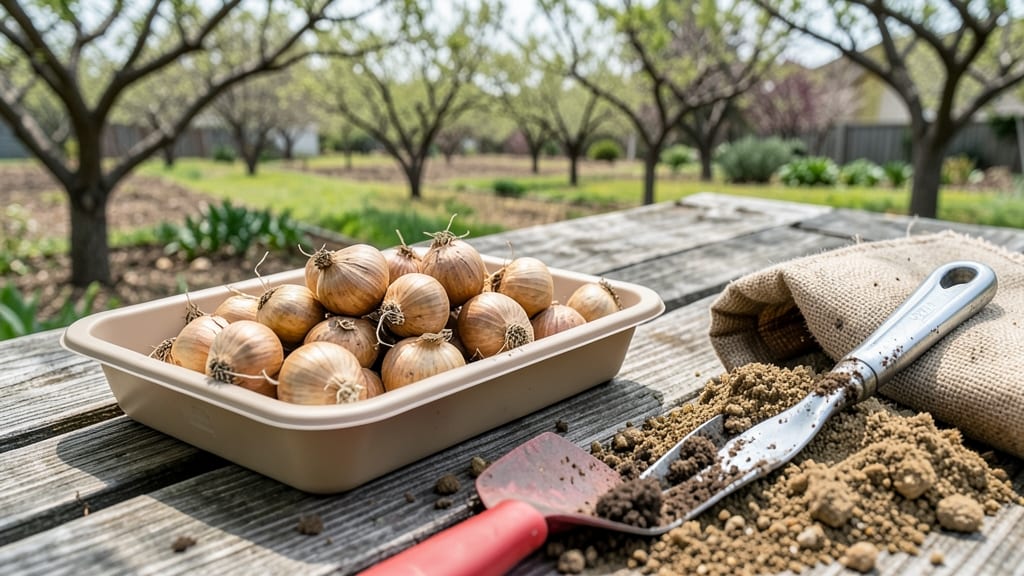
Planting gladiolus bulbs at the wrong time in California can mean the difference between stunning summer blooms and wasted effort. With coastal areas staying frost-free year-round and inland zones facing occasional chills, timing is everything for these tall, dramatic 🌸 flowers.
If you’ve ever watched your gladiolus struggle—or worse, rot in the ground—you know how critical the right window is. Inland gardeners in Zone 9 should start by late February, while coastal growers in Zone 10 can wait until March or April without risking frost damage.
But here’s the catch: even in frost-free areas, soil temperature matters. Plant too early, and your bulbs may rot; too late, and you’ll miss peak bloom season. I’ll break down the exact deadlines by region, plus soil prep tips to ensure your gladiolus thrive from June through September.
Ready to grow bold, healthy blooms without the guesswork? Let’s get your planting schedule locked in—once and for all.
California gladiolus planting deadlines by region (frost-free zones)
California’s microclimates create dramatic differences in gladiolus planting windows. Coastal areas stay frost-free year-round, while inland valleys face late-winter frosts that can damage tender bulbs. To maximize your summer blooms, time your plantings based on your USDA Zone and soil temperature trends.
Northern California’s Zone 9 regions typically see their last frost by late January, while Southern California’s Zone 10 coastal areas have no frost risk at all.
Gladiolus bulbs thrive when soil temperatures reach 60°F (15°C) consistently. Inland areas often hit this mark by mid-February, while coastal regions may wait until March. Planting too early in cold soil can lead to rotten bulbs or stunted growth.
Conversely, delaying past April risks missing peak bloom seasons. Let’s break down the optimal planting windows for California’s three main regions—Northern, Central, and Southern—plus coastal vs. inland variations.
Pro Tip: Use a soil thermometer to confirm temperatures before planting. Aim for 60-70°F (15-21°C) at 6-inch depth, where bulbs will settle. Coastal areas may need to wait until late March due to cooler, foggy conditions, while inland valleys can start as early as February in sheltered microclimates. Your local weather station is your best friend for frost alerts—set up notifications for 32°F (0°C) warnings.
In Northern California, where Zone 9 dominates, your planting window opens in mid-February for inland areas like Sacramento or Redding. However, if you’re in the coastal foothills (e.g., Santa Rosa), delay until March 15 to avoid chilly soils.
The key is watching for consistent 60°F (15°C) at 6-inch depth. Use a soil thermometer for accuracy—gladiolus bulbs rot if planted in cold, soggy soil
How to adjust planting time for early vs. late blooming gladiolus varieties
Staggering your gladiolus plantings is the secret to a nonstop summer color show. By choosing early and late-blooming varieties and adjusting timing, you can extend your blooms from June through September. The key? Understanding each variety’s heat tolerance and day-length requirements—especially critical in California’s varied climates.
In Southern California (Zone 10), where summers are long and hot, focus on heat-tolerant varieties like 'Green Garter' or 'Picasso' for late-season plantings. Meanwhile, in Northern California (Zone 9), cooler springs favor early-blooming types such as 'White Friendship' or 'Black Star' for June color.
Let’s break down the best strategies for each region.
- Southern CA (Zone 10): Plant late varieties in April-May for August-September blooms (e.g., 'Red Beauty').
- Central CA (Zone 9): Stagger plantings: March for June blooms, May for August color.
- Northern CA (Zone 8): Focus on early varieties in February-March to avoid late-spring frosts.
- Color sequencing: Plant cool tones (whites/pinks) first, then warm tones (reds/oranges) for a gradual bloom transition.
- Heat-tolerant picks: 'Green Garter', 'Picasso', 'Black Star'—these thrive in 90°F+ heat.
For color sequencing, start with early-blooming whites and pinks (like 'White Friendship') in March, followed by purples and reds (like 'Red Beauty') in April-May. This creates a smooth progression from soft pastels to bold hues.
In Southern California, where summers drag on, late plantings of 'Picasso' or 'Green Garter' will reward you with September-October blooms when other flowers fade.
Pro tip: Use shade cloth in inland areas during peak summer heat to protect newly planted bulbs from heat stress. Water deeply after planting and maintain 1-2 inches of mulch to retain moisture.
In cooler coastal regions, you can even squeeze in a second planting in late May for fall color.
Don’t forget: Gladiolus bulbs are perennial in Zone 10 but may need annual replanting in cooler zones. If you’re in Northern California, dig up bulbs after first frost and store them in a cool, dry place until next spring.
This trick lets you rotate varieties yearly for endless color combinations.
With these strategies, your garden will burst with gladiolus blooms from June through October, giving you a longer-than-ever display of drama and height. Just remember: timing is everything—and California’s microclimates make it easier than ever to customize your bloom schedule! 🌸