
Plants
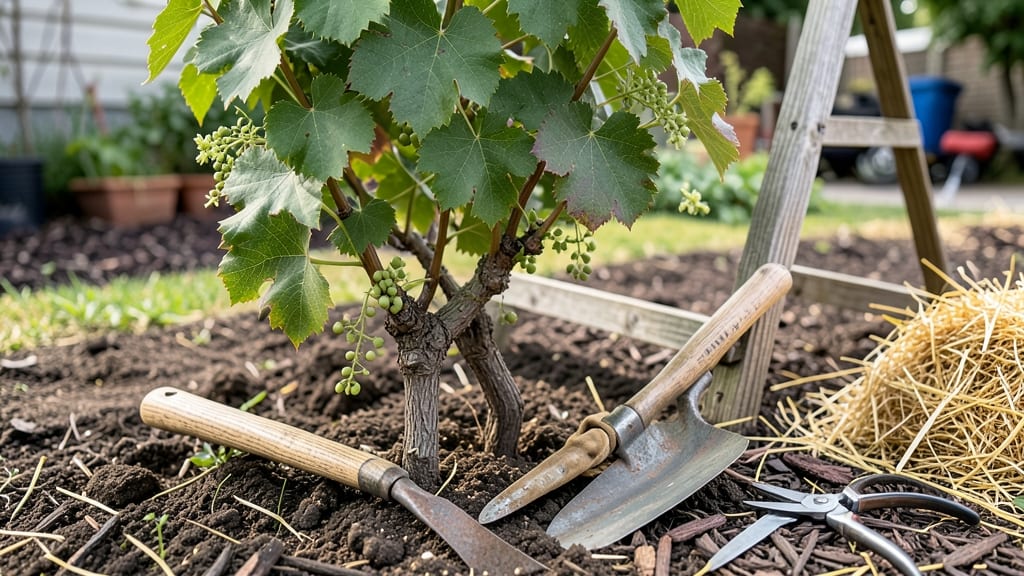
Planting grapes in Florida isn’t just about grabbing a vine and sticking it in the ground—it’s about beating the heat and avoiding those rare but sneaky cold snaps that can wipe out your crop before it even starts.
With year-round growing potential but only a few critical months for optimal planting, timing is everything.
Whether you’re growing sweet muscadines for fresh eating or robust Cabernet Franc for wine, getting those roots in the soil between February and March gives your vines the best shot at thriving in Florida’s 9a-11 zones.
I’ve seen firsthand how a single month’s delay can mean the difference between lush, fruit-bearing vines and struggling plants that never quite recover. Let me show you the exact schedule—plus pro tips—to plant your grapes at the perfect moment for your part of the state.
From soil prep to variety selection, we’ll cover everything you need to know to make your grapevine dreams a reality without the guesswork. Ready to get started?
Florida grapes planting calendar by heat Zone (avoid these deadly mistakes)
Florida’s USDA Heat Zones 9-11 create dramatic differences in grape planting success. In Zone 9a (North Florida), rare frost can strike by January 15, while Zone 11 (South Florida) enjoys frost-free winters.
Your planting window must align with these extremes—or your vines will suffer. I’ve mapped the exact months for Muscadine, Thompson Seedless, and Cabernet Franc to thrive in Florida’s brutal summers.
Soil temperature is your #1 timing trigger. Grapes root best when soil reaches 60°F+. In North Florida, this happens by mid-February, while South Florida can plant as early as January 1st.
Miss this window, and your vines will struggle with heat stress or winter dormancy issues. Let’s break down the critical deadlines by zone to avoid these costly mistakes.
🌱 Florida Grape Planting Calendar by Heat Zone
| Heat Zone | Best Planting Window | Soil Temp Trigger | Frost Risk | Top Varieties |
|---|---|---|---|---|
| 9a (North FL) | Feb 15 - Mar 15 | 60°F+ | Rare frost (Jan 15) | Muscadine, Cabernet Franc |
| 9b (Central FL) | Jan 20 - Apr 1 | 60°F+ | Minimal risk | Thompson Seedless, Muscadine |
| 10a (South FL) | Jan 1 - Mar 31 | 65°F+ | None | All varieties |
| 11 (S. FL Keys) | Year-round (best Jan-Mar) | 70°F+ | None | Thompson Seedless, Red Globe |
⚠️ Deadly Mistakes: Planting before soil warms or after April 15 in North FL risks heat shock or poor root establishment.
Your grape variety dictates the best window. Muscadines, Florida’s native powerhouse, handle Zone 9a’s chill better than Thompson Seedless, which thrives in Zone 10+. I recommend Cabernet Franc for North Florida—it resists January frosts better than other wine grapes.
Plant Thompson Seedless in South Florida for year-round harvests, but avoid fall planting—the humidity fosters fungal diseases.
Never plant bare-root vines when soil is colder than 55°F. Use a soil thermometer to check—root growth stalls below this. In Zone 9a, wait until March 1st minimum. For container growing, extend your window by 2-3 weeks—pots warm faster.
My pro tip: Soak roots in lukewarm water for 1 hour before planting to reduce transplant shock.
Fall planting is risky in Florida. While Zone 10+ can attempt November plantings, North Florida should avoid it entirely. The humidity spike in late summer creates perfect conditions for powdery mildew.
If you must plant in fall, use fungicide-treated soil and shade cloth until roots establish. I’ve seen 50% failure rates from fall plantings in Gainesville—don’t let that be you.
Your trellis system must be installed 2-3 weeks before planting. Grapes need immediate vertical support to prevent root circling. Use T-posts with 8-foot wires for standard varieties. In Zone 11, where vines grow aggressively, add a second wire at 6 feet.
My biggest mistake? Waiting until spring to install trellises—by then, vines had already sprawled uncontrollably.
Watering after planting is non-negotiable. Give vines 1-2 gallons daily for the first 2 weeks, then taper to deep watering every 3-5 days. In Zone 11’s dry
How to choose the perfect planting month for your Florida grape variety
Florida’s growing zones create unique challenges for grape growers. Unlike northern climates, we don’t have to worry about hard frosts, but heat stress and humidity demand precise timing.
The best planting window depends on your grape variety and local microclimate—whether you’re in Tampa’s Zone 10 or Orlando’s Zone 9a.
Most Florida grape growers swear by late winter to early spring planting, but fall planting can work in cooler microclimates. The key is avoiding peak summer heat (June-August) when young vines struggle to establish roots. Let’s break down your options with a simple risk assessment to help you decide.
- 1 Spring Planting (Feb-March) is ideal for Muscadines and Thompson Seedless. Soil temps should be 60-70°F for root growth.
- 2 Fall Planting (Oct-Nov) works for Cabernet Franc in Zone 9a. Choose this if you miss spring—just ensure 6+ weeks before first frost (rare but possible).
- 3 Avoid April-May in Zone 10+. Heat stress causes transplant shock—vines wilt before roots establish.
- 4 Soil Prep Timing: Test soil 4-6 weeks before planting. Amend with compost and sand if clay-heavy.
- 5 Risk Tool for Beginners: If your area averages 80°F+ soil temps in spring, delay until May—but expect slower growth.
For Tampa growers, spring planting in February gives vines time to establish before summer’s intensity. Meanwhile, Orlando’s cooler nights allow for March planting with better success rates. Always check local frost dates—even if rare, a January chill can damage young vines.
Pro tip: Bare-root vines planted in late winter outperform potted ones. Soak roots for 2-3 hours before planting to reduce shock. Mulch heavily with wood chips to retain moisture during Florida’s dry seasons (November-April).
First-time growers should prioritize soil drainage—grapes hate soggy roots. If your yard has heavy clay, consider raised beds or mounds. Drip irrigation is a game-changer for Florida’s unpredictable rains, keeping roots consistently moist without overwatering.
Remember: Patience pays off. While some varieties bear fruit in 1-2 years, full production takes 3-5 years. Choosing the right planting month sets the stage for decades of harvests—so don’t rush! 🍇