
Plants
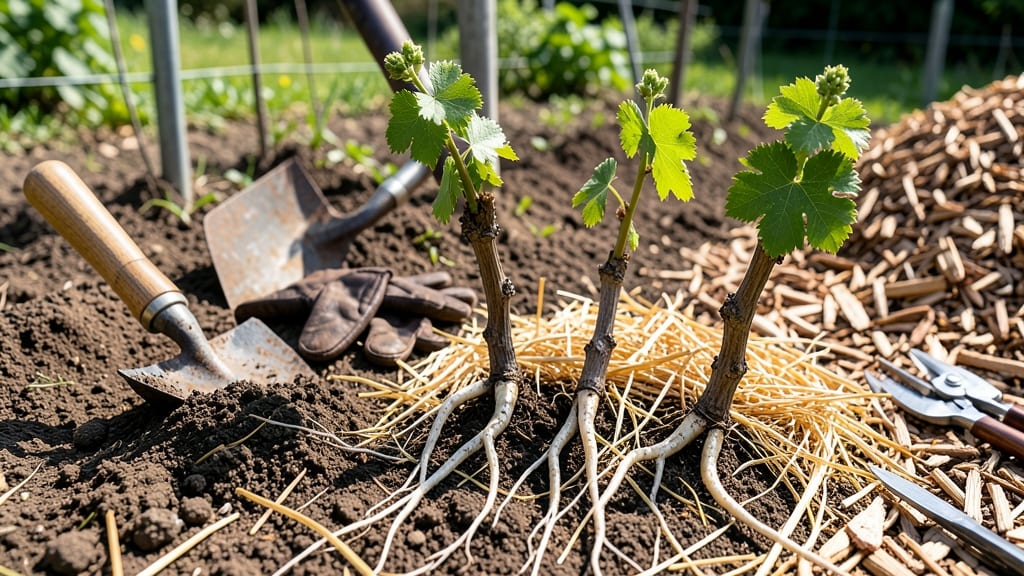
Planting grapes in Illinois at the wrong time can turn your dream vineyard into a frost-killed disappointment—especially when late springs or early freezes catch hardy varieties like 🍇 Concord off guard.
Timing matters because Illinois’ USDA zones 5b-6b swing between unpredictable frost dates and scorching summers, making the difference between a thriving vine and a sad, wilted plant.
Whether you’re in northern Illinois where frost lingers or southern regions where heat arrives early, getting the schedule right is the key to success.
I’ll break down the exact planting windows—late April to early June for most gardeners—but also show you how to adjust for your specific microclimate.
You’ll learn when to plant bare-root vines, how to protect young shoots from late frosts, and which grape varieties thrive best in Illinois’ short growing season.
By the end, you’ll know exactly when to dig in your shovel, how to prep your soil, and even which companion plants to pair with your grapes for a more efficient harvest. Let’s get those vines growing strong!
Illinois grape planting calendar by region: northern vs southern frost zones
Timing your grape planting in Illinois hinges on understanding the state's divided frost zones. Northern Illinois (USDA Zones 4-5) faces earlier springs and later frosts compared to southern Illinois (Zones 5b-6b).
Planting too early in the north risks frost damage, while southern regions can start earlier—but not too early. The difference between these zones can be 3-4 weeks in planting windows, making regional planning essential.
For bare-root vines, the golden rule is to plant after the last average frost date and when soil temperatures reach 60°F. In northern Illinois, this typically means mid-to-late April, while southern regions can start as early as early April.
Potted vines offer more flexibility and can be planted 2-3 weeks earlier in spring or even in fall (before October 15), provided they're well-mulched.
Here’s how Illinois’ two regions break down for grape planting:
Popular varieties like Cabernet Franc and Traminette thrive in southern Illinois’ longer growing seasons, while Concord and Niagara are staple choices for northern regions due to their cold hardiness.
For example, Frontenac grapes can survive down to -25°F, making them ideal for Zone 4 areas like Chicago’s suburbs or Dubuque.
Dormancy timing is another critical factor. In northern Illinois, grapevines enter dormancy by mid-October, while southern vines may stay active until late October. This affects when you can safely plant fall potted vines—always aim to give roots 4-6 weeks to establish before winter.
Use mulch (straw or wood chips) to insulate roots and protect against winter temperature swings.
Local frost risk maps from the Midwestern Regional Climate Center can help fine-tune your planting schedule. For instance, Rock Island (Zone 5b) has a 10-day earlier last frost date than DeKalb (Zone 4b). Always check 3-year averages rather than single-year data to account for unpredictable weather patterns.
Pro tip: If you’re in a transition zone (like Peoria or Springfield), err on the side of caution. Plant bare-root vines in late April and use row covers for the first two weeks to shield new shoots from late spring frosts.
For potted vines, harden them off for 10-14 days before transplanting to reduce shock.
Remember, soil temperature matters more than air temperature. Use a soil thermometer to confirm readiness—60°F at 4 inches deep is the magic number for root growth. In cooler northern zones, consider black plastic mulch to warm the soil 2-3 weeks earlier than bare ground.
By aligning your planting with these regional guidelines, you’ll give your grapevines the best shot at strong root establishment and a bountiful harvest. Start with the right timing, and your vines will reward you with juicy fruit or fine wine for years to come. 🍇
How to adjust planting timing for Illinois’ unpredictable spring weather
Illinois’ spring weather can be as unpredictable as a chameleon’s colors—one day warm enough to plant, the next with a surprise frost that could kill tender grape shoots. The key to success is flexibility: knowing how to read your microclimate and adjust your planting schedule accordingly.
Even Concord grapes, one of the hardiest varieties, need the right timing to establish roots before summer heat arrives.
Most Illinois gardeners aim to plant grapes between late April and early June, but this window shifts based on your location. Northern Illinois (USDA zones 5a-5b) often waits until mid-May, while southern regions (zones 6a-6b) can start as early as late April.
The trick is monitoring soil temperature, not just air temperature—grapes need soil that’s warmed to at least 60°F (15°C) for roots to thrive.
5 signs your soil is ready for planting (beyond temperature)
Soil should be crumbly when squeezed, not sticky; worms should be active; and moisture should drain within 6 hours. Use a soil thermometer to confirm 60°F+ at 4-inch depth.
3 frost protection methods ranked by effectiveness
- Row covers (best for young shoots, remove when temps rise above 70°F).
- Mulch (4-6 inches of straw or wood chips to insulate roots).
- Candle warmers (place near vines on cold nights).
How to calculate your local last-frost date
Check NOAA’s frost probability maps or use the 3-4-5 rule: Average last frost date + 3 days (safety buffer) = your planting deadline. For example, if your average last frost is April 20, plant by April 25.
When to plant potted vs. bare-root vines in Illinois
Potted vines can handle fall planting (September-October) since they’re less stressed. Bare-root vines must go in early spring (March-April) before buds swell. Never plant bare-root vines in hot weather—roots dry out quickly.
Critical temperature thresholds for grapevine root establishment
Roots need soil temps above 60°F (15°C) to grow. If temps drop below 50°F (10°C), roots go dormant. Use black plastic mulch or soil warming cables in cool springs to speed up warming.
If you’re planting in northern Illinois, where frosts can linger into May, consider using soil warming techniques like black plastic mulch or even a DIY "greenhouse" made from clear plastic bottles. These methods can raise soil temperatures by 5-10°F, giving your grapes a head start.
I’ve seen gardeners in Chicago’s suburbs use row covers until mid-May to protect young shoots—it’s a game-changer for late springs.
For southern Illinois, where heat arrives early, focus on shade cloth during the hottest part of summer to prevent sunburn on grapes. Varieties like Traminette or Frontenac handle heat better than European varieties like Cabernet Franc, so choose wisely.
Always monitor your local microclimate: a hilltop or south-facing slope warms faster than a low-lying area.
Pro tip: Keep a garden journal to track your local frost dates and soil temps over the years. I’ve adjusted my planting schedule by 10 days after just two years of recording data—now I plant Niagara grapes by May 1st instead of April 20th, and they thrive every time.
The more you know your land, the better you’ll time those vines.
Remember, potted grapes are more flexible than bare-root vines. If your spring is late, hold off planting until soil warms up—potted plants can wait weeks longer without stress. And if frost threatens after planting, don’t panic: row covers and circling vines with burl