
Plants
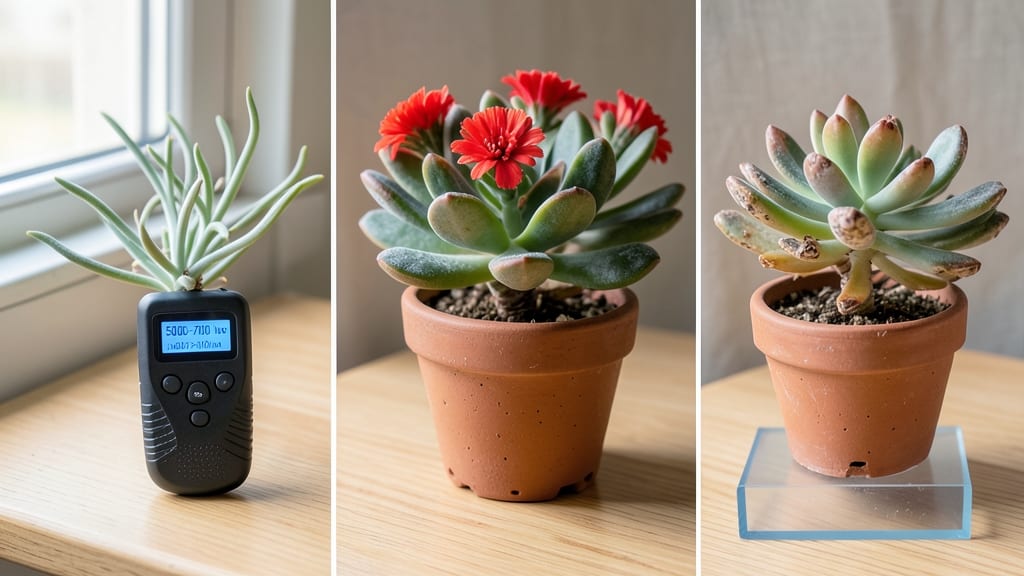
To keep your kalanchoe 🌸 thriving, you might be surprised by how little light it actually needs—just 3 to 4 hours of bright indirect sunlight can make all the difference between a healthy plant and one that struggles to survive.
Most people assume these succulents need constant sun, but too much direct light can scorch the leaves, while too little leaves them stretching and weak. The key is finding that sweet spot where your kalanchoe gets enough energy to bloom beautifully without getting stressed.
Whether you're growing yours indoors by a sunny window or outdoors in USDA Zone 6a, I’ll show you exactly how to adjust light exposure for peak growth—no guesswork required.
Let’s dive into the simple tricks that’ll keep your kalanchoe happy, vibrant, and ready to flower year-round.
 Best Window Placement
Optimal light requirements for kalanchoe growth and blooming
Kalanchoe plants are stunning succulents known for their vibrant blooms and easy-care nature, but their light requirements are the key to unlocking their full potential. Unlike many succulents that thrive in scorching sun, kalanchoes prefer bright indirect sunlight for about 3-4 hours daily.
This balance ensures healthy foliage and spectacular flower spikes, while too much direct sun can scorch their leaves, and too little light leads to weak, leggy growth.
Understanding how light affects kalanchoe photosynthesis is crucial. These plants have a unique adaptation called crassulacean acid metabolism (CAM), which allows them to store CO₂ during the day and process it at night.
This means they need moderate light intensity—not the harsh midday sun—to function efficiently. The right light exposure also triggers their blooming cycles, often producing flowers in winter when days are shorter.
For indoor kalanchoes, position your plant near an east or west-facing window where it can receive gentle morning or late afternoon sunlight. If your home lacks natural light, consider supplementing with a grow light (more on this in our next section).
The key is consistency—kalanchoes dislike sudden changes in light exposure, which can cause stress and leaf drop.
In outdoor settings, kalanchoes can handle partial shade, especially in hot climates where afternoon sun is intense. However, they still need bright indirect light to maintain their compact shape and vibrant colors.
If you're growing kalanchoes in a greenhouse or conservatory, ensure they're placed where they receive diffused sunlight rather than harsh, concentrated rays.
Seasonal adjustments are critical for kalanchoe care. During summer months, reduce direct sunlight exposure to 1-2 hours daily to prevent leaf scorch. In contrast, winter light is often insufficient indoors, so move your plant closer to a window or use artificial lighting to maintain its health.
This seasonal tweaking mimics their natural habitat and encourages robust growth.
The relationship between light and kalanchoe blooming is fascinating. These plants are short-day plants, meaning they bloom in response to shorter daylight periods. To trigger flowering, provide your kalanchoe with 12-14 hours of darkness per day for 4-6 weeks in fall.
This can be achieved by covering the plant or moving it to a darker location after sunset. Once blooms appear, maintain their light routine to prolong the display.
If you notice your kalanchoe's leaves turning pale or stretching, it's a clear sign of insufficient light. Conversely, yellowing or crispy edges indicate too much direct sun. By monitoring these visual cues and adjusting light exposure accordingly, you'll keep your kalanchoe thriving year-round.
Remember, the goal is balanced light—enough to fuel growth but not so much that it causes stress.
For those living in low-light environments, don't despair! With the right artificial lighting setup, you can still grow a healthy kalanchoe. LED grow lights with a color temperature of 5000-6500K mimic natural sunlight and are perfect for supplementing indoor light.
Place the light 6-12 inches above the plant and provide 12-14 hours of light daily to mimic natural conditions.
In summary, kalanchoes are adaptable but particular about their light needs. By providing 3-4 hours of bright indirect sunlight, making seasonal adjustments, and understanding their unique blooming triggers, you'll cultivate a kalanchoe that's not only alive but bursting with vibrant blooms.
With these light requirements mastered, your kalanchoe will reward you with years of stunning color and easy-care beauty. 🌸
Signs your kalanchoe isn’t getting enough (or too much) light
Your kalanchoe plant might be silently screaming for help if its leaves start showing unusual color shifts. When deprived of adequate bright indirect sunlight, the leaves often develop pale yellow or white patches, signaling chlorosis—a classic sign of insufficient light.
Even worse, the plant may stretch dramatically toward light sources, a condition called etiolation, where stems grow leggy and weak.
On the flip side, too much direct afternoon sun can cause red or purple tinges on leaves, especially in varieties like Kalanchoe blossfeldiana. This isn’t just cosmetic—it’s your plant’s way of saying, "I’m getting sunburned!"
Over time, these leaves may crisp or develop brown, papery edges, while the plant’s overall growth slows to a crawl.
If your kalanchoe’s leaves are turning deep red or purple, it’s often a survival mechanism to protect itself from excessive UV rays. This is most common in low-light conditions or when the plant is stressed.
However, if the discoloration appears suddenly after moving to a sunnier spot, it’s a clear warning sign of sunburn.
Here’s a quick troubleshooting tip: Place your kalanchoe near an east-facing window for gentle morning sun, then move it back 2-3 feet by noon. This mimics its natural bright indirect light needs while preventing midday intensity.
I’ve seen dramatic improvements in just 2-3 weeks when adjusting light exposure this way.
For indoor growers, consider supplementing with a 12-inch LED grow light (6500K color temperature) for 4-6 hours daily if natural light is insufficient. This mimics the bright indirect sunlight kalanchoes crave without risking overheating. Always monitor leaf color changes weekly to adjust as needed.
Remember, kalanchoes are resilient—they’ll bounce back if you catch these signs early! Start with small adjustments, and soon you’ll have a vibrant, blooming beauty that thrives on the perfect balance of light. 🌸