
Plants
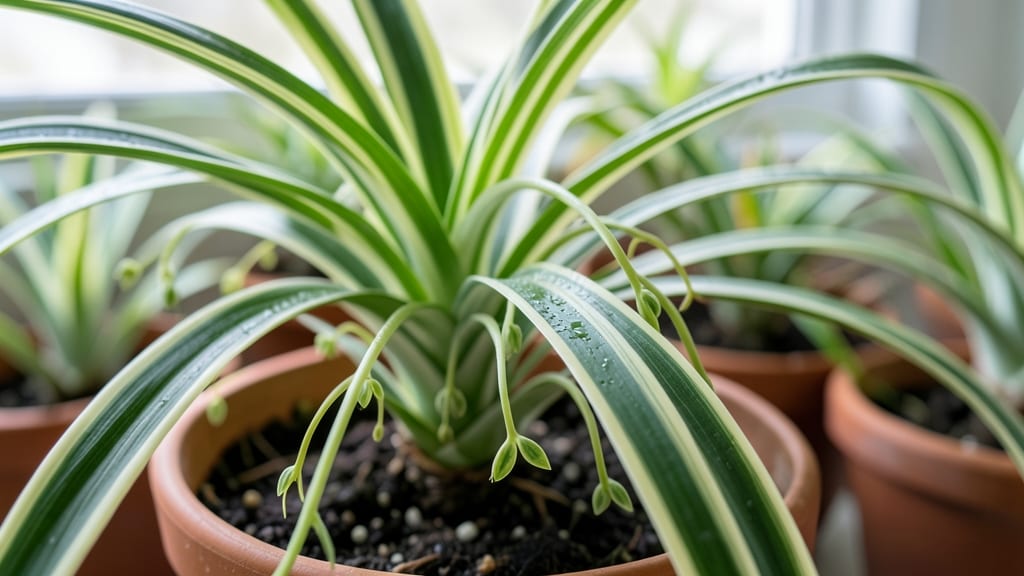
Ideal light requirements for spider plants: low to bright indirect light explained
Spider plants (Chlorophytum comosum) are masters of adaptability, thriving in low to bright indirect light conditions that most homes naturally provide. Unlike sun-worshipping succulents, they despise harsh sunlight but won’t thrive in complete darkness either.
The key lies in finding that sweet spot of filtered light—where they get enough energy to grow without risking leaf burn.
If you’ve ever watched your spider plant’s leaves develop brown tips or yellow patches, chances are your light conditions are off. These plants evolved in shady forest understories in South Africa, so they’re used to gentle, dappled sunlight.
Recreating this environment indoors is simpler than you might think—just avoid placing them in direct midday sun, which can scorch their delicate foliage.
Here’s the critical breakdown: spider plants need 4-6 hours of bright indirect light daily. This translates to positions near east or north-facing windows where sunlight is softest.
South-facing windows can work too, but only if your plant sits at least 6 feet away from the glass to diffuse the intensity.
🌱
Most homes naturally provide medium to bright indirect light in their kitchens or living rooms, making these ideal spots. If your spider plant is near a south-facing window, test its tolerance by placing it 3 feet back and observing for 2 weeks.
If the leaves develop white or brown spots, it’s getting too much direct sun.
For offices or rooms without natural light, grow lights are a game-changer. A simple LED grow bulb (6000-6500K color temperature) placed 12-18 inches above your plant for 12-14 hours daily mimics ideal conditions.
I’ve successfully kept spider plants thriving under fluorescent shop lights in my dimly lit basement by positioning them just 6 inches away.
Pro tip: Rotate your spider plant quarter-turn weekly to ensure even light exposure. This prevents one-sided growth and helps the plant develop uniformly. I notice my plants grow fuller when I follow this simple habit—it takes less than a minute but makes a visible difference in 4-6 weeks.
🪴
If you’re still unsure about your home’s light levels, try this shadow test: Place a white piece of paper near your plant’s spot for an hour during peak sunlight. If the shadow is sharp and dark, it’s direct sun.
If it’s soft and fuzzy, you’ve found the perfect indirect light zone. Spider plants will reward you with long, arching leaves and frequent "pups" (baby plants) when they’re happy.
Remember, even the hardiest plants need adjustment time when moving to new light conditions. If you’ve recently repotted or relocated your spider plant, give it 2-3 weeks to acclimate before expecting dramatic growth changes.
Patience pays off—my first spider plant took 3 months to bounce back after a sunburn, but now it’s a lush, thriving centerpiece.
Signs your spider plant isn’t getting the right light (and how to fix it)
Your spider plant might be silently begging for help—its leaves are telling you exactly what’s wrong with its light exposure. Unlike sun-worshippers, these plants thrive in bright indirect light, but too little or too much can turn them into a sad, crispy mess.
I’ve seen yellowing leaves and brown tips that scream, "Move me!" before the plant even looks stressed.
Start by checking your plant’s growth patterns. If new leaves are long and thin with sparse spiderettes, it’s stretching toward light like a sleepy cat reaching for the sun.
Meanwhile, dark brown patches or scorched edges mean it’s getting too much direct sunlight. These signs aren’t just annoying—they’re your plant’s way of saying, "I need you to adjust my spot!"
Spider plants thrive in bright indirect light (like an east-facing window) but can suffer in direct sunlight or dim corners. Here’s the breakdown:
- Too little light: Leggy growth, pale leaves, slow growth
- Too much light: Brown tips, crispy edges, sunburn
- Perfect light: 4-6 hours of bright, filtered light daily
Pro tip: Rotate your plant every 2-3 weeks for even growth!
If your spider plant’s leaves are turning yellow, especially at the base, it’s often a sign of overwatering—but low light can trigger it too. In dim conditions, older leaves yellow first as the plant redirects energy to survive.
The fix? Move it closer to a window (but not in direct sun) and trim the yellowed leaves with clean scissors to encourage new growth.
For brown tips, blame direct sunlight or dry air. Spider plants hate hot afternoon rays, which dry out leaf edges faster than a desert breeze. Try placing it 3-6 feet from a north or east window or use a sheer curtain to diffuse harsh light.
A quick humidity tray with pebbles and water can also help if your home is dry.
Slow growth? Your plant is conserving energy because it’s not getting enough light. Leggy stems with wide spacing between leaves mean it’s stretching toward any available light source. The solution? Introduce a grow light (like a 10W LED bulb) for 12-14 hours daily if natural light is lacking.
Even a bright bathroom or kitchen can work if you position it properly.
Remember, spider plants are forgiving but not indestructible. The key is observation—watch how your plant reacts to its spot. If you see new leaves perking up within a week of adjusting light, you’re on the right track.
And if all else fails, ask yourself: "Would I be comfortable here?" If the answer’s no, move the plant!