
Plants
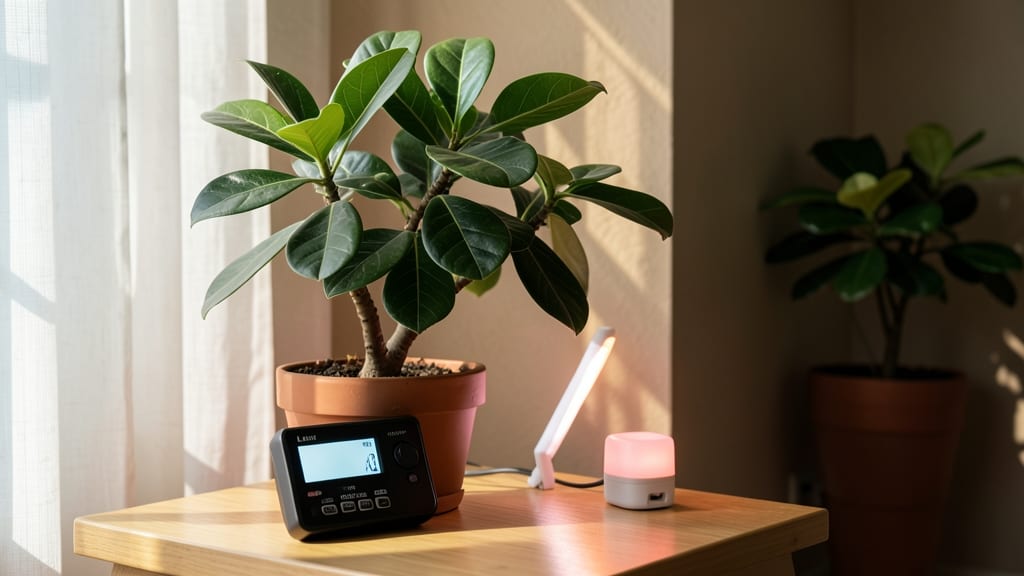
Wondering how much light your Umbrella Plant 🌿 truly needs to thrive? The answer isn’t as simple as "more is better"—this tropical favorite actually thrives in bright, indirect sunlight, but too much direct exposure can turn its leaves into crispy brown edges.
I’ve seen firsthand how a single window can make or break an Umbrella Plant’s health, and the key lies in understanding its light preferences.
If you’ve noticed your Umbrella Plant stretching toward the light or developing pale, weak leaves, it’s likely begging for a better spot. These plants are adaptable but prefer medium to bright indirect light, making east or west-facing windows ideal.
The trick is finding that sweet spot where your plant gets enough light to grow without risking sunburn—something I’ll help you master with practical tips tailored to your home’s lighting.
Let’s break down exactly how to assess your space, recognize the signs of over- or under-lighting, and even use artificial grow lights if natural light falls short. By the end, you’ll know exactly where to place your Umbrella Plant for lush, vibrant growth all year round—no guesswork required.
Whether you’re dealing with a sun-drenched room or a dim corner, I’ll show you how to give your Umbrella Plant the perfect light conditions it craves. Ready to transform your plant care routine? Let’s get started.
 Best Window Placement
Ideal light requirements for umbrella plants: bright indirect sunlight explained
Your umbrella plant (Schefflera actinophylla) thrives in bright indirect sunlight, mimicking its natural tropical habitat. Unlike sun-loving succulents, this plant burns easily when exposed to harsh rays. The key is finding that sweet spot where leaves stay vibrant green without turning yellow or crispy.
Most indoor spaces offer low to medium light, but umbrella plants need more than just any bright corner. Think of it like a morning coffee—just enough to energize without overdoing it.
East or west-facing windows provide the perfect balance, while south-facing windows can be too intense without proper filtering.
Here’s how your umbrella plant’s light needs break down:
Umbrella plants need 4-6 hours of bright indirect light daily to maintain their signature lush foliage. Place your plant 2-3 feet away from an east or west window to filter out the strongest rays.
If you notice leaves stretching toward the light, it’s a sign your plant is light-starved and needs a brighter spot.
Direct sunlight acts like a silent killer for umbrella plants. Within hours of exposure, leaves can develop brown scorch marks that spread rapidly. If your plant sits near a south-facing window, use a sheer curtain to diffuse the light.
Think of it as giving your plant a sunblock lotion—just enough coverage to prevent damage.
In low-light conditions, umbrella plants may slow growth and develop smaller leaves. While they can tolerate lower light levels, their vibrant green color fades to a duller shade. If your home lacks natural light, consider supplementing with a grow light for 6-8 hours daily to mimic sunlight.
Pro tip: Rotate your plant quarter-turns every 2 weeks to ensure even light exposure. This prevents leaves from leaning toward one side, keeping your umbrella plant symmetrical and healthy. Think of it like giving your plant a gentle sunbath on all sides!
Outdoor umbrella plants need partial shade during peak summer months. If you’re growing yours outside, place it under a dappled shade tree or on a patio with afternoon shade. The goal is to protect it from the intense midday sun while still allowing it to enjoy natural light.
Watch for these light-related clues to adjust your plant’s placement: yellowing leaves mean too much light, while pale, sparse leaves signal insufficient light. By tuning into these signals, you’ll create the perfect light sanctuary for your umbrella plant to thrive.
Remember, every home’s light conditions are unique. Experiment with different spots, observe your plant’s response, and adjust until you find that golden balance of bright indirect light. With the right lighting, your umbrella plant will reward you with glossy, vibrant leaves for years to come! 🌿
Signs your umbrella plant has too much or too little light (with fixes)
Your umbrella plant (Schefflera actinophylla) sends clear signals when its light conditions aren't quite right. Too much sun causes crispy brown leaf tips, while too little light leads to yellowing leaves and weak stems. These visual cues are your plant's way of asking for help—let's decode them together.
First, observe your plant's foliage color. Healthy leaves should be deep green with vibrant veins. If you notice pale or yellow leaves, it's a classic sign of low light exposure. This happens when your plant stretches toward light sources, creating leggy growth with sparse leaves.
On the flip side, crispy brown edges or bleached patches mean direct sun is burning those delicate tropical leaves.
| Symptom | Cause | Solution | Seasonal Adjustment |
|---|---|---|---|
| Yellowing leaves | Too little light | Move to bright indirect light (east/west window) | Winter: Use grow lights 6-8 hrs/day |
| Brown crispy tips | Too much direct sun | Relocate to filtered light (sheer curtain) | Summer: Move 3 ft from south window |
| Leggy growth | Stretching for light | Rotate plant quarter-turn weekly | Spring: Gradually increase light exposure |
| Dull, small leaves | Inconsistent light | Find consistent light spot (avoid drafts) | Fall: Reduce sun exposure gradually |
| Red/purple stems | Extreme light stress | Immediate light adjustment + humidity boost | Year-round: Use pebble trays for humidity |
For indoor plants, the best fix for low light is repositioning near an east-facing window where morning sun is gentle. If that's not possible, a grow light on a timer (12-14 hours/day) works wonders. I've had great success with LED grow bulbs—they're energy-efficient and mimic natural light perfectly.
When dealing with too much light, think about seasonal adjustments. In summer, your umbrella plant might need to move deeper into the room or behind a light sheer curtain.
I always test by placing my hand near the plant—if it feels warm after a few hours, it's getting too much direct sun. A simple spray bottle misting can also help reduce heat stress on hot days.
Don't forget about outdoor placement during warmer months. Your umbrella plant can thrive outside in partial shade (think dappled sunlight under trees). Just avoid the harsh afternoon sun between 12 PM and 4 PM.
I like to place mine on a covered patio where it gets morning sun and afternoon shade—this mimics its natural tropical habitat beautifully.
Remember, consistency is key. Sudden light changes can shock your plant, so make adjustments gradually over 1-2 weeks. With the right light balance, your umbrella plant will reward you with lush, glossy leaves and that satisfying tropical vibe you're after! 🌿