
How To
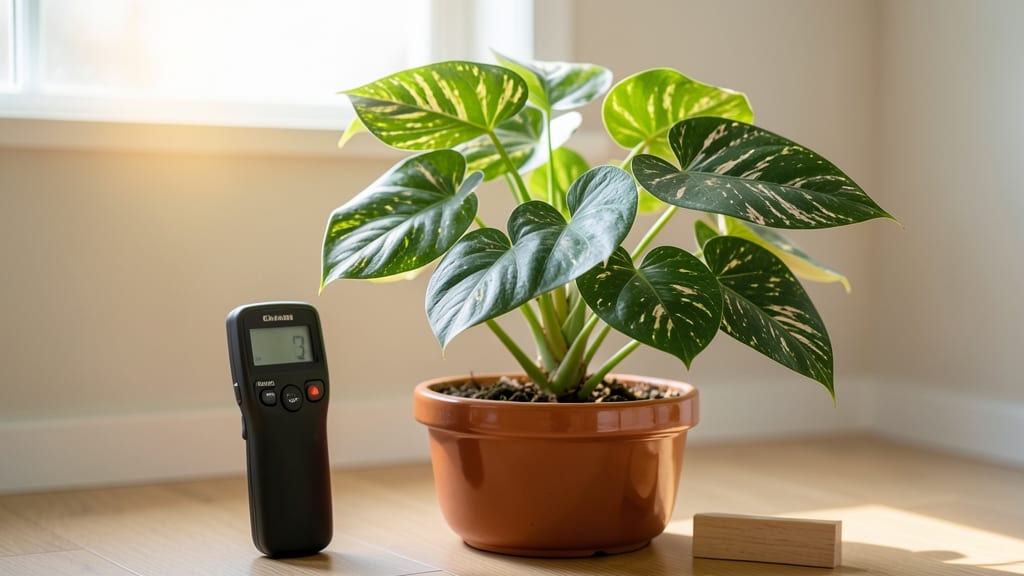
If the amount of light an arrowhead plant needs is making your plant struggle with yellow leaves or slow growth, you’re probably getting it wrong—and it’s easier to fix than you think.
This adaptable houseplant thrives in bright indirect sunlight, but too much direct exposure or dim corners can turn it into a sad, leggy shadow of its former self.
The key to keeping your Arrowhead Plant happy lies in understanding its light preferences. Unlike high-maintenance plants, it's surprisingly forgiving—just avoid harsh afternoon sun or deep shade.
I'll show you exactly how to spot the perfect spot in your home, whether you're dealing with a north-facing window or a fluorescent-lit office.
Don't worry if your current setup isn't ideal—we'll cover quick fixes like rotating your plant or supplementing with grow lights. You'll learn to recognize the subtle signs of light stress (like faded variegation or crispy edges) and how to adjust before it's too late.
By the end, you'll have a thriving Arrowhead Plant that's the star of your space. Let's get started with the simple steps to give your plant the light it craves—without the guesswork.
 Best Window Placement
Ideal light requirements for arrowhead plants: bright indirect sunlight explained
Your arrowhead plant (Syngonium podophyllum) thrives in bright indirect sunlight, but finding that perfect balance can feel tricky. Too little light causes leggy growth and pale leaves, while too much direct sun leads to leaf scorch and crispy edges.
Understanding the nuances of light intensity will help you create the ideal environment for this adaptable houseplant.
The key to happy arrowhead plants lies in mimicking their natural understory habitat. In the wild, they grow beneath taller trees where sunlight filters through leaves, creating a dappled light effect.
Recreating this in your home means positioning your plant near windows that offer soft, diffused light rather than harsh midday rays.
| Light Condition | Description | Ideal Placement | Plant Response |
|---|---|---|---|
| Low Light | North-facing windows or 10+ feet from south windows | East corner, bathroom with small window | Leggy growth, pale variegation, slow growth |
| Medium Light | 2-3 feet from east/west windows, 4+ feet from south windows | Bookshelf near window, kitchen counter | Healthy green leaves, moderate growth |
| Bright Indirect | 1-2 feet from east/west windows, 3 feet from south windows with sheer curtain | Desk under east window, coffee table near south window | Vibrant variegation, compact growth, rapid leaf development |
| Direct Sun | South/west windows without filter, afternoon sun exposure | Direct sunlight for >2 hours | Brown leaf tips, crispy edges, sunburn |
For east-facing windows, your arrowhead plant will receive gentle morning sunlight that's perfect for most of the day. This exposure provides 4-6 hours of ideal light without the intense afternoon heat. Place your plant 2-3 feet away from the window to achieve the right balance.
West-facing windows can be trickier because the afternoon sun becomes more intense. If you must use this exposure, position your plant at least 4 feet away and use a sheer curtain to diffuse the light. Morning sun is generally safer than afternoon sun for arrowhead plants.
South-facing windows offer the most light but also the highest risk of leaf scorch. Create a buffer by placing your plant 3-5 feet back from the window and using light-filtering curtains. Alternatively, rotate your plant quarter-turn weekly to ensure even light exposure on all sides.
During winter months, natural light becomes weaker, and your arrowhead plant may show signs of light deprivation. Move it to the brightest window in your home and consider supplementing with a grow light for 12-14 hours daily. Look for full-spectrum LED bulbs rated at 5000-6500K color temperature.
Watch for visual cues that indicate your plant's light needs. Pale leaves or reduced variegation signal insufficient light, while brown patches or yellowing suggest too much direct exposure. Adjust your plant's position gradually—sudden changes can cause stress.
If you notice your arrowhead plant developing long, spindly stems with small leaves, it's stretching toward light. This etiolation occurs when the plant isn't getting enough light. Move it to a brighter spot immediately, but avoid sudden exposure to strong light that could cause shock.
Remember that arrowhead plants are highly adaptable, but they perform best with consistent light conditions. Avoid frequently moving your plant between different light levels, as this can lead to stress and leaf drop. Once you find the perfect spot, maintain it for optimal growth.
How to adjust light for arrowhead plants in different home setups
Not all homes offer the same lighting conditions, but your arrowhead plant (Syngonium) can thrive in most setups with a few adjustments. The key is understanding how to optimize natural light or supplement with artificial sources.
Whether you're in a low-light apartment or have a sunny south-facing window, these practical solutions will help you create the perfect growing environment.
Start by identifying your home's light conditions—some areas get harsh afternoon sun, while others remain dim year-round. Your arrowhead plant needs bright indirect light (about 4-6 hours daily), but too much direct sun can scorch its leaves, while too little causes leggy, pale growth.
Let's break down how to adjust light for different scenarios to keep your plant happy and healthy.
- Low-light apartments: Place near east-facing windows or use a grow light 12-18 inches away for 6-8 hours daily.
- South-facing windows: Move 3-5 feet back from the window or use a sheer curtain to diffuse harsh light.
- East/west exposures: Rotate plant quarter-turn weekly to ensure even light exposure and prevent one-sided growth.
- Grow light alternatives: Use full-spectrum LED bulbs (5000-6500K) for 10-12 hours daily if natural light is insufficient.
- Seasonal adjustments: In winter, supplement with grow lights for 14 hours/day to maintain light intensity.
If your arrowhead plant is in a low-light apartment, prioritize east-facing windows or northern exposures. These areas provide gentle morning sunlight without the intensity of afternoon rays. For deeper rooms, consider a LED grow light—these are energy-efficient and mimic natural light spectra.
Position it 12-18 inches above the plant and run it for 6-8 hours daily to compensate for weak natural light.
For homes with south-facing windows, the challenge is often too much direct sunlight. Arrowhead plants can tolerate brief morning sun, but prolonged exposure leads to leaf burn. Move your plant 3-5 feet back from the window or use a sheer curtain to scatter light gently.
If your plant already shows brown crispy edges, it’s a sign of sun damage—trim affected leaves and adjust placement immediately.
East or west-facing windows offer moderate light conditions, but they come with their own quirks. East windows provide soft morning light, ideal for arrowhead plants, but west windows can deliver intense afternoon heat. To balance exposure, rotate your plant a quarter-turn weekly.
This ensures all sides receive even light, preventing lopsided growth or stretched stems. A simple trick is to mark the plant’s position on the pot with a pencil to track rotations.
When natural light falls short—especially in deep apartments or shaded rooms—grow lights become a game-changer. Opt for full-spectrum LED bulbs (color temperature of 5000-6500K) to replicate sunlight. Place the light 12-18 inches above the plant and run it for 10-12 hours daily.
For best results, pair grow lights with a timer to maintain consistency. Avoid cheap fluorescent bulbs, as they lack the red and blue light spectrums arrowhead plants need for healthy growth.
Finally, don’t forget to adjust for seasonal changes. During winter, days grow shorter, and natural light weakens. Supplement with grow lights for 14 hours/day to maintain your arrowhead plant’s light requirements.
In summer, watch for longer daylight hours—if your plant starts looking leggy or pale, it may need a slightly darker spot to prevent stress. Regularly assess your plant’s light conditions and tweak its placement as needed.