
Plants
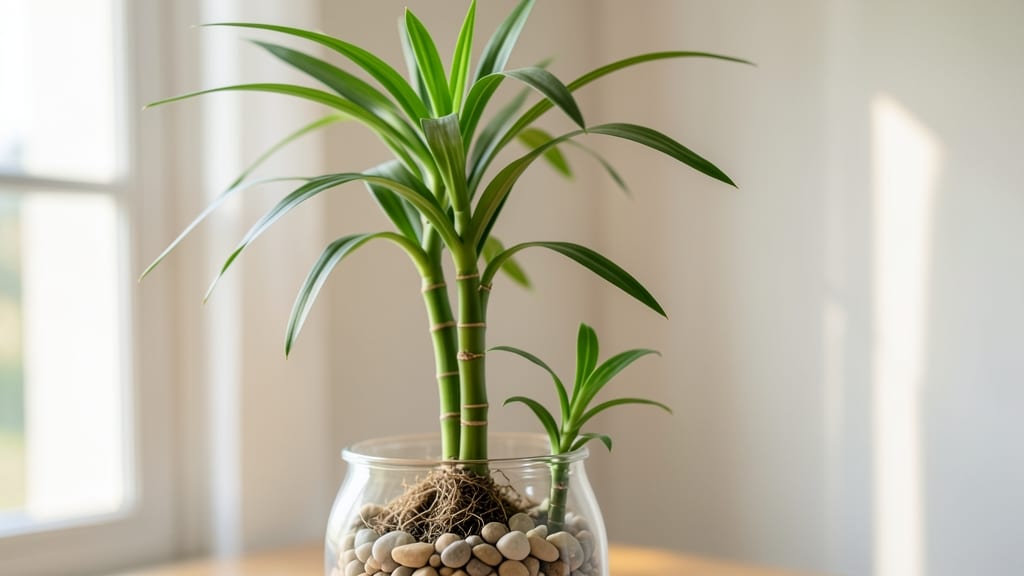
If you're wondering how tall a bamboo plant can grow, the answer might surprise you—some varieties shoot up to 100 feet or more, while others stay perfectly manageable in containers. 🌿 Whether you're planning a towering privacy screen or a compact patio plant, the species you choose makes all the difference.
Bamboo isn’t just one plant—it’s a whole family with dramatic height variations. Running bamboo, like the aggressive Phyllostachys, can spread rapidly and reach skyscraper-like heights, while clumping types such as Bambusa multiplex stay tame at just a few feet.
Knowing the difference could save you from a backyard takeover or help you maximize vertical space.
But here’s the catch: even the tallest bamboo can be controlled with the right techniques. From pruning to root barriers, I’ll show you how to keep your bamboo in check—no matter how ambitious its growth potential.
Let’s break down the heights, habits, and hacks so you can pick the perfect plant for your space.
Ready to transform your yard with bamboo? Whether you’re after a fast-growing giant or a low-maintenance dwarf, this guide will help you make the right choice—and keep it thriving for years to come.


Bamboo growth heights by species: from dwarf to giant varieties
Choosing bamboo for your garden means understanding its mature height range, which can vary dramatically from 3 feet to over 100 feet. The key difference lies in whether it's a running or clumping variety—running types like Phyllostachys can spread aggressively, while clumping types like Bambusa stay contained.
Knowing these distinctions helps you pick the perfect variety for your space, whether you need a privacy screen or a potted accent plant.
For example, the Tiny Bull bamboo (Bambusa multiplex) stays under 8 feet tall, making it ideal for patios, while Phyllostachys aureosulcata can reach 60+ feet, perfect for rural landscapes.
The height also depends on growing conditions—full sun and rich soil accelerate growth, while shade and poor drainage can stunt it. Let’s break down the tallest and shortest bamboo species to help you plan your garden.
🌿 Visual Guide: Below is a quick comparison of bamboo heights by species, including their growth habits and mature sizes.
The shortest bamboo varieties, like Bambusa multiplex 'Tiny Bull,' are perfect for container gardening or small urban spaces. These clumping types grow in tight clusters, making them easy to manage without spreading.
On the other hand, running bamboo like Phyllostachys aureosulcata can become invasive if not controlled—its rhizomes spread aggressively, reaching 20+ feet per year under ideal conditions.
If you’re aiming for a privacy screen, semi-dwarf varieties like Phyllostachys bissetii (15–20 ft) strike a balance between height and manageability. They’re tall enough to block views but won’t overwhelm smaller yards.
For tropical or rural settings, giants like Dendrocalamus asper (50–100 ft) create dramatic focal points but require ample space and containment strategies.
One common mistake is assuming all bamboo grows tall and fast. In reality, many dwarf varieties mature slowly, reaching their full height in 3–5 years, while giant species can take 10+ years to reach their peak.
Always check the growth rate and rhizome type before planting to avoid surprises.
For urban gardeners, clumping bamboo is the safest choice—it won’t spread beyond its planted area. Running types, however, need root barriers or containers to prevent them from taking over your yard.
Even then, some varieties like Phyllostachys nigra (black bamboo) can still reach 40+ feet tall while staying contained in a large pot.
How to control bamboo height: pruning, container gardening, and root barriers
Controlling bamboo height starts with understanding its growth habits. Running bamboo spreads aggressively through underground rhizomes, while clumping bamboo stays put in tight clusters—both can reach varying heights depending on care.
For tall varieties like Phyllostachys aureosulcata (up to 80 feet), containment is key, while dwarf types like Bambusa multiplex 'Tiny Bull' (3-8 feet) need minimal management.
Your first line of defense is pruning. Regular trimming keeps bamboo at your desired height and improves airflow. For tall bamboo, focus on removing older canes at the base to encourage new growth from the center.
For container-grown bamboo, prune in early spring to maintain shape and prevent overcrowding.
Here’s how to manage bamboo height step-by-step, whether you’re dealing with a 60-foot giant or a 3-foot patio plant:
For tall bamboo varieties, consider selective pruning to shape growth. Cut back older canes first to encourage younger, stronger shoots from the center. This keeps your bamboo dense and upright while controlling height.
If your bamboo starts to lean or spread too wide, prune the outer canes to redirect energy inward.
Remember, prevention is easier than correction. If you’re planting running bamboo in your yard, invest in root barriers early—digging them in later is a labor-intensive chore. For container gardening, choose varieties like Bambusa multiplex or Fargesia species, which stay compact even in pots.
With the right techniques, you can enjoy bamboo’s lush greenery without the invasive headaches. Start small, monitor growth, and adjust as needed—your dream privacy screen or patio centerpiece will thank you! 🌿✂️🪴