
Plants
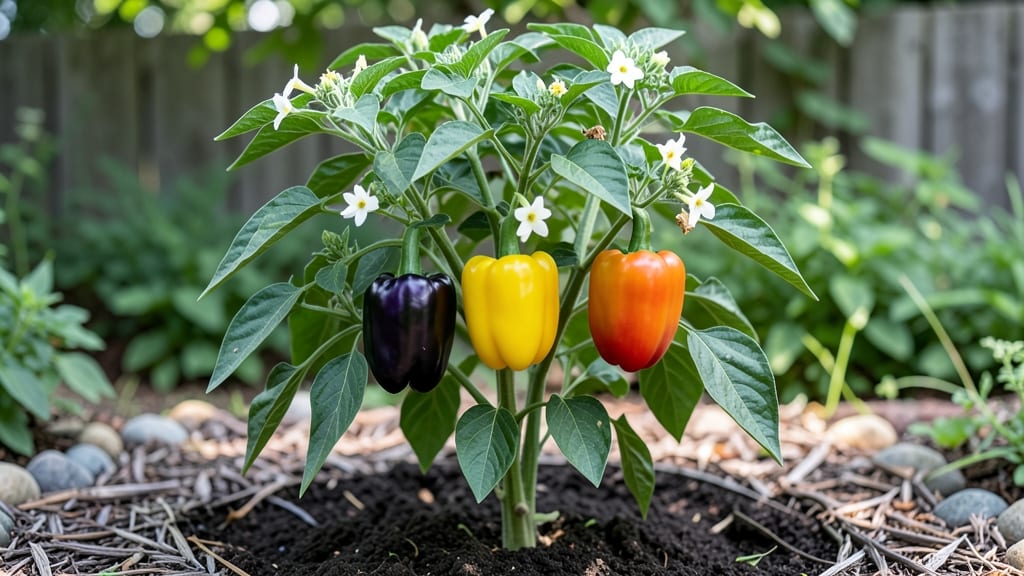
If you're planning your garden layout this spring, knowing how tall bell pepper plants grow could make all the difference between a cramped, tangled mess and a neat, productive space.
These 🌶️ plants don't all reach the same height—some stay compact while others stretch toward the sky, and understanding the differences helps you avoid overcrowding or wasted space.
Most standard bell pepper varieties like 'California Wonder' grow between 2 and 4 feet tall, making them perfect for raised beds or garden plots.
But if you're growing dwarf types, you might only need 18 to 24 inches of vertical space, while tall indeterminate varieties can climb even higher with support. The key is matching your variety to your garden's layout.
Sunlight, pruning, and even soil nutrients play a role in how tall your bell peppers become. Too much shade or improper pruning can stunt growth, while over-fertilizing might encourage excessive height.
I'll break down the factors that influence height and share tips to keep your plants at the ideal size for your space.
Whether you're a beginner or a seasoned gardener, getting this right means more peppers and less frustration. Let's dive into the specifics so you can plan your garden with confidence—and maybe even save a few trellises for next season!


Bell pepper plant height by variety: compact vs. tall-growing types
When planning your bell pepper garden, knowing the height range of each variety is crucial for space planning and support needs. Some varieties stay compact at just 18 inches tall, while others can reach 4 feet or more, making them perfect for trellises or vertical gardens.
The difference often comes down to whether the plant is determinate (bush-type) or indeterminate (vining). Let’s explore the most popular varieties and their growth habits to help you choose the best fit for your space.
Determinate varieties typically stay shorter and bushier, making them ideal for containers or small gardens. Indeterminate types, on the other hand, grow taller and produce peppers over a longer season, often requiring staking or cages.
Understanding these differences will help you avoid overcrowding and ensure your plants have the support they need to thrive. Whether you're a beginner or a seasoned gardener, selecting the right height variety can make all the difference in your harvest success.
| Variety | Height Range | Growth Habit | Best For |
|---|---|---|---|
| 'Jalapeño M' | 18–24 inches | Determinate (bush) | Containers, small gardens |
| 'California Wonder' | 24–36 inches | Indeterminate (vining) | Trellises, vertical gardens |
| 'Sweet Banana' | 30–40 inches | Indeterminate (vining) | Staking, large gardens |
| 'Lunchbox' | 12–18 inches | Determinate (compact) | Patio containers, balconies |
| 'Carolina Wonder' | 36–48 inches | Indeterminate (tall) | Trellises, large plots |
| 'Mini Bell' | 12–16 inches | Determinate (dwarf) | Window boxes, small spaces |
The 'Jalapeño M' is one of the most popular compact varieties, perfect for gardeners with limited space. It tops out around 24 inches and produces heat-loving peppers ideal for salsas and spicy dishes.
This determinate type sets all its fruit at once, making it great for canning or freezing. If you're growing in containers, this variety thrives in 5-gallon pots with proper drainage.
On the taller side, 'California Wonder' can reach 3 feet or more and is an indeterminate variety, meaning it produces peppers continuously throughout the season. This makes it a favorite for gardeners who want a steady harvest.
To support its height, use cages or stakes and prune regularly to encourage airflow and prevent disease. Its large, sweet peppers are perfect for stuffing or grilling.
For those with vertical gardening space, the 'Sweet Banana' variety is a standout. It grows 3 to 4 feet tall and produces long, banana-shaped peppers that are both sweet and crunchy.
This indeterminate type benefits from trellising, which not only saves space but also improves fruit quality by reducing soil-borne diseases. Train the vines upward as they grow to maximize your garden’s vertical potential.
If you're working with ultra-small spaces, consider the 'Lunchbox' pepper. This determinate variety stays under 18 inches tall and is ideal for patio containers or balcony gardens.
It produces sweet, medium-sized peppers perfect for snacking or salads. Its compact size makes it a great choice for urban gardeners or those with limited outdoor space.
For gardeners who love tall, productive plants, the 'Carolina Wonder' is a powerhouse. This indeterminate variety can grow up to 4 feet tall and produces large, blocky peppers that are excellent for roasting or stuffing.
To manage its height, use a strong trellis or bamboo stakes and prune suckers to direct energy toward fruit production. Its long harvest season makes it a favorite for those who want peppers from summer through fall.
Lastly, the 'Mini Bell' is perfect for window boxes or tiny gardens. This dwarf variety stays under 16 inches tall and produces small, sweet peppers ideal for garnishes or pickling. Its compact size makes it a great choice for
How to control bell pepper plant height for small gardens
If you're growing bell peppers in a small garden, managing their height becomes a top priority. Indeterminate varieties can grow 3-4 feet tall or more, while bush types stay compact at 18-24 inches. Without control, tall plants can crowd your space, shade smaller crops, and become difficult to harvest.
The good news? With simple techniques, you can train even the tallest varieties to fit your garden's vertical limits.
Start by choosing the right container or support system based on your space. For example, 5-gallon fabric pots work well for dwarf varieties, while cage supports or trellises are ideal for taller types.
Pruning is another powerful tool—removing suckers and lower leaves encourages upward growth while improving air circulation. Even container gardening can accommodate tall peppers if you use deep pots with built-in trellises.
- Use dwarf varieties like 'Snackable' or 'Lunchbox' for under 2 feet growth—perfect for container gardens.
- Install trellises or stakes early to guide indeterminate types upward, saving floor space.
- Prune suckers and lower branches to redirect energy to fruit production and compact growth.
- Choose 5-gallon pots with trellis attachments for tall varieties—ensures root stability.
- Harvest peppers regularly to prevent overgrowth—removing fruit signals the plant to stay bushy.
For container gardening, select pots with at least 12-inch depth to accommodate roots. Add compost-rich soil and a slow-release balanced fertilizer to promote steady growth. If your space is ultra-limited, consider vertical gardening with wall-mounted pockets or stacked planters.
This method not only saves space but also makes harvesting easier by bringing peppers to your eye level.
Pruning isn't just about height control—it's also about improving yield and airflow. Focus on removing suckers (the small shoots that form in the leaf axils) and any yellow or diseased leaves. Use clean, sharp pruners to avoid damaging the main stem.
Aim to prune in the morning when the plant is hydrated, reducing stress. This practice keeps your peppers productive and manageable throughout the season.
Don’t forget about light exposure—bell peppers need 6-8 hours of full sun daily. If your garden is shaded, supplement with a grow light to prevent leggy growth. Tall varieties may lean toward the light, so rotate pots occasionally to ensure even growth.
In small spaces, place taller plants near the south or west side of your garden to maximize sunlight absorption while keeping them upright.
With these strategies, you can transform a space constraint into a productive pepper garden. Whether you're using containers, trellises, or pruning techniques, controlling height ensures you get a bountiful harvest without sacrificing your garden's layout. Happy growing! 🌱