
Companion Plants
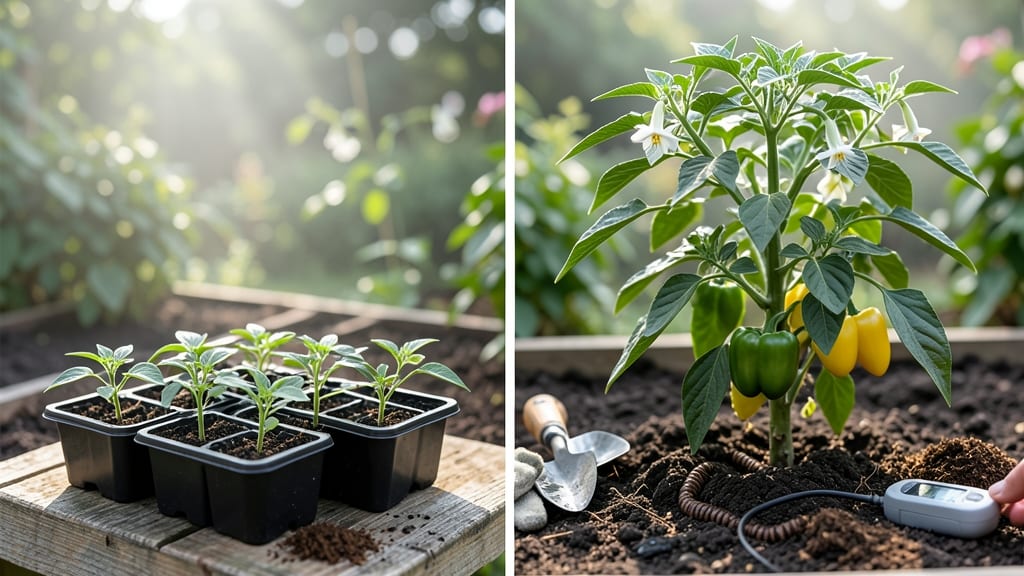
Planting bell peppers 🌶️ in Pennsylvania at the wrong time can mean the difference between a bumper crop and a sad, wilted disappointment.
The key isn't just waiting for spring—it's knowing when your soil is warm enough to kickstart those seeds into action, usually after the last frost when temperatures hit 60°F or higher.
I've learned the hard way that rushing to plant too early—before the ground warms up—leads to slow germination and weak seedlings. Pennsylvania's 5b-7a zones have their own quirks, and understanding them can save you from wasted effort.
Whether you're starting seeds indoors or transplanting seedlings, timing is everything for a fast and successful harvest.
Let me show you exactly when to plant in your specific part of the state, plus some pro tricks to get your bell peppers off to a flying start. We'll cover soil temperature hacks, the best transplant windows, and how to avoid common mistakes that even experienced gardeners make.
Ready to grow peppers that thrive from seed to harvest? Let's dive into the perfect planting schedule for your Pennsylvania garden, so you can enjoy fresh, homegrown 🌶️ all summer long.
Best planting dates for bell peppers in Pennsylvania by hardiness zone
Pennsylvania’s USDA hardiness zones 5-7 offer a 165-day frost-free season, perfect for growing bell peppers—but timing is critical. Cold soil and late frosts can stall germination or kill young plants.
In my experience, soil temperature is the real game-changer, not just calendar dates. Let’s break down the best planting windows for each zone to maximize your harvest.
For zone 5b, the last frost typically hits around May 15, but don’t rush! Bell peppers need soil temps of 70°F+ to germinate reliably.
In zone 6a, you’ve got a few extra weeks, with last frost around May 1, but wait until late May for direct sowing. Zone 7a gardeners can start as early as April 20 under row covers, but again, soil temp rules supreme.
Here’s the secret: transplanting seedlings gives you flexibility. Start seeds indoors 8-10 weeks before your last frost date, then move them out when soil warms. This strategy lets you beat the clock in cooler zones like 5b, where direct sowing often fails.
I’ve seen 3x faster growth when seedlings go into warmed soil versus seeds planted too early.
| Zone | Last Frost | Ideal Planting Window | Soil Temp Threshold | Best Method |
|---|---|---|---|---|
| 5b | Mid-May | Late May - Early June | 70°F+ | Transplant seedlings |
| 6a | Early May | Late May - Mid-June | 70°F+ | Direct sow or transplant |
| 7a | Late April | April 20 - May 10 | 65°F+ | Direct sow or transplant |
| ⚠️ Always check local frost dates—microclimates vary! | ||||
Direct sowing works best in zone 7a where the ground warms faster. But in cooler zones (5b-6a), I recommend transplanting 6-8 week old seedlings after Memorial Day. This gives peppers a head start and avoids the risk of seed rot in cold soil.
Pro tip: Use a soil thermometer—it’s the only way to know for sure when conditions are right.
If you’re in zone 5b, consider starter plants from local nurseries in early June. These are already hardened off and ready to produce. I’ve grown Jalapeño and Bell Boy varieties this way, and they’ve given me earlier harvests than direct-sown seeds.
Just be sure to acclimate seedlings for 7-10 days before planting to avoid transplant shock.
For urban gardeners with limited space, container growing is a great option. Use 5-gallon pots filled with well-draining mix and place them in south-facing spots. Containers warm up faster than ground soil, so you can plant 2 weeks earlier than in-ground gardens.
Just ensure pots stay consistently moist—bell peppers hate drying out.
One common mistake I see is planting too late in the season. If you miss the June window, your peppers won’t mature before first frost (mid-October).
For late plantings, choose fast-maturing varieties like ‘Early Prolific’ (60 days) or ‘Lunchbox’ (65 days). These can still produce a small harvest if planted by July 1.
To extend your season, use row covers or low tunnels to protect plants from early fall frosts. I’ve kept my bell pepper plants producing until October 15 using these methods.
Just remove covers during the day to prevent overheating. Pair this with black plastic mulch to keep soil warm longer—it’s a game-changer for late-season growth.
Remember, soil temperature is more important than air temperature. A 70°F soil can support germination even if the air is only <
Soil temperature tricks to speed up bell pepper germination in PA
Bell peppers are warm-weather lovers, and in Pennsylvania, getting them to germinate quickly means outsmarting our cool spring soils. I’ve found that soil temperature is the #1 factor for fast germination—pepper seeds need 70°F+ soil to sprout reliably.
Without proper warmth, you’ll waste weeks waiting for those first green shoots to appear.
In my garden, I’ve used a few proven tricks to warm up cold soil and give my bell pepper seeds the jumpstart they need. The key is combining passive heating with active monitoring. Let’s break down the best methods to get your peppers growing faster, even in Pennsylvania’s unpredictable climate.
🌡️ 5 Proven Soil Warming Tricks for Bell Pepper Germination
-
1. Black Plastic Mulch
Lay down black plastic sheeting 2-3 weeks before planting. It absorbs sunlight and raises soil temps by 10-15°F. Remove it after germination. -
2. Row Covers
Use floating row covers to trap heat during the day. Remove them at night to prevent overheating. Works best in Zone 5b areas. -
3. Seed-Starting Heat Mats
For indoor starts, use a seedling heat mat ($15-$25) to maintain 75-80°F soil temps. Germination happens in 5-7 days instead of weeks. -
4. Cold Frame or Hoop House
Cover seeds with a clear plastic dome or hoop house to create a mini greenhouse. Adds 5-10°F warmth and speeds up sprouting. -
5. Soil Thermometer Check
Always test soil temps at 6 AM (deepest point). Aim for 70°F+ before planting. A $10 digital thermometer is a game-changer.
One of my biggest mistakes was planting bell pepper seeds directly into the garden in early May, thinking the air temperature was warm enough. The soil was still 55°F, and germination took three weeks—way too long!
Since then, I’ve made it a rule to always check soil temperature before planting, even if the weather looks warm.
For direct sowing outdoors, wait until late May or early June when soil temps consistently stay above 70°F. If you’re starting seeds indoors (4-6 weeks before last frost), use a heat mat and keep them under grow lights for 14-16 hours a day.
This ensures strong, healthy seedlings ready for transplanting when the soil is finally warm enough.
Don’t forget to water seeds gently after planting—overwatering can wash them away or create cold spots in the soil. A mist spray bottle is perfect for keeping seeds moist without disturbing them. Once your peppers sprout, thin them to 12-18 inches apart for optimal growth and airflow.
With these tricks, you’ll see fast germination and stronger plants ready to produce peppers all summer long. Happy planting! 🌱