
Plants
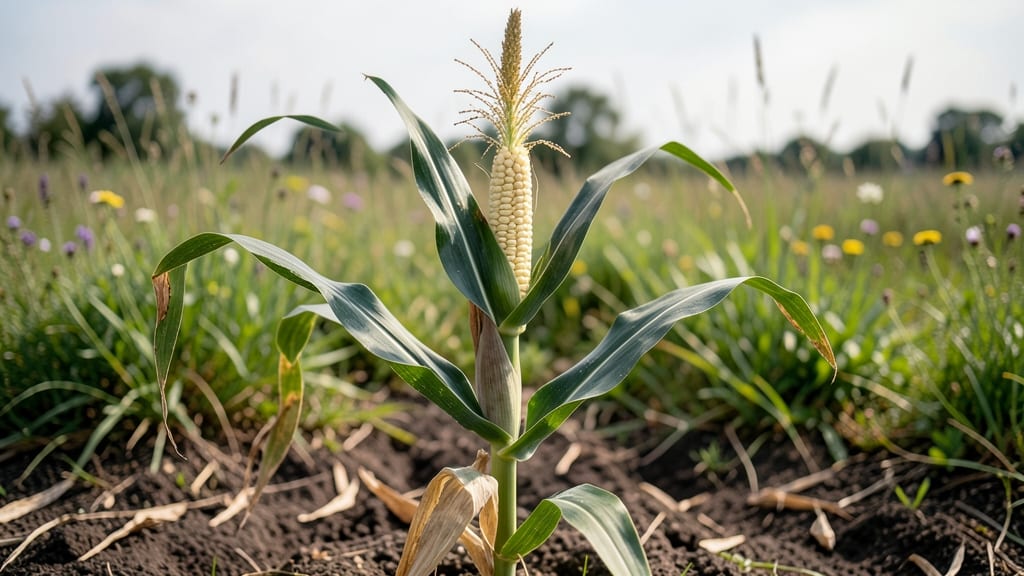
If you’ve ever wondered how tall a corn plant can grow, the answer might surprise you—some varieties stretch taller than a basketball hoop, while others stay as short as a child’s reach.
Knowing these heights is the key to planning your garden layout, choosing the right variety for your space, and even deciding whether you’ll need trellises or support.
For most home gardeners in Zone 6a, corn plants typically reach between 6 and 12 feet, depending on the type.
Sweet corn, the kind you’d grill or boil, usually falls in the 6- to 8-foot range, while field corn (used for livestock or ethanol) can soar up to 12 feet or more. Even dwarf varieties, which are perfect for small gardens, only grow 3 to 5 feet tall.
But here’s the thing: height isn’t just about the variety—your growing conditions play a huge role. Too little sunlight, poor soil, or inconsistent watering can stunt growth, while rich nutrients and full sun can push those stalks skyward.
Whether you’re planting in April or May (after the last frost), understanding these factors will help you get the most out of your corn patch.
Ready to pick the perfect corn for your garden? I’ll break down the tallest and shortest varieties, spacing tips, and how to optimize growth so you can harvest like a pro by July or September. Let’s get started!


Corn plant height by variety: from dwarf to giant types
Corn plants can range from compact dwarf varieties that barely top your waist to towering giants reaching higher than a basketball hoop. The height of your corn isn't just about aesthetics—it directly impacts spacing needs, wind resistance, and even harvest accessibility.
Understanding these differences helps you choose the perfect variety for your garden space, whether you're working with a small urban plot or a sprawling backyard.
Most home gardeners focus on sweet corn varieties, but field corn and popcorn can also vary dramatically in stature. For example, some dwarf sweet corn varieties stay under 5 feet, while traditional field corn can shoot up to 12 feet or more.
Even within sweet corn, the difference between a 3-foot variety and a 10-foot one means adjusting your planting layout completely.
Here’s a quick visual guide to help you compare heights at a glance, along with ideal spacing recommendations to maximize yield without crowding:
If you're growing dwarf varieties, like 'Golden Bantam' or 'Tom Thumb', you’ll save space and can even grow them in containers. These stay under 5 feet and are perfect for small gardens or balcony setups.
Their compact size also makes them easier to harvest without bending over for hours.
For standard sweet corn, like 'Silver Queen' or 'Peaches and Cream', plan for 7–10 feet of height. These need more space between plants (12 inches apart) and rows (30 inches apart) to prevent shading and disease.
If you're growing them in windy areas, consider staking or trellising to support their weight.
Field corn, often used for livestock feed or ethanol production, can reach 12 feet or taller in ideal conditions. Varieties like 'Pioneer Brand 39W62' are bred for height and yield, but they require ample space—think 36 inches between plants and 18 inches between rows.
These giants also need rich, fertile soil to support their massive stature.
Popcorn varieties, such as 'Glass Gem' (a colorful heirloom), typically fall between 5–9 feet. While they’re shorter than field corn, they still need room to grow.
Their unique kernels and vibrant husks make them a great ornamental choice, but their height means they’re best suited for larger garden beds rather than containers.
When planning your corn patch, remember that taller varieties create shade, which can stunt the growth of shorter plants nearby. If you're mixing heights, place taller corn on the north side of your garden to avoid blocking sunlight from shorter varieties.
This simple trick can double your yield per square foot by optimizing light exposure.
For urban gardeners with limited space, consider vertical growing techniques. You can train corn stalks to grow up a trellis or teepee structure, even with taller varieties.
This not only saves space but also makes harvesting easier. Just be sure to secure the trellis firmly—a 10-foot corn plant can weigh 50+ pounds when fully mature!
How growing conditions affect corn plant height
Corn plants are like sun-seekers—they stretch toward the sky when conditions are perfect, but even the tallest varieties can be stunted by poor growing conditions. Sunlight exposure, soil fertility, and water availability all play critical roles in determining whether your corn reaches its full potential height or stays short and scraggly.
Understanding these factors helps you optimize growth for your specific climate and garden setup.
For example, a standard sweet corn variety like 'Silver Queen' typically grows 6-10 feet tall under ideal conditions, but the same variety might only reach 4-6 feet in a shady spot or nutrient-poor soil.
Even dwarf corn varieties (like 'Little and Tender') can struggle to reach their 3-5 foot height if deprived of essential nutrients or water. Let’s break down the key factors that influence corn height and how you can control them.
- 1 Sunlight (6-8+ hours daily): Corn thrives in full sun. Less than 6 hours of sunlight can stunt growth by 30-50%. Use reflective surfaces or trellises to maximize light exposure in shady areas.
- 2 Soil nutrients (N-P-K balance): A 10-10-10 fertilizer at planting boosts height. Low nitrogen (N) causes yellowing leaves and stunted growth, while excess phosphorus (P) can lead to weak stems. Test soil pH (ideal: 6.0-6.8).
- 3 Watering (1-2 inches weekly): Drought stress during tasseling (when pollen forms) can reduce height by 20-40%. Mulch with straw to retain moisture, especially in USDA Zones 7-10 with hot summers.
- 4 Climate zone (USDA 5-10): Corn in Zone 5 may grow slower due to cooler nights, while Zone 10 varieties can reach heights 20% taller with longer growing seasons. Choose early-maturing varieties for shorter seasons.
Another critical factor is plant spacing. Corn plants need room to grow—crowding them can lead to competition for nutrients and sunlight, resulting in shorter, weaker stalks.
For standard varieties, space plants 12-18 inches apart in rows 30-36 inches apart. Dwarf varieties can tolerate closer spacing (8-12 inches apart), but even they benefit from proper airflow to prevent fungal diseases like corn smut, which weakens stems.
If you’re growing corn in containers or small spaces, opt for bush corn varieties like 'Golden Bantam' (max height: 5 feet). These compact types are perfect for urban gardens but still require full sun and consistent watering.
For taller varieties, consider trellising or using a corn cage to support heavy ears and prevent lodging (when plants fall over).
Finally, don’t overlook the role of pests and diseases. Corn earworms or aphids can sap energy from the plant, leading to stunted growth. Use row covers early in the season or apply neem oil as a preventive measure.
Healthy soil—rich in organic matter—builds natural resistance, so amend your garden with compost before planting.
By fine-tuning these conditions, you can coax even dwarf varieties to reach their potential height—or help tall corn like 'Country Gentleman' (up to 12 feet) thrive in your garden. Experiment with spacing, fertilization, and watering to find the sweet spot for your local climate! 🌽☀️