
How To
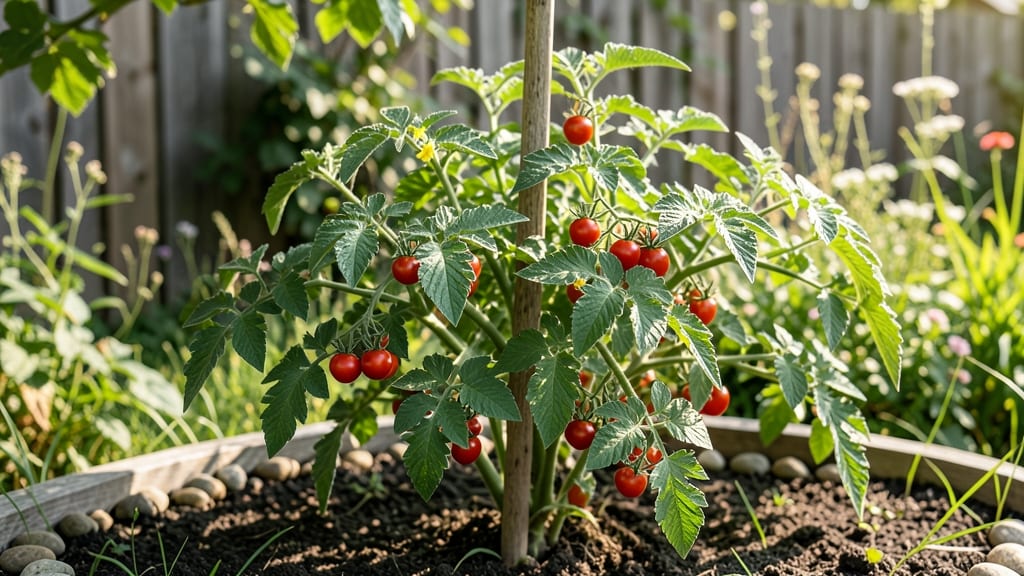
If you’ve ever wondered how tall your cherry tomato 🍅 plants might grow, the answer depends more on the variety than you think—some stay neatly compact while others climb like jungle vines.
Determinate types like 'Sweet 100' top out around 3-4 feet, making them perfect for containers, while indeterminate varieties like 'Sun Gold' can stretch 8-10 feet if left unchecked.
This height difference isn’t just about space—it affects how you’ll support, prune, and even harvest your plants. A 6-foot trellis might feel overkill for a bushy variety, but it’s essential for sprawling vines to prevent disease and maximize yield.
Knowing your plant’s growth habit upfront saves time (and tangled vines) later.
Whether you’re working with limited balcony space or dreaming of a towering garden trellis, understanding these growth patterns is the key to planning. I’ll break down the best varieties for small gardens, how to control height naturally, and when to let those vines run wild for bigger harvests.
Ready to turn your garden into a cherry tomato paradise? Let’s dive into the heights, supports, and secrets that’ll help you grow like a pro—no guesswork required.


Cherry tomato plant height guide: compact varieties vs tall strains explained
When planning your garden, knowing how tall cherry tomato plants grow can transform your space from chaotic to controlled. Some varieties stay as short as 12 inches, perfect for windowsills, while others stretch to 10+ feet, needing sturdy trellises.
The key difference lies in their growth habits: determinate (bush) types stay compact, while indeterminate (vining) varieties keep growing until frost.
Understanding these distinctions helps you choose the right variety for your space. For example, balcony gardens thrive with dwarf varieties, while large plots can accommodate sprawling vines. Let's break down the height ranges and growth habits so you can pick the perfect cherry tomato for your setup.
📊 Comparison Table: Cherry Tomato Height Ranges by Growth Habit
The dwarf varieties like 'Tiny Tim' are ideal for container gardening or windowsills, reaching just 12–18 inches. These determinate plants produce fruit all at once, making them perfect for heirloom varieties or quick harvests.
Meanwhile, indeterminate types like 'Sweet Million' grow continuously, needing vertical support to reach their full 8–12 foot potential.
If you're working with limited space, prioritize bush varieties that stay under 3 feet. These thrive in 5-gallon containers or hanging baskets, producing high yields in small areas.
For example, 'Patio Princess' tops out at 24 inches but yields hundreds of cherry tomatoes per plant. This makes them a favorite for balcony gardens and urban setups.
On the other end of the spectrum, indeterminate cherry tomatoes like 'Super Sweet 100' can grow 10+ feet tall if left unchecked. These varieties need strong trellises or cages to support their weight. Without proper support, they'll sprawl across your garden, competing with other plants for sunlight and nutrients.
Think of them as vertical vines—perfect for fences or arbors where they can climb and produce fruit all season long.
One common misconception is that taller plants always mean more fruit. While indeterminate varieties produce continuously, their yield depends heavily on pruning and support. Without these, the plant wastes energy growing vines instead of fruit.
For instance, 'Black Cherry' can reach 12 feet but may yield less per square foot than a well-pruned 'Sweet 100' in a 3-foot cage.
For first-time gardeners, I recommend starting with medium-height varieties like 'Sun Gold'. These grow 4–5 feet tall and fit well in standard tomato cages. They’re forgiving if you forget to prune and produce bright orange fruit that’s both sweet and prolific.
This variety bridges the gap between compact and tall, making it a versatile choice for most gardens.
If you're growing in containers, choose dwarf or semi-dwarf varieties to avoid root-bound stress. A 5-gallon pot is ideal for 18-inch-tall plants, while 7-gallon pots can handle 3-foot varieties.
Remember, container-grown plants dry out faster, so monitor soil moisture closely. A self-watering planter can be a game-changer for busy gardeners.
Pro tip: If you love the idea of tall cherry tomatoes but lack space, consider espalier training. This technique flattens vines against
How to control cherry tomato plant height: pruning and support techniques
Managing the height of your cherry tomato plants isn’t just about aesthetics—it’s about maximizing yield, preventing disease, and saving space.
Whether you’re growing determinate varieties like 'Tiny Tim' (which stay under 2 feet) or indeterminate types like 'Black Cherry' (that can climb 10+ feet), the right techniques make all the difference.
Without proper support or pruning, even compact varieties can become unruly, while tall vines left unchecked risk breaking under the weight of fruit.
For beginners, the key is understanding two core strategies: pruning to control bushiness and support structures to guide vertical growth. Pruning encourages airflow and directs energy toward fruit production, while supports like trellises or cages prevent sprawling.
The best part? These methods work for both small containers and large garden beds. Let’s break down how to tailor these techniques to your specific needs.
🌱
Step-by-Step Guide to Managing Cherry Tomato Height
One common mistake I see is waiting too long to prune or install supports. For example, if you plant an indeterminate variety like 'Sweet Million' without a trellis, it’ll sprawl across your garden, making harvesting difficult and increasing disease risk.
Start with a 3-foot cage for compact types or a 6-foot trellis for vining varieties, and adjust as the plant grows. Even determinate plants benefit from light pruning—they’ll produce more fruit if you remove some leaves to improve airflow.
For expert gardeners, the secret lies in balancing pruning and support. If you’re growing in containers, choose dwarf varieties like 'Tumbling Tom' and prune aggressively to keep them under 2 feet. In ground gardens, indeterminate types thrive on strong trellises, but prune suckers weekly to prevent overgrowth.
The goal is always the same: maximize fruit production while keeping plants healthy and manageable.
Remember, cherry tomatoes respond quickly to care. Within weeks of proper pruning and support, you’ll notice fuller plants with more clusters of fruit. And the best part? You’ll save space, reduce pests, and enjoy a bountiful harvest—no tangled messes in sight! 🌿