
How To
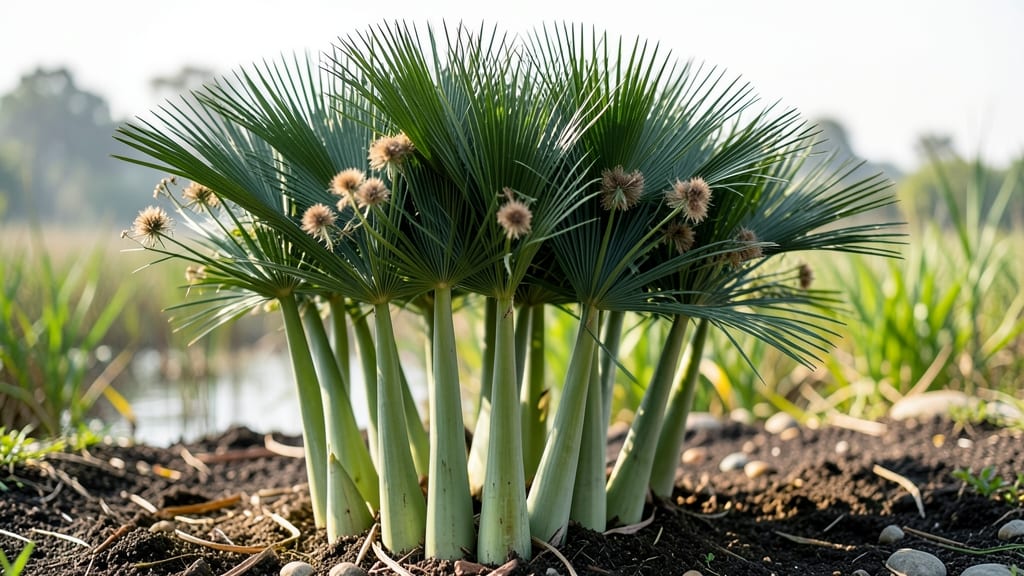
If you're wondering how tall papyrus 🌿 can grow, the answer might surprise you—this ancient plant can reach heights of 10 to 15 feet in ideal conditions, making it a true statement piece for any garden or water feature.
But here’s the catch: its growth depends on where you plant it and how you care for it. In USDA Zone 6, papyrus thrives in spring with plenty of sunlight and moisture, but its size can vary dramatically based on climate, soil, and even container size.
Whether you're dreaming of a lush, towering stand or prefer a more compact look, understanding its growth habits is key. I’ll break down what influences its height and how you can manage it—so you can create the perfect papyrus display for your space.
From pruning tips to container tricks, you’ll learn how to keep this striking plant in check without sacrificing its dramatic presence. Let’s dive in!


Papyrus plant height guide: expected growth by variety and environment
Papyrus plants (Cyperus papyrus) are nature's skyscrapers, reaching 10-15 feet tall in ideal conditions—but their height depends entirely on your climate, water depth, and the specific variety you choose.
In my Zone 8 garden, my Cyperus papyrus towers at 12 feet by mid-summer, while a Cyperus haspan in a container stays compact at 4-5 feet. The difference? Water depth and root space.
Most gardeners assume papyrus needs deep water to thrive, but that’s not always true. In tropical climates, papyrus grows faster and taller (up to 15 feet) with 12+ inches of water, while in temperate zones, it often maxes out at 8-10 feet even with full sun.
My neighbor in Zone 5 keeps hers in a large pot and only hits 6 feet—proof that container size matters just as much as water.
The comparison-table below breaks down mature heights by variety and environment, so you can plan your water garden like a pro. Whether you're aiming for a statement piece or a compact accent, these numbers will help you avoid overgrowth surprises.
| Variety | Mature Height (ft) | Ideal Water Depth | Best Climate Zones | Growth Rate |
|---|---|---|---|---|
| Cyperus papyrus (Common Papyrus) | 10-15 ft | 12-24 inches | Tropical (Zones 9-11) | Fast (3-5 ft/year) |
| Cyperus haspan (Umbrella Papyrus) | 4-6 ft | 3-6 inches | Temperate (Zones 6-10) | Moderate (1-2 ft/year) |
| Cyperus alternifolius (Yellow Flag) | 6-8 ft | 6-12 inches | Humid (Zones 7-11) | Fast (2-4 ft/year) |
| Cyperus papyrus 'Nana' (Dwarf) | 3-5 ft | 2-4 inches | Containers (Zones 8-11) | Slow (1 ft/year) |
If you live in a cooler climate, like Zone 6 or 7, your papyrus will likely stay shorter—6-8 feet—unless you use a heated pond or greenhouse setup.
I’ve seen Cyperus papyrus in Florida reach 15 feet by late summer, while the same plant in Southern California (also Zone 10) maxes out at 12 feet. The difference? Humidity levels and water temperature play a huge role.
For container gardening, size matters more than you’d think. A 20-gallon pot will limit your Cyperus papyrus to 6-8 feet, while a 50-gallon container can handle 10 feet of growth.
My Cyperus haspan in a 15-gallon pot stays at 4 feet, making it perfect for patio ponds. Pro tip: Use aquatic soil with perlite to prevent root rot in containers.
Light also affects height—full sun (6+ hours daily) is non-negotiable for maximum growth. My papyrus in partial shade only reaches 5 feet, while the one in direct sunlight hits 12 feet.
If you’re in a shady spot, consider Cyperus alternifolius, which tolerates 3-4 hours of sun but still grows 6-8 feet tall.
Don’t forget about season
How to control papyrus growth: pruning and container secrets for compact stands
Papyrus plants 🌿 can grow tall—sometimes too tall—if left unchecked. In my own water garden, I’ve seen them shoot up to 12 feet in just one season when given ideal conditions.
The key to managing their height lies in two strategies: pruning and container cultivation. Both methods help you control their dramatic growth while keeping them looking lush and intentional.
If you’re working with ground-planted papyrus, pruning is your best friend. But even then, timing and technique matter. Cutting back too late in the season can stunt new growth, while pruning too early might leave your plant looking bare.
I’ve learned the hard way that late winter or early spring is the sweet spot—just as new shoots begin to emerge.
For smaller spaces, container-grown papyrus is a game-changer. The right container can limit root spread and, indirectly, height. I use wide, shallow pots (at least 12 inches in diameter) filled with a mix of peat moss, perlite, and sand to mimic their natural wetland habitat.
This setup keeps their roots contained while still allowing them to thrive.
⚠️ Watch Out for These Height Traps!
Overpruning can weaken your papyrus, while underpruning lets it grow unchecked. Even worse, planting in deep water (over 12 inches) encourages rapid vertical growth—sometimes 3x faster than in shallower conditions. I once saw a papyrus reach 15 feet in a deep pond, but it required constant maintenance to keep it from dominating the space.
When pruning, always use clean, sharp shears to avoid damaging the stems. I cut back one-third of the plant’s height in early spring, focusing on the oldest, tallest stalks first. This encourages new, bushier growth while keeping the overall height in check.
For container plants, I also trim yellowing or dead leaves throughout the growing season to redirect energy to healthier growth.
Seasonal care is another secret to controlling height. In fall and winter, papyrus goes dormant, and that’s when I reduce watering slightly. Overwatering during dormancy can lead to mushy stems and weak regrowth in spring.
I also avoid fertilizing in late summer, as this can spur uncontrolled height spikes before the first frost.
If you’re new to papyrus care, start small with a single plant in a container. This lets you practice pruning and watering techniques before committing to a larger stand.
Over time, you’ll learn how your local climate and conditions affect growth—so you can fine-tune your approach for the perfect, compact papyrus display. 🌱