
How To
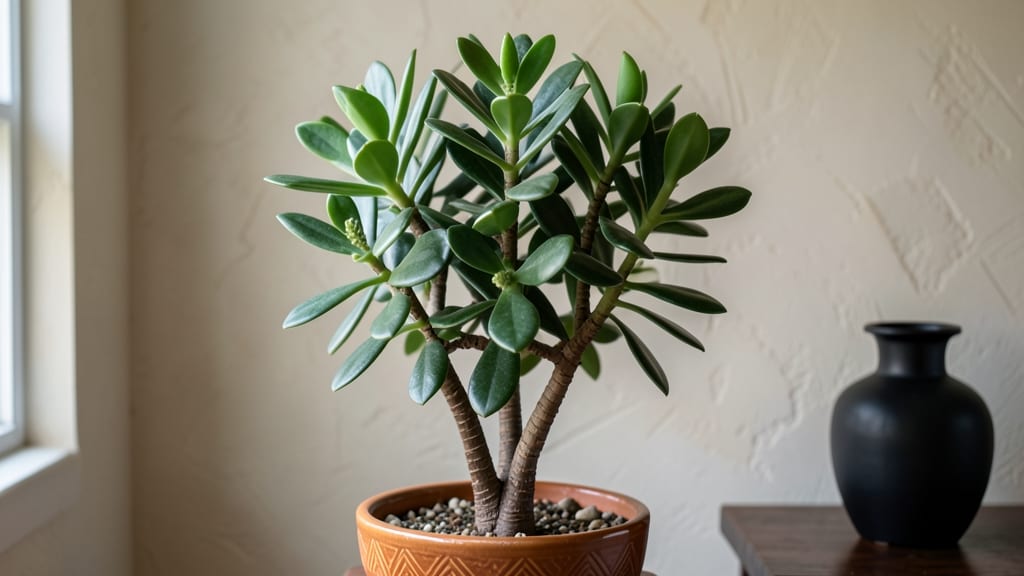
If you're wondering how tall your ZZ Plant 🌿 can grow, the answer might surprise you—this hardy houseplant can reach heights of 2 to 3 feet when mature, making it a perfect statement piece without taking over your space.
Unlike finicky plants, the ZZ thrives in low light and needs minimal care, so its size is more about patience than effort.
For the first year, expect slower growth—typically 1 to 2 feet—as the plant establishes its roots. After that, it grows steadily, though its height depends on factors like pot size, light exposure, and whether you prune it to encourage bushier growth.
With the right conditions, some ZZ Plants can even stretch taller, but they rarely exceed 3 feet indoors.
What makes the ZZ Plant so appealing is its adaptability. Whether you're a beginner gardener or just looking for a low-maintenance plant, understanding its growth patterns helps you plan where to place it—whether on a shelf, desk, or as a floor plant.
Plus, its drought tolerance means you won’t have to worry about overwatering or frequent adjustments.
Ready to maximize your ZZ Plant’s potential? I’ll break down how to control its height, from pruning tips to the best light conditions, so you can keep it at your ideal size—whether that’s a compact 1-foot specimen or a full-grown 3-foot showstopper. Let’s dive in!


ZZ plant height by growth stage: from seedlings to mature plants
If you're wondering how tall does a ZZ plant grow, the answer depends entirely on its growth stage. From delicate seedlings to towering mature specimens, this plant's height progression is fascinating—and surprisingly predictable.
As a low-maintenance houseplant, the ZZ plant (Zamioculcas zamiifolia) grows steadily but slowly, making it perfect for both beginners and plant enthusiasts who want long-term beauty without constant attention.
The key to understanding its height lies in recognizing three distinct stages: seedling, juvenile, and mature. Each stage brings unique growth patterns influenced by factors like light exposure, pot size, and pruning habits.
For example, a ZZ plant in a small pot with limited light may stay compact, while one in a large container with bright indirect light can reach its full height potential.
Here’s what you need to know about the ZZ plant height by growth stage, including average measurements and the factors that shape its vertical development:
During the seedling stage, your ZZ plant will focus on establishing its root system before shooting upward. In this phase, height gains are minimal—typically just 0.5–2 inches in the first few months. The speed of this early growth depends heavily on light conditions.
For instance, a seedling near a north-facing window with bright indirect light will grow faster than one tucked in a dim corner.
Once your ZZ plant enters the juvenile stage (around 6–18 months), you’ll notice more rapid vertical growth. This is when it reaches its 1–2 feet mark, making it an ideal size for small tables or shelves.
To encourage bushier growth during this phase, consider pruning the stems just above a leaf node. This technique stimulates lateral branching, giving your plant a fuller appearance while slightly slowing its upward momentum.
The mature stage is where most ZZ plants plateau, typically between 2–3 feet tall. This stage usually occurs after 2–3 years of growth, depending on care conditions.
If you’re aiming for a taller ZZ plant, provide it with a large pot (12+ inches in diameter) and ensure it receives moderate to bright indirect light. However, be cautious—overcrowded roots or excessive light can lead to leggy growth, which weakens the plant’s structure.
One common misconception is that ZZ plants grow indefinitely. In reality, their height is often self-regulated by root constraints and environmental factors.
For example, a ZZ plant in a small pot may never exceed 1–2 feet, while one in a large container with ample nutrients can stretch toward 4 feet under ideal conditions. Understanding these limits helps you plan for its long-term placement in your home.
If you’re curious about controlling your ZZ plant’s height, focus on three key factors: light exposure, pot size, and pruning frequency. For instance, placing your plant in low-light conditions will slow its vertical growth, while a larger pot encourages taller, more robust stems.
Pruning isn’t just for shaping—it’s also a way to manage height. Regularly trimming the top growth can redirect energy toward bushier, more compact foliage.
For those who love data, here’s a quick reference: A ZZ plant in a 6-inch pot with moderate light will likely max out at 1–2 feet, while the same plant in a 16-inch pot with bright indirect light could reach 3–4 feet.
The difference comes down to root space and access to nutrients, which directly impact vertical growth.
Whether you’re growing a ZZ plant for its aesthetic appeal or its low-maintenance nature, understanding its height progression helps you create the perfect environment.
From a tiny seedling to a majestic mature plant, each stage offers unique opportunities to shape its growth—so don’t hesitate to experiment with light, pots, and pruning to achieve your desired height!
How to control ZZ plant height: pruning and growth hacks
If you're wondering how to keep your ZZ plant from reaching towering heights, you're in the right place. These plants can grow 3 feet tall indoors with ideal conditions, but with a few simple tricks, you can shape them into a compact bush or maintain their height for years.
The key lies in understanding its natural growth patterns and using targeted care techniques.
ZZ plants grow vertically when they have unrestricted space and plenty of light. However, their growth rate slows significantly in low-light conditions, which is why many indoor ZZ plants stay shorter.
By adjusting your care routine, you can influence whether your plant grows tall or stays bushy. Let’s explore the best methods to control its height.
One of the most effective ways to control your ZZ plant's height is through pruning. When you prune, you’re not just trimming unsightly growth—you’re encouraging the plant to branch out.
Use clean, sharp pruning shears to cut back the top growth by about one-third. This stimulates lateral shoots, creating a fuller, bushier plant instead of a single tall stem.
Another critical factor is pot size. ZZ plants grow taller when they have more room to spread their roots. If you want to keep your plant shorter and bushier, choose a smaller pot (10-12 inches in diameter) and repot only when roots are visibly circling the container.
This root restriction naturally limits vertical growth.
Light exposure also plays a huge role. While ZZ plants thrive in low to bright indirect light, too much direct sunlight can cause leggy growth. If your plant is stretching upward, move it to a shadier spot or use a sheer curtain to diffuse harsh light.
This slows vertical growth and promotes a more compact shape.
For a bushier ZZ plant, try the "pinch and prune" method. Pinch off the top growth tips when new leaves emerge to encourage branching. Combine this with occasional fertilizer applications (balanced 10-10-10) during spring and summer to support healthy, dense foliage instead of rapid vertical growth.
With these techniques, you can easily manage your ZZ plant's height and keep it at your desired size—whether that’s a desk-sized buddy or a floor-filling statement plant. Experiment to see what works best for your space and lighting conditions! ✂️