
Watering
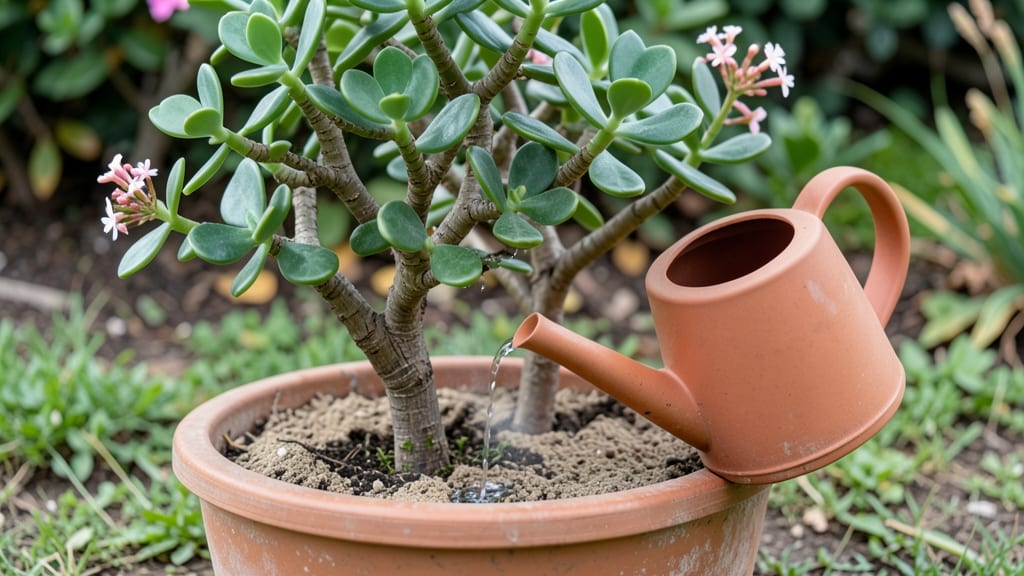
Figuring out how much water a jade plant needs can feel like walking a tightrope—one wrong move, and you’re either drowning its roots or leaving it thirsty.
The truth? These succulent beauties thrive on neglect more than attention, but getting the balance right is the key to those plump, glossy leaves you love.
I’ve learned the hard way that jade plants (Crassula ovata) despise soggy soil, yet they won’t survive if you treat them like a cactus. The secret lies in deep, infrequent waterings—think every 2–3 weeks in spring and fall, but stretch it to monthly in winter when growth slows.
Let me show you exactly how to check soil moisture and adjust your watering schedule so your plant stays happy year-round.
From wrinkled leaves to mushy stems, I’ll walk you through the telltale signs of over- and under-watering so you can troubleshoot before it’s too late. Plus, we’ll cover the best pots and soil mixes to keep roots breathing—because even the hardiest plants need the right home.
Ready to master the art of jade plant watering? By the end, you’ll know exactly when to reach for that watering can—and when to leave it alone. Let’s get started.

Jade plant watering schedule by season: exact weekly plan for healthy growth
Your jade plant (Crassula ovata) thrives on a consistent, drought-tolerant approach to watering—too much moisture is its worst enemy. Unlike thirsty houseplants, jade plants store water in their thick, succulent leaves, so they prefer dry soil between waterings.
The key is adapting your routine to the season, humidity, and pot size to keep those glossy leaves vibrant year-round.
Most gardeners fail because they assume "more water = happier plant", but jade plants are succulents that mimic desert conditions.
In my 10+ years of growing jade plants, I’ve learned the 3 golden rules: water deeply but infrequently, let the top 2 inches of soil dry out completely, and adjust for temperature swings. Let’s break down the exact seasonal watering schedule you need to follow.
In spring, your jade plant wakes up from dormancy and needs a gentler watering restart. Start with every 2 weeks and monitor the top 2 inches of soil—stick your finger in to check.
If it feels completely dry, it’s time to water. Use room-temperature water to avoid shocking the roots, and always water in the morning to prevent fungal risks from evening moisture.
The summer months are trickiest because high humidity and direct sunlight can fool you into thinking your plant needs more water. Here’s my pro tip: reduce water by 50% and let the soil dry out 3 inches deep before watering again.
A smaller pot (6-8 inches) will dry out faster than a large one, so adjust accordingly. If you notice wrinkled leaves, it’s thirsty—but if the leaves feel soft or mushy, you’ve overdone it.
As fall arrives, your jade plant slows its growth, but it still needs consistent moisture. Return to the every 2-3 weeks schedule, but watch for temperature drops. If your home gets chilly (below 60°F), reduce water slightly to mimic its natural dormant state.
This is also the perfect time to repot if needed—choose a pot just 1 inch larger in diameter to prevent overwatering.
Winter is when most gardeners overwater by accident. Your jade plant is dormant, meaning it’s not actively growing or drinking water. Only water every 4-6 weeks, and even then, use half the usual amount.
The soil should stay dry for 3-4 inches deep—this is the only season where you can afford to be too cautious. Place your plant near a south-facing window for maximum light, which helps prevent leggy growth from lack of sunlight.
Pot size matters more than you think! A smaller pot (like a 6-inch diameter) will dry out faster than a large ceramic pot
Signs your jade plant is thirsty (or drowning): 7 visual cues to check before watering
Jade plants are succulents, meaning they store water in their leaves and stems. This makes them drought-tolerant, but their resilience can trick even experienced gardeners into overwatering or underwatering. The key is learning to read your plant’s visual cues—not just guessing based on a schedule.
Before you reach for the watering can, inspect your jade plant for these 7 common signs. Each clue tells a different story about whether your plant is thirsty, overwatered, or perfectly happy. Let’s break down what to look for and how to respond.
Jade Plant Watering: Pros & Cons
- Thick, plump leaves – Healthy water storage
- Bright green color – Vibrant and disease-free
- Strong root growth – No rot or mushy stems
- Slow, steady growth – Avoids stress from extremes
- Yellowing leaves – Sign of root rot
- Mushy stems – Cells breaking down
- Drooping leaves – Even when soil is wet
- Foul smell – Bacterial or fungal growth
- Wrinkled leaves – Losing moisture
- Dry, crispy edges – Cell dehydration
- Leaves falling off – Severe stress
- Stunted growth – No energy for new leaves
Start by checking the soil moisture. Stick your finger about 1-2 inches into the soil. If it feels completely dry, your plant is likely thirsty.
If it’s still damp, hold off on watering. Jade plants prefer dry soil—overwatering is far more dangerous than letting them go slightly dry.
Next, examine the leaves. Healthy jade plant leaves should be thick and firm. If they’re wrinkled or shriveled, it’s a clear sign your plant needs water.
But if the leaves are soft or mushy, you’ve likely overwatered. Yellowing leaves or brown spots also indicate too much moisture.
Pay attention to the stem as well. A healthy stem should feel firm and upright. If it’s squishy or hollow-sounding when tapped, root rot may have set in from overwatering. In contrast, a dry, brittle stem suggests severe underwatering.
Don’t ignore the pot’s drainage. If your jade plant sits in a pot without drainage holes, water pools at the bottom, causing root rot. Always use a pot with drainage holes and a well-draining soil mix—like cactus or succulent soil—to prevent waterlogging.
Finally, adjust your watering routine based on the season. In summer, your jade plant may need water every 3-4 weeks, while in winter, it might only need a drink once a month. Always water in the morning to allow excess moisture to evaporate during the day.
With these 7 visual cues, you’ll never guess wrong again. Trust your plant’s signals, and you’ll keep your jade plant thriving for years to come. Happy growing! 🌱