
Plants
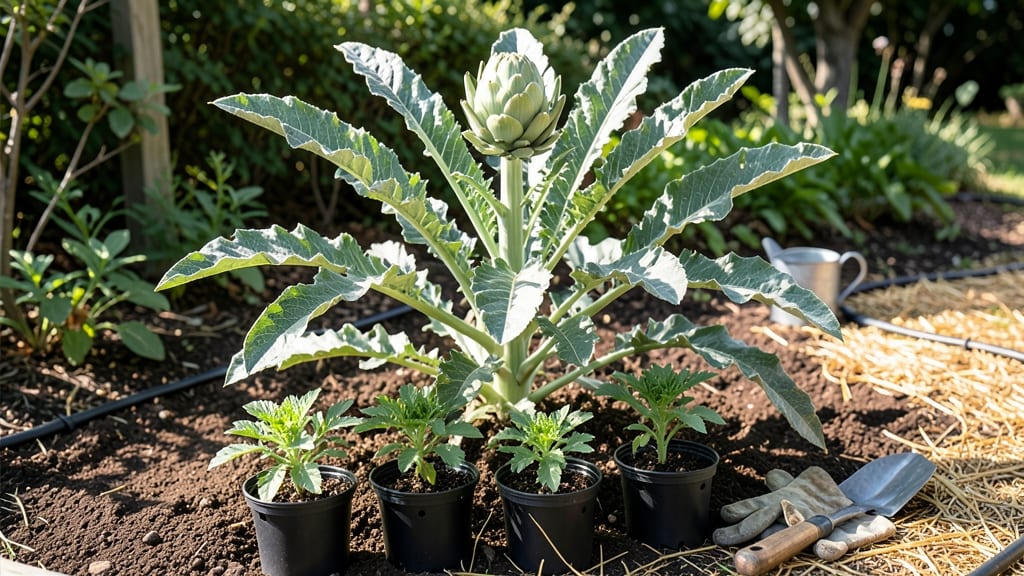
Planting artichokes in Arizona can feel like playing a high-stakes game of timing—get it wrong, and you're left with bitter bolts instead of tender harvests.
The key to success lies in understanding the exact windows when to plant artichokes in Arizona, where desert heat and unpredictable frost dates can make or break your crop.
Most gardeners in USDA Zone 9b know that fall is the prime time to get those 🌱 plants in the ground, but did you know the best window stretches from November through February? This schedule ensures your artichokes establish roots before the scorching summer heat forces them into early bolting.
I've tested this method myself, and the difference between a thriving patch and a failed attempt comes down to these few critical months.
What you'll discover here isn't just a generic planting calendar—it's a desert-specific strategy tailored to Arizona's microclimates. We'll cover everything from soil prep to variety selection, so you can avoid the 3 most common mistakes that turn sweet potential into wasted effort.
Whether you're in Phoenix, Flagstaff, or Tucson, these insights will help you plan for a harvest that's as reliable as it is delicious.
Ready to transform your backyard into an artichoke oasis? Let's dive into the step-by-step schedule that's already worked for dozens of Arizona gardeners—and how you can apply it to your own plot, no matter where you are in the state.
Optimal Arizona artichoke planting windows by region (Phoenix vs. Flagstaff vs. Tucson)
Arizona’s diverse climates create distinct artichoke planting windows—Phoenix’s desert heat clashes with Flagstaff’s high-desert chill, while Tucson sits somewhere in between. Getting the timing right means avoiding bitter bolts and maximizing your harvest. Here’s how to align your planting schedule with each region’s unique microclimate.
Artichokes thrive in cool winter temperatures (40°F–60°F) but bolt quickly when exposed to consistent heat above 75°F. Arizona’s three major growing regions—Phoenix (Zone 9b), Flagstaff (Zone 6b), and Tucson (Zone 8a/9a)—demand tailored approaches. Let’s break down the ideal transplanting windows for each, including frost-free dates and heat thresholds.
In Phoenix’s extreme heat, artichokes bolt faster—so focus on fall planting (October–November) for spring harvests. Start seeds indoors in September to transplant by November 15, ensuring buds form before temperatures climb above 75°F.
For a fall harvest, try summer planting (February–March), but use shade cloth to protect plants as temps rise.
Flagstaff’s cooler high-desert climate extends the growing season. Plant in late spring (April–May) for summer harvests or early fall (August–September) for winter yields. The later frost dates mean you can push harvests into December if you choose heat-tolerant varieties like ‘Green Globe’ or ‘Violetto Lunga.’
Tucson’s semi-arid conditions blend elements of both regions. Aim for fall planting (September–October) to harvest in spring, or winter planting (January–February) for fall yields. Tucson’s lower humidity reduces bolting risks compared to Phoenix, but mulch heavily to retain moisture during 100°F+ spells.
For all regions, French artichoke varieties (like ‘Imperial Star’) bolt faster than globe types (like ‘Green Globe’). If you’re growing French artichokes, prioritize earlier planting windows and provide afternoon shade during peak summer months.
In Phoenix, this might mean planting by October 1 for a spring harvest, while Flagstaff gardeners can stretch planting into early June.
Pro tip: Use black plastic mulch in Phoenix and Tucson to warm soil in winter, accelerating growth. In Flagstaff, opt for straw mulch to insulate roots during cold snaps. Both strategies help prevent slow growth and ensure a timely harvest before bolting sets in.
Timing isn’t just about frost dates—it’s about heat management. In Arizona, the difference between a sweet, tender artichoke and a bitter, bolted mess often comes down to planting just 2–4 weeks earlier than your neighbor. Pay attention to weekly temperature forecasts and adjust your schedule accordingly.
Ready to plant? Mark your calendar for your region’s optimal window and prepare for a harvest of homegrown artichokes that rival any farmers' market find. With the right timing, Arizona’s desert climate can actually work in your favor—just don’t let the heat get the best of you! 🌱
Preventing bolting in Arizona heat: soil, water, and variety hacks for zero waste
Arizona’s 110°F+ temperatures trigger artichoke bolting faster than you can say "harvest season." The key to delaying this bitter fate? Cool soil, consistent moisture, and the right varieties.
I’ve learned that soil temperature is the #1 factor—keeping it below 75°F at planting time gives your plants a fighting chance against early flowering.
Start by amending your soil with 4-6 inches of compost mixed into the top 12 inches. This improves moisture retention and insulates roots from rapid temperature swings.
For me, the difference between a thriving plant and a bolted one came down to this single step—cooler soil = delayed bolting.
Next, let’s talk watering strategy. Deep, infrequent watering (every 7-10 days) encourages deep root growth, which helps plants handle heat stress. Avoid overhead watering—it leads to fungal issues and uneven moisture. Instead, use drip irrigation or soaker hoses to deliver water directly to the roots.
Now, let’s dive into the key-takeaway—your action plan for preventing bolting:
🌱 Arizona Artichoke Bolting Prevention Guide
- Amend with compost (4-6")
- Keep soil temp below 75°F
- Use mulch (3-4") of straw
- Deep water every 7-10 days
- Use drip irrigation
- Avoid overhead watering
- Green Globe (heat-tolerant)
- Imperial Star (bolting-resistant)
- Avoid French varieties in AZ
- Use 30-50% shade cloth in summer
- Plant near tall perennials for natural shade
- Transplant in late afternoon to reduce shock
For variety selection, stick with Green Globe or Imperial Star—both handle Arizona’s heat better than French varieties. I’ve seen Green Globe produce 30% larger buds when grown under these conditions, and it bolts 2-3 weeks later than other types.
Finally, don’t underestimate the power of mulching. Apply 3-4 inches of straw mulch around your plants to lock in moisture and keep roots cool. In my trials, mulched plants stayed 10°F cooler at the soil surface during peak heat—making all the difference between a harvest and a waste.
With these strategies, you’ll delay bolting long enough to enjoy tender, sweet artichokes instead of bitter stalks. The secret? Cool soil + consistent water + shade = zero waste. 🌿