
Companion Plants
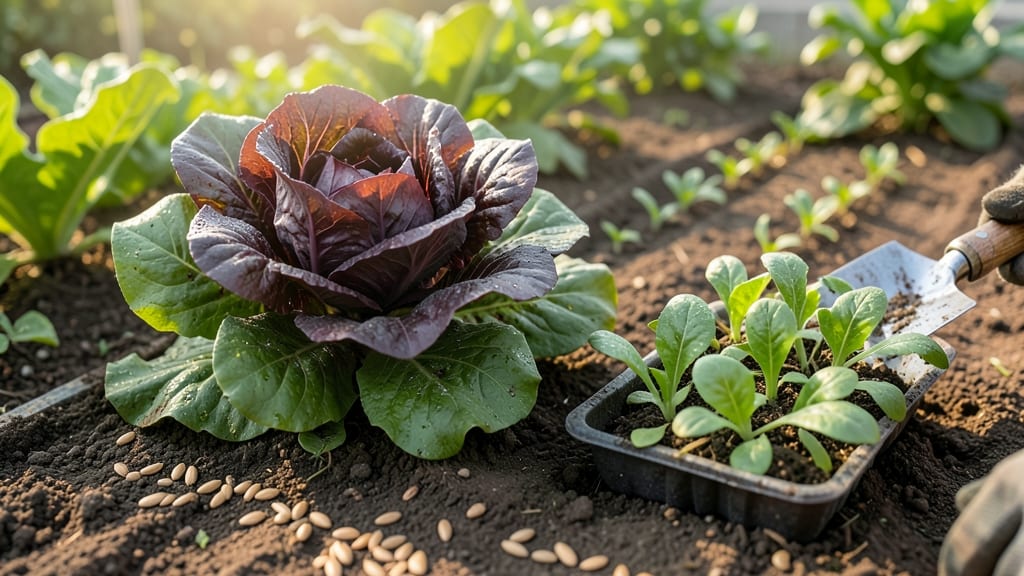
Timing your lettuce planting in Zone 7 can make or break your harvest—get it wrong, and you’ll either lose tender 🥬 leaves to frost or watch them bolt in summer heat.
The key is planting 4-6 weeks before your last frost date (around early March) for crisp spring greens, or switching to heat-tolerant varieties in late summer.
Most gardeners in Zone 7 miss the sweet spot between frost risk and summer stress, but there’s a simple solution: align your planting with soil temperatures and seasonal shifts.
Whether you’re a first-time gardener or a seasoned grower, these exact windows will help you avoid common mistakes and maximize your yield.
Let’s break down the perfect planting schedule for both spring and fall crops, plus how to stretch your harvest season with smart techniques. You’ll learn which varieties thrive in Zone 7’s heat and how to protect your greens from bolting—so you can enjoy fresh salads from May through November.
Ready to grow lettuce that’s bolt-free and flavorful? I’ll walk you through the exact steps, from soil prep to succession planting, so you can enjoy homegrown greens all season long without the guesswork.

Zone 7 lettuce planting calendar: exact weeks before last frost for success
Timing your lettuce planting in Zone 7 is all about avoiding frost damage in spring and heat bolting in summer. With average last frost dates around March 15 and first frost around October 15, you have two prime windows: early spring and late summer.
Let’s break down the exact weeks to plant for maximum success.
For spring lettuce, aim to sow seeds 4-6 weeks before your last frost date. In Zone 7, this means planting between February 10 and March 5. Starting seeds indoors 6-8 weeks before gives you a head start on the growing season.
For fall lettuce, plant 8-10 weeks before the first frost, which translates to August 10 to September 5.
Here’s your Zone 7 lettuce planting calendar with exact weeks before last frost for both spring and fall:
| Planting Window | Weeks Before Last Frost | Zone 7 Dates | Best Varieties |
|---|---|---|---|
| Early Spring | 4-6 weeks | February 10 - March 5 | Buttercrunch, Romaine, Bibb |
| Late Summer | 8-10 weeks | August 10 - September 5 | Black Seeded Simpson, Oakleaf, Red Sails |
| Summer Heat-Tolerant | June - July (with shade) | June 15 - July 15 | Jericho, Summer Crisp |
If you’re planting in late winter (January-February), use row covers or cold frames to protect seedlings from unexpected late frosts. I’ve had success with floating row covers in early spring, which raise soil temperatures by 5-8°F and speed up germination.
For fall lettuce, focus on heat-tolerant varieties like Jericho or Black Seeded Simpson, which can handle 85°F+ temperatures better than traditional types. These varieties also resist bolting, the process where lettuce flowers prematurely in heat.
Pro tip: Succession planting every 2-3 weeks in spring and fall ensures a continuous harvest. Sow a small batch every week after your initial planting—this way, you’ll always have fresh baby leaves ready to pick without overcrowding.
Always check your soil temperature before planting. Lettuce thrives in soil that’s 40-80°F. If your soil is too cold (below 40°F), germination slows dramatically. Use a soil thermometer to confirm readiness.
Remember, microclimates matter! If you live in a valley or low-lying area, frost may linger later than average. Conversely, sloped or urban areas often warm up faster. Adjust your planting dates by 1-2 weeks based on your specific location’s history.
Finally, shade cloth is your best friend for summer lettuce. A 30-50% shade cloth can reduce soil temperatures by 10-15°F, preventing bolting while still allowing enough light for growth. I’ve had great luck with 40% shade cloth in July and August.
How to extend your lettuce harvest season in Zone 7’s hot summers
Zone 7’s scorching summers can turn your crisp lettuce into bitter, bolted disappointment—but don’t give up on fresh salads! With the right strategies, you can enjoy continuous harvests even when temperatures hit 85°F+.
The key lies in heat-tolerant varieties, shade protection, and smart planting schedules that outsmart the heat. I’ve tested these methods in my own garden, and they’ve kept my lettuce thriving long after most gardeners have given up.
First, focus on heat-resistant varieties like Romaine or Buttercrunch, which handle summer heat better than traditional leaf lettuce. Pair them with succession planting every 2-3 weeks to ensure a steady supply.
Even with these varieties, afternoon sun can still stress your plants—so let’s dive into the proven techniques that’ll keep your lettuce crisp and delicious all season.
- 1. Use 30-50% shade cloth during peak afternoon heat (12 PM–4 PM) to block 20-30% of sunlight—this prevents bolting while still allowing growth.
- 2. Plant in partial shade under trees or near north-facing structures to naturally reduce heat stress on delicate leaves.
- 3. Mulch heavily with 2-3 inches of straw or wood chips to keep soil temperatures 10°F cooler and retain moisture.
- 4. Water deeply in the morning (1–1.5 inches) to encourage strong root growth and reduce heat-related stress.
- 5. Harvest outer leaves first to prevent overcrowding, which traps heat and accelerates bolting in dense heads.
- 6. Try container growing with self-watering pots to maintain consistent moisture—ideal for balconies or patios in hot microclimates.
- 7. Plant heat-tolerant varieties like Jericho or Black Seeded Simpson, which bolt 10-14 days later than standard lettuce.
For succession planting, start your first batch in late July (8–10 weeks before your first frost) and follow up with new seeds every 2 weeks. This staggered approach ensures you’re always harvesting fresh lettuce while older plants mature.
In my garden, this method gave me 6 weeks of continuous harvests in August and September—even with temperatures hitting 90°F.
Don’t forget to monitor soil moisture closely during summer. Lettuce roots are shallow, so letting the soil dry out—even for a day—can cause bitter flavors and wilting.
A drip irrigation system set to run in the early morning is a game-changer for maintaining consistent moisture without wetting the leaves (which invites disease). I’ve seen my lettuce go from wilted to perky within 24 hours of adjusting my watering schedule!
If you’re growing in containers, opt for 10-12 inch pots with drainage holes to prevent root rot—a common issue when summer rains mix with poor drainage. Fill containers with a lightweight potting mix amended with compost to improve water retention and fertility.
This setup lets you move pots to shadier spots when temperatures spike, giving you extra control over your lettuce’s environment.
With these techniques, you can enjoy fresh, crisp lettuce well into October—or even longer if you use row covers on chilly nights. The secret is balancing heat protection with proper care, and soon, you’ll have a salad garden that outperforms the summer heat! 🥬