
Plants
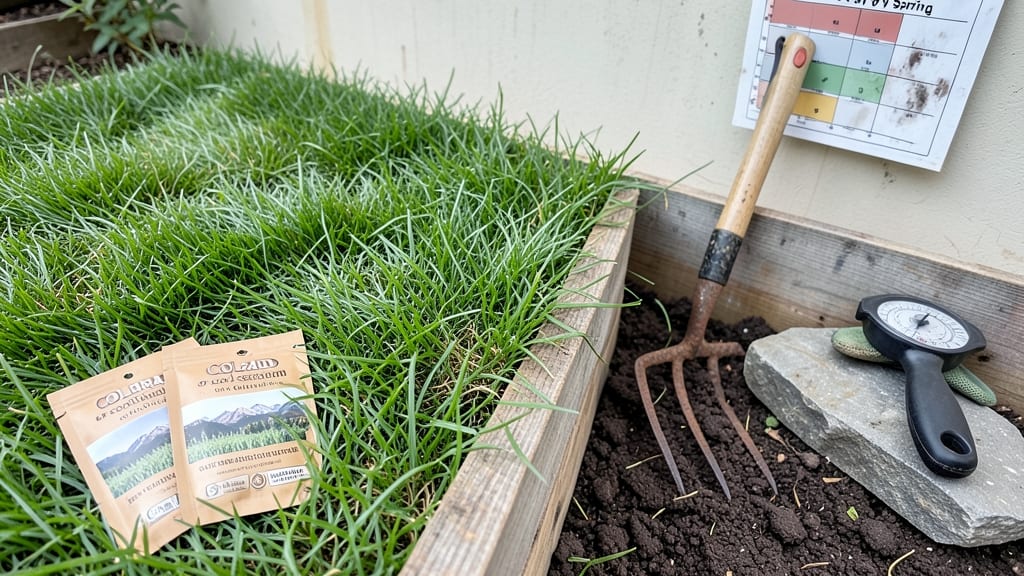
Planting grass seed in Colorado at the wrong time can mean wasted money and months of waiting for a lush lawn—especially when soil temperatures and frost dates shift dramatically across regions like the Front Range or High Plains.
Timing isn’t just about months; it’s about soil warmth and microclimates that can push your planting window earlier in spring or later into fall. Get it right, and you’ll see germination in 7-21 days—get it wrong, and you’re fighting drought or frost.
Here’s how to nail it for your specific zone.
I’ve broken down the best planting windows by Colorado region, including when to prep soil, which seed types thrive in your area, and how to adjust for elevation or urban heat islands. Whether you’re in Denver or the Western Slope, these insights will help you avoid common mistakes.
Ready to transform your yard? Let’s dive into the exact conditions that guarantee strong roots and a green lawn—without the guesswork.
Optimal soil temperature and planting windows by Colorado region
Colorado’s diverse microclimates mean your grass seed timing depends on where you live. Cool-season grasses like Kentucky bluegrass and fescue thrive when soil temps stay between 50-65°F. Too cold, and seeds won’t germinate; too hot, and they’ll dry out before sprouting.
Let’s break down the best planting windows by region to help you avoid common mistakes.
Most Colorado gardeners focus on two planting windows: early spring (March-April) and early fall (August-September). Spring planting gives seeds time to establish before summer heat, while fall planting avoids drought stress and provides cooler soil temps.
However, your specific elevation and local frost dates will shift these windows by weeks.
Here’s how to match your region’s climate to the perfect planting time:
For the Front Range, aim to plant when daytime highs hit 60°F consistently. In Denver, this usually lands in mid-March, but monitor soil temps—if they dip below 50°F at night, delay planting.
Fall is your second chance, but stop by mid-September to allow roots to establish before winter dormancy.
On the Western Slope, higher elevations like Aspen (8,000 ft) may need to wait until late April for spring planting. Use a soil thermometer to confirm temps are stable above 55°F before seeding. Fall planting here can extend into early October thanks to milder nights.
The Eastern Plains offer earlier windows due to lower elevations. Colorado Springs gardeners can start as early as late February, but avoid planting if nighttime temps drop below 40°F. In drier areas, mulch heavily to prevent seed desiccation during establishment.
High Plains regions like Yuma face unique challenges with strong winds and dry air. Plant in early April when winds calm slightly, and use a protective netting to shield seeds. Fall planting here must finish by early September to avoid early frosts.
Pro tip: If you miss the ideal window, consider overseeding in late summer (July) for a fast-growing cover before your main fall planting. Just be prepared to water daily during Colorado’s dry spells to keep seeds moist.
Remember, soil temperature is more critical than air temperature. Bury a soil thermometer 2 inches deep in your yard for 3-5 days to confirm consistency. If temps fluctuate wildly, wait a week or two—patience now means a thicker, healthier lawn later.
🌱
Microclimate factors that change your planting timeline in Colorado
Colorado's dramatic elevation shifts and urban heat pockets create microclimates that can shift your grass seed planting window by weeks. At 5,280 feet in Denver, you might plant in early April, while mountain valleys at 8,000 feet could wait until May.
These variations affect soil warmth, wind exposure, and even urban heat retention—all critical for germination.
Sun exposure plays a surprising role too. South-facing slopes warm up 10-15°F faster than north-facing areas, letting you plant 2-3 weeks earlier in sunny spots. Meanwhile, urban heat islands in cities like Colorado Springs can create microclimates where spring arrives 1-2 weeks ahead of rural areas just 10 miles away.
🌱 Colorado Microclimate Planting Adjustments
| Microclimate Factor | Planting Adjustment | Example Location |
|---|---|---|
| Elevation | Delay by 1-2 weeks per 1,000ft gain | Eagle County (8,000ft) |
| Urban Heat | Plant 1-2 weeks earlier than rural | Denver downtown |
| Wind Exposure | Wait until soil reaches 60°F | Western Slope plains |
| Valley Frost | Delay until after May 15 | Grand Junction |
💡 Pro Tip: Use a soil thermometer at 2" depth—ideal range is 50-65°F for cool-season grasses.
Wind patterns also demand attention. Areas like the Western Slope experience chronic drying winds that require waiting until soil temperatures hit 60°F—about 10 days later than sheltered Front Range locations. Test this by checking if your hand feels warm 1 inch below soil surface for 5 seconds.
Don't overlook urban vs. rural differences either. Concrete and asphalt in cities like Aurora or Colorado Springs can create "heat domes" that let you plant grass seed 7-10 days earlier than nearby farmland. Monitor local weather stations—they often track these microclimate variations better than general forecasts.
For mountain valleys, watch for frost pockets that can delay planting until after May 15. These areas often experience late spring frosts even when Denver has already warmed. A simple trick: plant warm-season grasses like buffalo grass in these zones—they tolerate cooler soils better.
Adjust your planting timeline by observing these microclimate clues, and you'll avoid the #1 mistake Colorado gardeners make: planting too early and risking frost damage to tender seedlings. Patience pays off with a thicker, more resilient lawn. 🌱