
Companion Plants
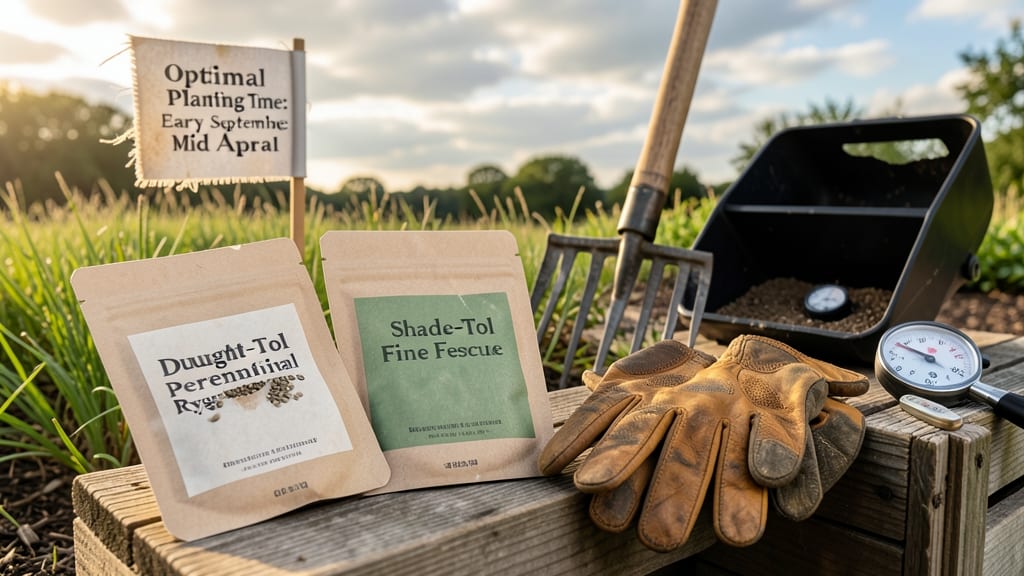
Planting grass seed in Colorado at the wrong time can turn your investment into a wasted effort—especially when elevation shifts and frost dates vary wildly across the state. Whether you're in Denver's Front Range or the high country near 7,000 feet, timing matters more than most gardeners realize.
The key to success lies in understanding your local climate zone. Early spring (March-April) or early fall (August-September) are your best bets, but exact dates depend on whether you're in USDA zones 4-7.
I’ll break down the exact windows by elevation so you can avoid the common mistakes that leave lawns thin or patchy.
You’ll also discover how to prep your soil for Colorado’s unique conditions—alkaline soils and drought risks included—and which grass types thrive at different altitudes. No more guessing games: just proven strategies for a lush lawn that stands up to the unpredictable weather.
Let’s get started with the exact planting schedule tailored to your corner of Colorado, so you can enjoy that green carpet sooner than you think.
Best months to plant grass seed in Colorado by elevation zone
Colorado’s elevation ranges from 3,000 feet on the plains to over 14,000 feet in the mountains, creating wildly different planting windows for grass seed. At lower elevations, warm-season grasses like Bermuda thrive in late spring, while cool-season varieties like Kentucky bluegrass need early fall.
Higher up, the growing season shrinks dramatically—planting too early risks frost damage, and waiting too long means seeds won’t germinate before winter. Let’s break down the best times for each zone to avoid wasted effort and achieve a thick, green lawn.
Your elevation determines soil temperature, frost dates, and even rainfall patterns. For example, Denver (5,280 ft) has a 120-day frost-free season, while Steamboat Springs (6,700 ft) only gets 90 days.
This means grass seed planted in April in Denver might still face frost, while the same timing in Steamboat could fail entirely. Understanding these differences saves you from seed waste and uneven germination.
Here’s a zone-by-zone breakdown of the best months to plant grass seed, including temperature thresholds and frost risk analysis to help you pick the perfect window:
In lowland areas (3,000–5,000 ft), like the Front Range or Eastern Plains, you can start planting as early as late March for cool-season grasses.
However, wait until soil temperatures hit at least 50°F to avoid germination delays. Bermuda grass, a warm-season favorite, should wait until late April or May when daytime temps consistently stay above 65°F. Fall planting in August–September is ideal for cool-season grasses to establish roots before winter.
For foothills (5,000–7,000 ft), such as Colorado Springs or Fort Collins, the window narrows. Plant cool-season grasses in April–May when soil warms to 55°F, but avoid early spring if frost is still a threat.
Warm-season grasses like Zoysia need to wait until June when the ground is reliably above 60°F. Fall planting shifts to July–August to allow seeds time to germinate before the first frost, typically around mid-October.
At mountain elevations (7,000+ ft), like Telluride or Leadville, the growing season is short, so timing is critical. Cool-season grasses like creeping red fescue should be planted in May–June when soil temps reach 60°F.
Fall planting is limited to July—any later, and seeds may not establish before frost hits by early September. Warm-season grasses rarely thrive this high, but if you attempt them, wait until late June when nights stay above 50°F.
One common mistake is relying on calendar months instead of soil temperature. For example, planting in March in the mountains might feel early, but if the soil is 60°F and frost-free, it’s perfect.
Use a soil thermometer ($10–$15 at garden centers) to check depth—ideal planting depth is 2–4 inches below the surface. If temps are too cold, wait even if your neighbor is planting. Patience here means the difference between a sparse lawn and a thick, lush carpet.
Another pro tip: Seed selection matters. At higher elevations, cool-season grasses like fine fescue handle shorter seasons better than Kentucky bluegrass, which struggles above 6,500 ft. For lowlands, tall fescue or Bermuda are tougher choices.
Check seed labels for "elevation-adapted" varieties—these are bred to germinate faster in cooler soils. Mixing seed types can also improve success
Key factors that determine your exact planting date in Colorado
Colorado’s diverse elevation zones mean a one-size-fits-all planting date doesn’t work. While many gardeners default to calendar months, your exact planting window depends on three critical factors: soil temperature, last frost dates, and precipitation patterns.
Ignoring these can leave your grass seed struggling or even failing to germinate.
For example, Denver’s average last frost date is April 15, but if you’re in Telluride (8,500 ft), frost lingers until May 15—or later. Soil temperature matters just as much: seeds need 50°F (10°C) soil to sprout, and cold, wet springs can delay this for weeks.
Let’s break down how to pinpoint your ideal date using local data.
🌱
Don’t rely solely on calendar months—even if your neighbor plants in March, their microclimate might be completely different. For instance, Grand Junction (4,500 ft) can plant 2 weeks earlier than Fort Collins (5,000 ft) due to warmer temperatures. Always verify with a local extension office or weather station.
Another pro tip: Cool-season grasses (like fescue) thrive when planted in early fall, while warm-season grasses (like Bermuda) need late spring. Match your seed type to your climate zone to avoid disappointment.
For example, tall fescue germinates best at 60–70°F soil, which may not align with your spring planting window.
Finally, use Colorado’s Plant Hardiness Map to cross-reference your USDA zone with elevation. A zone 5b in Denver might behave like a 4b in the mountains—so adjust your timeline accordingly. With these factors in mind, you’ll plant at the perfect moment for germination and growth.
☀️🌱