
Plants
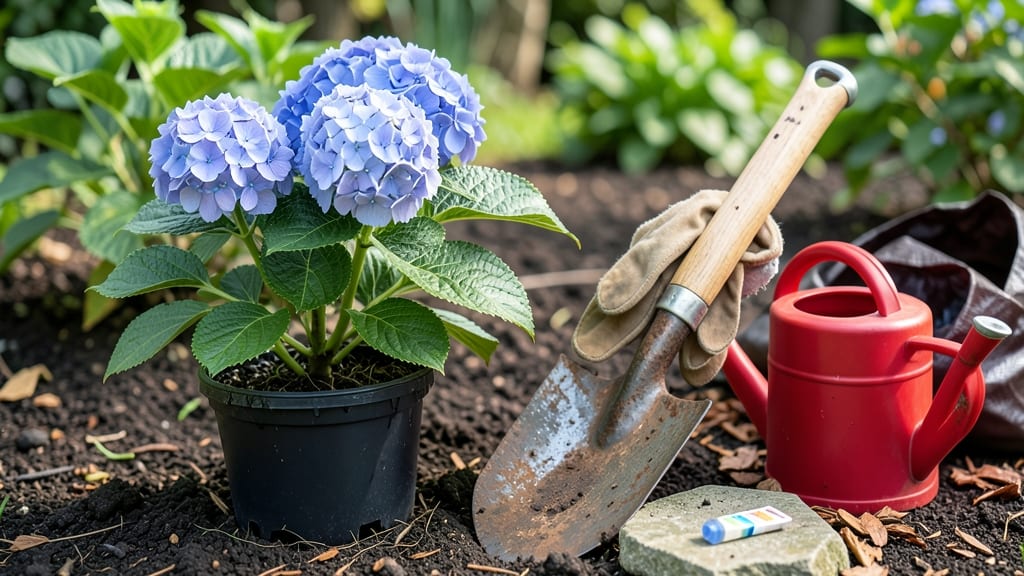
When can you plant hydrangeas in the ground? Timing your hydrangea planting just right can mean the difference between a thriving 🌸 shrub and one that struggles to take root. If you've ever wondered whether spring or fall is better for planting these beauties in your zone, you're not alone—many gardeners get this wrong, and the consequences show up in their blooms (or lack thereof).
The truth is, the ideal window depends on where you live and your local frost dates. In USDA Zone 6a, like many northern gardens, fall planting gives roots a head start before winter, while spring offers a gentler transition as temperatures warm.
But get it wrong, and you might end up with wilted leaves or delayed blooms—so let’s break down the science behind each season.
What you’ll discover here is how to read your climate like a pro, avoid common mistakes that kill hydrangeas, and even adjust your approach if you’ve already planted outside the sweet spot.
Whether you’re a first-time gardener or a seasoned green thumb, these insights will help you time your planting for maximum success—and fewer headaches.
Ready to transform your garden into a hydrangea haven? Let’s dive into the best months to plant, what to watch for, and how to give your new shrubs the perfect start. Your future blooms will thank you!
Best hydrangea planting seasons by climate Zone: spring vs fall breakdown
Deciding between spring and fall planting for hydrangeas depends entirely on your USDA hardiness zone and local climate patterns. In cooler regions like Zones 3-6, fall planting gives roots time to establish before winter, while warmer Zones 8-10 often favor spring to avoid summer heat stress.
Let’s break down the science behind each season’s advantages and risks, so you can choose the perfect window for your garden.
The key to successful hydrangea planting lies in soil temperature and frost timing. Roots thrive when soil stays between 60–70°F—ideal for fall planting in most northern climates. However, in southern zones, summer heat can stress newly planted shrubs, making spring the safer bet.
Below, we’ll compare both seasons zone by zone, including root establishment risks and bloom timing impacts.
| Climate Zone | Spring Planting Window | Fall Planting Window | Root Establishment Risk | Bloom Timing Impact | Pro Tips |
|---|---|---|---|---|---|
| Zones 3-6 | After last frost (April–May) | 6–8 weeks before first frost (Sept–Oct) | Low (fall) / Medium (spring) | On-time (fall) / Delayed (spring) | Mulch heavily in fall; water deeply in spring. |
| Zones 7-8 | Early spring (March–April) | Late summer–early fall (Aug–Sept) | Medium (both seasons) | On-time (both) | Avoid summer heat; plant in partial shade. |
| Zones 9-10 | Best option (Feb–March) | Avoid (high risk) | Low (spring) / High (fall) | Early (spring) / Delayed (fall) | Use shade cloth in summer; water daily. |
In Zones 3-6, fall planting is the gold standard because it allows roots to grow slowly through autumn and winter, emerging stronger in spring. The 6-8 week window before first frost ensures roots harden off before cold sets in.
For example, in Zone 5, aim for planting in late September—this gives roots time to establish before ground freezes.
Conversely, Zones 8-10 see the opposite advice. Fall planting here risks summer heat stress or even winter dieback if planted too late. In Zone 9, where winters are mild, spring planting (February–March) avoids these pitfalls entirely.
The trade-off? Hydrangeas may bloom slightly later if planted in spring, but the risk of failure drops dramatically.
Regional exceptions exist, though. In Pacific Northwest climates (Zone 7-8), fall planting works well due to mild winters, but spring planting is still safer if summers are dry. Meanwhile, in Deep South zones (9-10), avoid fall planting entirely—opt for early spring to beat the heat.
Always check your local last frost date and first frost date for precision.
Another critical factor is hydrangea variety. Oakleaf hydrangeas handle fall planting better than mophead varieties, which may struggle in cooler fall soils. Panicle hydrangeas are more adaptable, thriving in both seasons if planted correctly.
When in doubt, consult your local nursery for zone-specific recommendations—they often know the best local timing based on microclimates.
Pro tip: If you’re on the fence, bare-root hydrangeas planted in fall establish faster than potted plants. For container-grown shrubs, spring planting gives you more control over soil conditions. Always amend soil with compost and water deeply after planting—this is non-negotiable for root health in either season.
Remember, the goal is root establishment before stress. Whether you choose spring or fall, prioritize soil temperature, frost timing, and seasonal care adjustments. With the right timing, your hydrangeas will reward you with vibrant blooms for years to come.
🌸
How to tell if you’re planting hydrangeas too early or too late (signs to watch for)
Planting hydrangeas outside their ideal window can stress your shrubs, leading to poor blooms or even death. The key is recognizing early signs of timing-related stress, which often appear within weeks of planting.
Whether you planted in late spring heat or early fall frost, your hydrangeas will signal distress through subtle cues. Understanding these signs helps you adjust care and salvage your plants before permanent damage occurs.
One of the first red flags is leaf scorch—crispy, brown edges on leaves—often caused by planting in hot, dry conditions. This happens when roots can’t absorb enough water to cool the plant. Another warning is stunted growth, where new shoots appear weak or fail to emerge entirely.
Both issues suggest the plant is struggling to establish roots due to poor soil temperatures or environmental extremes.
🌱
In USDA Zone 9, fall planting of mophead hydrangeas (like 'Endless Summer') risks root rot from prolonged warmth and moisture. These hydrangeas need cooler soil temps (60–70°F) to establish roots—planting in late fall (after October 15) delays dormancy and invites fungal diseases. Instead, opt for early fall (September) or spring planting.
🌿 Pro Tip: Test soil temp with a soil thermometer—if above 75°F, wait 2–4 weeks before planting.
Fungal infections are another common issue when hydrangeas are planted at the wrong time.
Look for dark spots on leaves or powdery mildew on stems, which thrive in wet, warm conditions after late spring planting. Panicle hydrangeas (like 'Limelight') are especially vulnerable, as their rapid growth in heat can overwhelm weak roots.
If you spot these signs, prune affected leaves immediately and improve airflow around the plant.
Even if your hydrangeas show early stress, recovery is possible with the right adjustments. For late spring plantings, provide afternoon shade and mulch heavily to retain moisture.
If planted too early in fall, delay fertilizing until spring and add an extra layer of mulch to insulate roots. Consistent watering—deep soaks every 5–7 days—helps roots catch up, especially in hot or dry climates.
Hydrangea types also react differently to timing. Oakleaf hydrangeas tolerate fall planting better than bigleaf varieties, which prefer cooler spring soil. Panicle hydrangeas are the most adaptable, handling both seasons well if soil temps are ideal.
Always check your specific variety’s USDA zone recommendations—some, like 'Nikko Blue,' thrive in Zones 5–9 but need precise timing in Zone 9’s heat.
🌿 By acting quickly when you spot these signs, you can turn a struggling hydrangea into a thriving shrub. Pay attention to leaf color, growth patterns, and soil conditions—your hydrangeas will thank you with vibrant blooms next season!