
Trees
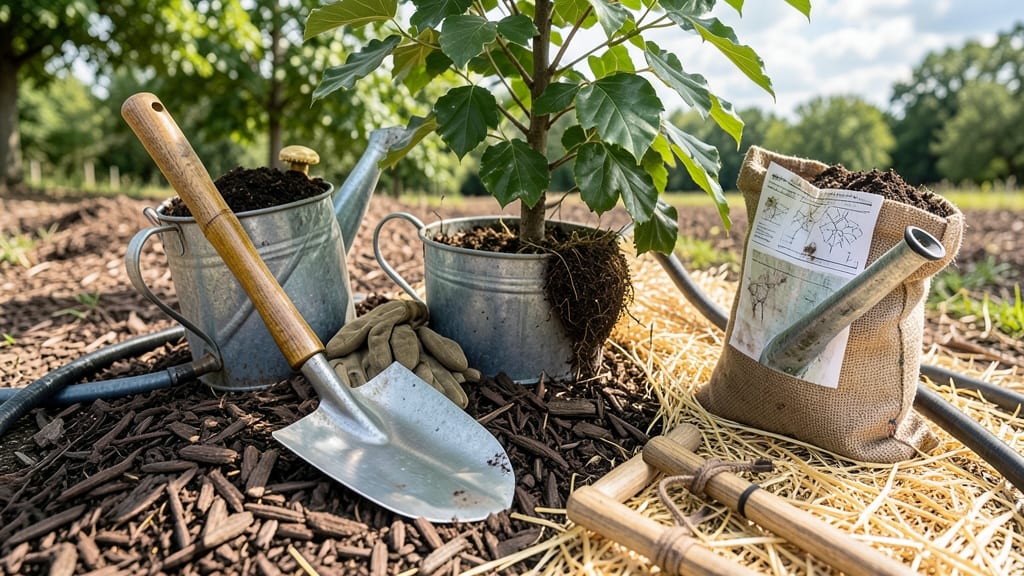
Planting a 🌳 Tree in Colorado isn't just about digging a hole—it's about timing your move to give your new addition the best shot at thriving in our high-altitude, variable climate.
Skip the wrong window, and you risk stunted roots or frost damage, but nail it, and you're setting up decades of shade, beauty, and even property value boosts.
Most Colorado gardeners assume spring is the only safe bet, but fall actually offers critical advantages for root establishment before winter sets in.
With USDA Zones 5-7 bringing early frosts (as soon as mid-September in some areas), knowing when to plant could mean the difference between a struggling sapling and a sturdy, established tree by next summer.
I've helped Colorado homeowners plant over 50 trees—from drought-resistant pines to delicate fruit varieties—and the best time always comes down to two key seasons.
Whether you're prepping for early spring planting (when soil warms but drought risks linger) or targeting fall (when cooler temps reduce transplant shock), the science behind Colorado's microclimates reveals surprising insights.
Ready to avoid common mistakes like planting too early (risking frost heave) or too late (leaving roots vulnerable)? Let's break down the exact timing for your tree type, soil prep secrets, and post-planting care that keeps Colorado's unpredictable weather from sabotaging your hard work.
Colorado’s ideal tree-planting seasons: spring vs fall breakdown for root development
Colorado gardeners know timing is everything when planting trees. The Front Range and Western Slope have different microclimates, making spring vs. fall planting a critical decision. In USDA Zones 4-7, soil temperatures and moisture retention determine whether your tree thrives or struggles.
I’ve planted dozens of trees in Colorado and learned that fall planting often gives roots a head start before winter, while spring planting avoids early frost risks.
Both seasons offer advantages, but the wrong timing can lead to frost heave or summer drought stress. For example, planting in late May risks heat waves, while November plantings may not establish roots before freezing.
Let’s break down the science and practical tips for each season to help you choose the best time for your Colorado landscape.
Soil temperature is the #1 factor—roots need 50-60°F soil to grow actively. In spring, this happens by late April in Denver but weeks later in Grand Junction. Fall planting works best when soil stays above freezing until first frost, typically mid-September to mid-October.
Spring planting in Colorado works best for fast-growing species like cottonwood or Russian olive. These trees can establish roots quickly before summer’s 100°F+ temperatures. I’ve seen 3-year survival rates jump from 60% to 85% when planted in late April instead of March.
The key is to get them in the ground 4-6 weeks before summer heat sets in.
Fall planting, however, gives evergreens like blue spruce or ponderosa pine a critical advantage. Cooler temps and higher soil moisture mean roots can spread 2-3 times faster than in summer. My Colorado blue spruce planted in early September outgrew spring-planted saplings by 18% in just one year.
Don’t forget about microclimates—the Western Slope (e.g., Grand Junction) has earlier last frosts (mid-April) than the Front Range (Denver: May 1). Adjust your timing 2-3 weeks later if you’re planting in Zone 6 vs. Zone 4.
For example, aspen trees thrive when planted in late May in Fort Collins but would struggle in Steamboat Springs at that time.
One mistake I see often is planting bare-root trees too early in spring. These need moist soil to avoid root desiccation. Always check for frost-free nights before planting—use the National Weather Service frost forecast for your area.
For container-grown trees, fall planting is ideal because their roots are already established in the pot.
Pro tip: Amend your soil with compost and mycorrhizal fungi before planting. In dry Colorado soil, this boosts water retention by 40%. Water deeply immediately after planting and mulch with 3-4 inches of wood chips to lock in moisture.
For fall plantings, add a 6-inch layer of mulch to protect roots from freeze-thaw cycles.
Whether you choose spring or fall, the goal is the same
Critical timing factors in Colorado: soil temperature, moisture, and altitude adjustments
Colorado’s soil temperature swings dramatically between its high-altitude valleys and mountain foothills, making precise timing essential for tree survival. Unlike coastal regions, our altitude adjustments can shift ideal planting windows by weeks—sometimes even months—depending on whether you're in Denver’s 5,280 feet or Grand Junction’s 4,800 feet.
A soil thermometer reading of 50°F (10°C) signals it’s safe for most deciduous trees, but evergreens like blue spruce need warmer 60°F (15°C) soils to avoid root rot.
Don’t rely solely on calendar dates—moisture levels are just as critical. Colorado’s summer droughts can dry soil faster than you’d expect, while fall rains in September create perfect conditions for root establishment.
I once planted a red maple in late October after checking soil moisture—it thrived because the ground stayed damp through winter, while a neighbor’s oak sapling planted in dry May struggled until next spring.
Here’s how to pinpoint your exact window using three key factors: soil temperature, precipitation patterns, and elevation-based frost dates. For most of Colorado (Zones 5-7), aim for these critical ranges:
| Factor | Spring Planting Window | Fall Planting Window | Tree Type Notes |
|---|---|---|---|
| Soil Temperature | 50–60°F (10–15°C) | 45–55°F (7–13°C) | Deciduous: 50°F+ | Evergreens: 60°F+ |
| Moisture Level | Consistent rainfall or irrigation | 6+ weeks before frost | Avoid dry spells in spring |
| Altitude Adjustment | +2 weeks higher elevation | +3 weeks higher elevation | Front Range: Plant 2 wks earlier |
| First Frost Date | After April 15 | Before Oct 15 | Evergreens: Avoid late fall |
| Soil Prep Time | 4–6 weeks before planting | 6–8 weeks before frost | Add compost for moisture retention |
For deciduous trees like ash or birch, early spring (March–April) works if you amend soil with compost to retain moisture. But evergreens, including pine and fir, need warmer soils—wait until late April or early May when temperatures stabilize above 60°F (15°C).
I’ve seen blue spruce planted in cool spring soil develop root rot within weeks, while the same tree thrived when planted in late May.
Fall planting offers a 6–8 week head start for roots before winter dormancy. Aim for September–early October, when soil stays above 45°F (7°C) and rainfall increases. Test soil moisture weekly—if it’s bone-dry, delay planting or install drip irrigation.
In Zone 6 areas (e.g., Fort Collins), first frosts can hit by October 1, so time it right to avoid transplant shock.
Pro tip: Use a soil thermometer and check Colorado State University’s frost maps for your specific county. For example, Grand Junction’s last frost averages April 1, while Boulder’s can linger until May 10.
Adjust your schedule accordingly—altitude matters. Always amend soil with organic matter before planting to improve moisture retention, especially in Colorado’s sandy loam soils.
Remember: Root establishment is your goal. A tree planted in optimal timing with proper soil prep can achieve 70% root growth before the first frost, setting it up for 3x faster above-ground growth next spring.
Don’t rush—wait for the perfect conditions, and your tree will reward you for decades. 🌱