
Plants
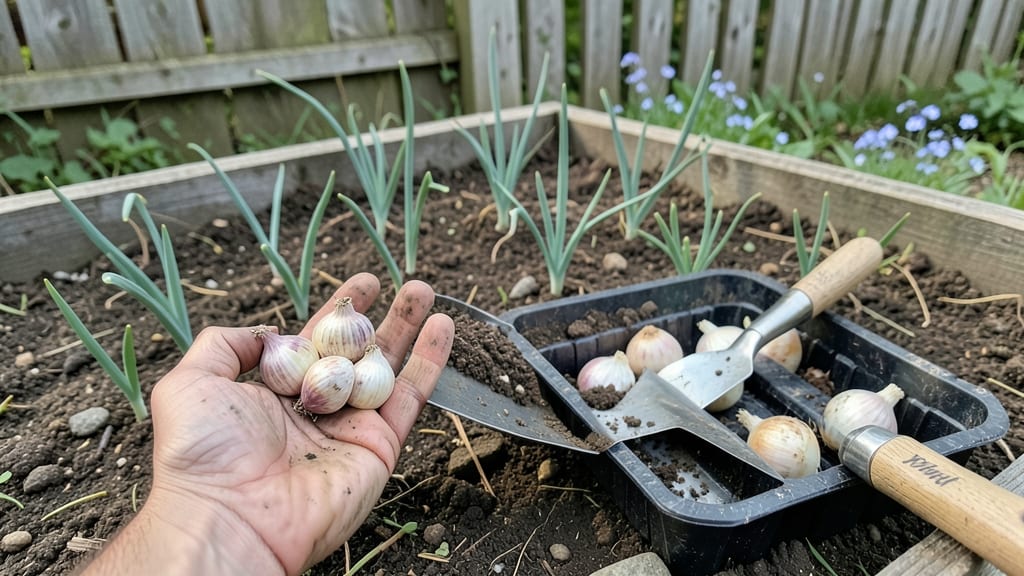
Planting onions in Ohio isn’t just about tossing them in the dirt—it’s about catching the perfect window between frost and heat to grow bulbs that actually store well.
Whether you’re a first-time gardener or a seasoned green thumb, getting the timing right means the difference between sweet, crisp onions and bitter, bolted greens.
With Ohio’s 6a climate and unpredictable spring weather, knowing when to plant—whether from sets, seeds, or transplants—can feel like solving a puzzle. But here’s the good news: spring and fall both offer prime opportunities, and I’ll break down exactly when to start for your specific onion variety.
Let’s talk chill hours—yes, onions need them too! Short-day, intermediate-day, and long-day varieties all have different needs, and planting at the wrong time can leave you with weak bulbs or no harvest at all.
I’ll walk you through the ideal planting schedule for Ohio’s microclimates, so you can avoid common mistakes like starting too early in cold soil.
Ready to grow onions that store like champions? By the end of this, you’ll know exactly when to plant for late-summer harvests, how to adjust for early frosts, and which methods work best for your garden. Let’s get started!
Ohio onion planting dates by chill-hour requirements
Ohio’s variable climate makes chill-hour requirements the key to successful onion growing. Unlike many veggies, onions need a specific number of cold hours (below 45°F) to form bulbs properly. Skip this step, and you’ll end up with bolt-prone greens instead of sweet, storage-worthy bulbs.
The good news? Ohio’s USDA Zone 6a climate offers two planting windows—spring and fall—that align perfectly with different onion types.
Onions fall into three categories based on daylight needs: short-day (300–900 chill hours), intermediate-day (900–1,200 chill hours), and long-day (1,200–1,600 chill hours). Ohio’s winters typically deliver 1,000–1,500 chill hours, making it ideal for intermediate and long-day varieties.
Short-day onions struggle here unless planted in fall for an early spring harvest. Let’s break down the best planting windows for each type to maximize your yield.
🌱 PRO TIP: Use onion sets (small bulbs) for spring planting—they’re faster and more reliable than seeds. For fall plantings, seeds or transplants work best since they establish roots before winter.
| Onion Type | Chill-Hour Needs | Best Planting Window | Ohio Variety Examples | Harvest Time |
|---|---|---|---|---|
| Short-Day | 300–900 hours | Late August–September (fall) | Texas Early White, Red Creole | Early June–July |
| Intermediate-Day | 900–1,200 hours | March–April (spring) or September (fall) | Yellow Sweet Spanish, Crystal Wax | July–August |
| Long-Day | 1,200–1,600 hours | March–April (spring only) | Sweet Sandwich, Texas Early White | August–September |
For spring planting, aim to get seeds or sets in the ground 4–6 weeks before Ohio’s last frost date (mid-April in most areas).
This gives plants enough time to establish roots before rapid spring growth begins. Long-day onions like Texas Early White are perfect for spring—plant them in early March for a late-summer harvest. If you miss this window, don’t worry: fall planting is just as productive.
Fall plantings are ideal for short-day and intermediate-day varieties. Sow seeds or sets in late August to early September, giving them time to develop strong roots before winter.
The cold stratification they receive over winter triggers bulb formation, so you’ll harvest earlier and larger onions than spring-planted varieties. Crystal Wax and Yellow Sweet Spanish are excellent choices for fall, as they thrive with Ohio’s 900–1,200 chill hours.
Northern Ohio gardeners (e.g., Cleveland, Toledo) should plant 1–2 weeks later than Southern Ohio (e.g., Columbus, Cincinnati) due to later frost dates. Use row covers or straw mulch to protect early spring plantings from late frosts, which can damage tender onion greens.
In warmer microclimates, like urban heat islands, consider shade cloth during peak summer to prevent bolting.
One common mistake? Assuming all onions are created equal. Short-day onions planted in spring will bolt (flower prematurely) because they lack sufficient chill hours. Conversely, long-day onions planted in fall may not form bulbs if they don’t get enough cold.
Match your variety to the planting window and chill-hour range—it’s the secret to consistent, high-quality harvests.
Ready to plant? Grab your onion sets or seeds, mark your calendar for March/April or August/September, and prepare your soil with compost and balanced fertilizer. With the right variety and timing, you’ll be pulling plump, flavorful onions in no time—just in time for grilling season!
Step-by-step guide: when to plant onions in Ohio’s microclimates
Ohio’s climate varies dramatically from the frostier north to the warmer southern regions, making onion planting a regional balancing act. In Northern Ohio (like Cleveland or Toledo), cold snaps linger later, while Southern Ohio (Cincinnati or Columbus) enjoys milder winters.
I’ve grown onions in both areas and learned that fall planting is your best bet for bulbs, but spring sets work too if timed right.
Onions thrive when they experience chill hours (temperatures between 32°F and 45°F) to form bulbs. Northern Ohio typically accumulates 1,200–1,600 chill hours, while Southern Ohio sees 800–1,200 hours.
This means varieties like Yellow Sweet Spanish (long-day) need more cold exposure than Texas Early White (short-day). Let’s break it down by region and season.
🌱 Northern Ohio (Colder Winters)
- 📅 Fall Planting (Best for Bulbs): Start 8–10 weeks before first frost (mid-September). Use sets or transplants for faster growth.
- ❄️ Soil Prep: Test soil pH (6.0–7.0). Mix in compost and aged manure for nutrients. Cover with straw mulch to insulate roots.
- ⏳ Spring Planting (Sets Only): Plant 4–6 weeks before last frost (early April). Use short-day varieties like Texas Early White for milder springs.
- 🌡️ Adjust for Early Frosts: If soil temps drop below 40°F, protect with row covers or move pots indoors temporarily.
🌿 Southern Ohio (Warmer Winters)
- 📅 Fall Planting (Earlier Window): Plant 10–12 weeks before first frost (early October). Long-day varieties like Sweet Sandwich perform well here.
- 🌱 Spring Planting (Flexible): Start 6 weeks before last frost (late March). Transplants outperform seeds in warmer soils.
- ☀️ Soil Warmth Tip: Wait until soil temps reach 50°F before planting. Use black plastic mulch to warm soil faster.
- 🌧️ Late Frost Watch: Monitor forecasts. If light frosts hit after planting, cover with frost cloth for 2–3 nights.
For both regions, soil temperature is your best guide. Use a soil thermometer to confirm 40°F+ for seeds or 50°F+ for sets/transplants. I’ve found that fall-planted onions in Ohio often yield larger bulbs because they experience steady chill hours without early spring heat stress.
But if you miss the fall window, spring sets are a reliable backup.
Pro tip: Direct-sow seeds in fall for next year’s crop, but transplants or sets give you faster results. In Northern Ohio, I’ve had success with Texas Early White sets planted in early April, while Southern Ohio gardeners often grow Yellow Granex from fall seeds.
Always rotate planting spots every 3–4 years to prevent disease buildup.
Finally, don’t forget fertilizer timing. Apply a balanced 10-10-10 at planting, then again when greens reach 6 inches tall. Over-fertilizing leads to leafy growth but small bulbs, so follow the "feed light, feed often" rule.
With these adjustments, you’ll harvest plump, flavorful onions whether you’re in Toledo or Athens.
🧅