
Plants
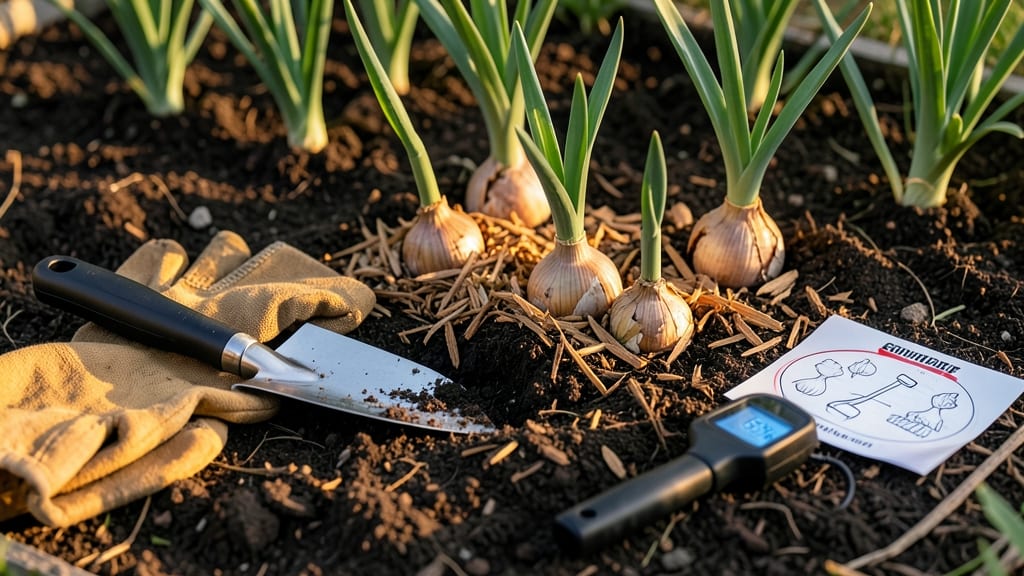
Planting bulbs at the wrong time in Zone 8a can mean the difference between a showstopping spring display and a sad, wilted disappointment. The mild winters here throw off many gardeners, but with the right chill-hour strategy, you can still coax those vibrant daffodils and tulips to bloom beautifully.
Most bulbs need a period of cold to trigger flowering, but Zone 8a’s shorter winters mean you’ve got to get the timing just right. Fall planting is ideal for many varieties, but some low-chill bulbs can even go in during early spring—if you know the tricks.
Let’s break down exactly when to plant for perfect blooms and how to adjust for your specific climate.
Whether you’re dreaming of early crocuses peeking through the soil or towering alliums in summer, understanding your bulbs’ chill-hour needs is the key to success. I’ll share the best planting windows, soil prep tips, and even how to give bulbs a little extra cold if nature falls short.
Skip the guesswork and learn how to turn your Zone 8a garden into a year-round bulb bonanza—no frost required!

Zone 8a bulb planting calendar by chill-hour requirements
In Zone 8a, where winters are mild and chill hours (below 45°F) are limited, timing your bulb planting correctly is key to avoiding rot or missed blooms. Most bulbs need 100–300 chill hours to flower, but some varieties adapt better than others.
Understanding these requirements helps you choose the right bulbs and plant them at the optimal window—whether in fall or early spring.
Fall planting (October–November) is ideal for most bulbs, giving them time to root before winter. However, if your winters are warmer than average, you might need to adjust planting dates or use pre-chilling methods for varieties needing more chill hours.
For example, tulips (typically 100–150 hours) may bloom better with a head start, while daffodils (often 300+ hours) can sometimes skip chill hours entirely in Zone 8a.
Here’s how to align your planting schedule with chill-hour needs, including adjustments for early or late frosts in your area:
For bulbs needing 300+ chill hours, like traditional daffodils or hyacinths, consider pre-chilling in your refrigerator (6–8 weeks at 35–40°F) before planting. This mimics winter conditions and ensures blooms. If your winters are warmer than usual, plant bulbs deeper (6–8 inches) to protect them from temperature fluctuations.
Adjust your planting window based on your last frost date. In most of Zone 8a, aim to plant 6–8 weeks before the first frost (typically late October–early November).
If frost arrives early, delay planting until soil temps drop below 60°F. For spring planting, wait until soil warms to 60°F (usually February–March) and pre-chill bulbs if needed.
Pro tip: Use a soil thermometer to monitor temps. Bulbs should be planted when soil is below 60°F but above freezing. This prevents rot while allowing roots to establish. In containers, plant bulbs in pots and move them to a garage or cold frame for pre-chilling if needed.
If you’re unsure about your local chill hours
How to pre-chill bulbs for Zone 8a success (DIY methods)
Zone 8a gardeners face a unique challenge: our mild winters often don’t provide enough chill hours for traditional bulbs to bloom. Without proper pre-chilling, many varieties will sit dormant or produce weak flowers.
The good news? You can mimic winter conditions at home with simple, effective DIY methods that ensure vibrant spring blooms.
Most bulbs require 100–300 chill hours below 45°F to trigger flowering. In Zone 8a, where winters average 50–70°F (fewer than 500 chill hours), many varieties need extra help.
Whether you’re growing tulips, daffodils, or hyacinths, these methods will give your bulbs the cold treatment they need before planting.
🌱 Step-by-Step Pre-Chilling Guide for Zone 8a Bulbs
-
Step 1: Select Your Bulbs
Choose spring-flowering bulbs (tulips, daffodils, hyacinths) that need 100–300 chill hours. Avoid low-chill varieties like grape hyacinths or miniature daffodils, which thrive without pre-chilling. -
Step 2: Store Bulbs in a Cool, Dry Place
Before pre-chilling, store bulbs in a cool (60–70°F), dry location (like a garage or basement) for 4–6 weeks to simulate early fall conditions. -
Step 3: Refrigerator Pre-Chilling (Best for Small Bulbs)
Place bulbs in a paper bag with sphagnum moss (keep moist but not soggy). Store in the crispier drawer of your fridge at 35–45°F for 8–12 weeks, depending on chill-hour needs. -
Step 4: Cold Frame or Unheated Garage (Outdoor Option)
For larger bulbs (like tulips), bury them in sand or peat moss in a cold frame or unheated garage. Maintain temps between 35–45°F for 6–8 weeks before planting. -
Step 5: Plant at the Right Time
After pre-chilling, plant bulbs 6–8 weeks before your first frost (typically October–November in Zone 8a). Follow depth guidelines: 2–3 times the bulb’s height for optimal growth. -
Step 6: Mulch for Extra Protection
Add a 2–3 inch layer of mulch (straw or shredded leaves) after planting to insulate soil and maintain cooler temps during mild winters.
⏱️ Pro Tip: Label bulbs with their chill-hour needs and pre-chilling dates to track progress!
If you’re short on fridge space, a DIY cold frame or even a shady corner of your garage can work. Just ensure temps stay consistent and bulbs don’t dry out.
For extra insurance, combine methods—like refrigerating for 6 weeks, then moving bulbs to a cold frame for another 2 weeks before planting.
Remember, timing is critical. Plant bulbs too early, and they’ll rot in warm soil; too late, and they won’t get enough chill time. Aim to plant 4–6 weeks before your average first frost (check your local USDA frost map for exact dates).
With these methods, you’ll enjoy bold, healthy blooms even in Zone 8a’s mild climate!
🌿 For bulbs like crocuses or snowdrops, which need minimal chill, skip pre-chilling and plant directly in fall or early winter. But for tulips and hyacinths, pre-chilling is a game-changer!