
Flowers
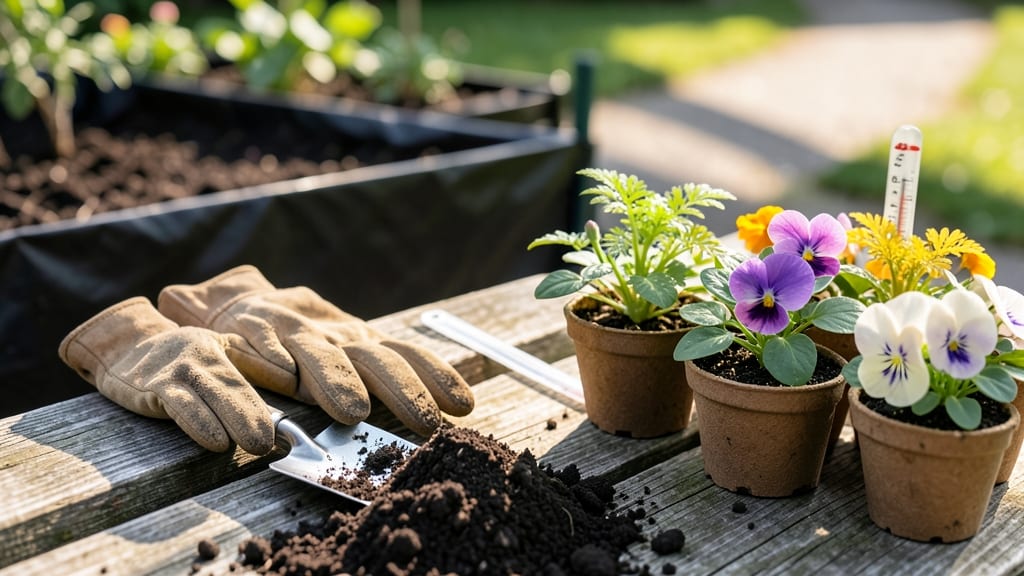
Planting your spring flowers at the right time can transform your garden from a wilted disappointment into a vibrant, show-stopping display—especially when you match your local climate to each bloom's chill-hour needs.
Most gardeners in Zone 6a wait until after the last frost (around April 15 for many areas), but timing varies dramatically depending on whether you're growing cold-hardy pansies or heat-loving petunias. The key? Understanding how many chill-hours your flowers need to thrive.
In this guide, I'll break down the perfect planting windows for popular spring flowers, from bulbs that need 20-30°F chill-hours to annuals that prefer warmer soil. You'll learn how to adjust for late frosts, urban heat islands, and even high-altitude gardens—so you can enjoy blooms from June through August.
Ready to get started? Let's dive into the chill-hour matching system that will give you perfect blooms all season long, no matter where you garden.
Spring planting timeline by flower type and chill-hours needed
Getting your spring flowers in the ground at the right time ensures they thrive and bloom beautifully. But timing isn't one-size-fits-all—it depends on chill-hour requirements and your local last frost date.
For example, tulips need 10-20°F chill hours, while petunias prefer warmer soil and can wait until after the last frost. Let's break it down by flower type and chill-hour zones to help you plan perfectly.
First, check your USDA hardiness zone and average last frost date.
In Zone 5 (like Chicago), this is usually mid-April, while Zone 9 (like Los Angeles) might see frost as late as February. Chill-hour zones further refine timing—plants like dahlias need 20-30°F chill hours, while marigolds thrive with minimal cold exposure.
Knowing these details helps you avoid planting too early (risking frost damage) or too late (missing peak bloom seasons).
Here’s a quick reference for spring planting by chill-hour needs, including popular flowers, ideal planting windows, and regional examples to guide your schedule.
| Flower Type | Chill-Hour Zone | Planting Window | US Region Example | Notes |
|---|---|---|---|---|
| Bulbs (Tulips, Daffodils) | 10-20°F | Early Spring (Feb-Mar) | Zone 5-7 (Chicago, NYC) | Plant 6-8 weeks before last frost. |
| Perennials (Coneflowers, Lavender) | 10-30°F | Late Spring (Apr-May) | Zone 6-8 (Denver, Atlanta) | Wait until soil warms to 60°F. |
| Annuals (Petunias, Marigolds) | 0-10°F | After last frost (May-Jun) | Zone 9-10 (LA, Miami) | Heat-loving; avoid cool soil. |
| Cold-Hardy Annuals (Pansies, Snapdragons) | 10-20°F | Early Spring (Mar-Apr) | Zone 4-6 (Minneapolis, Boston) | Tolerate light frost; plant early. |
| Tender Perennials (Dahlias, Cannas) | 20-30°F | Late Spring (May-Jun) | Zone 7-9 (Dallas, Phoenix) | Start indoors; transplant after frost. |
For bulbs like tulips and daffodils, the key is planting them in early spring (February to March) when soil temperatures are still cool but frost isn’t imminent. These chill-hour lovers need 10-20°F to trigger blooming.
In Zone 5, aim for late February, while in Zone 8, wait until March. A simple trick: plant bulbs when crocus flowers appear—nature’s signal that it’s safe!
If you’re growing perennials like coneflowers or lavender, wait until late spring (April to May) when soil temperatures reach at least 60°F. These plants often need 10-30°F chill hours but can handle warmer soil better than bulbs.
In Zone 6, like Denver, plant in early May, but in Zone 9, like Los Angeles, you can start as early as March. Always check your local frost-free date to avoid surprises.
How to adjust planting dates for your local climate and microclimate
Your garden's success depends on more than just the last frost date—it's about understanding your local climate and microclimates that can shift planting windows by weeks. For example, urban areas often experience heat islands that warm soil faster, while high-altitude gardens may need earlier starts.
Even a small yard can have frost pockets where cold air settles, delaying planting by 2-3 weeks.
To navigate these variations, I rely on three key tools: a soil thermometer, a frost-free date calculator, and my local USDA hardiness zone map. These help me adjust planting dates for flowers that need 60°F soil temperatures (like petunias) versus those that tolerate cooler soil (like pansies).
Let's explore how to make these adjustments for your specific garden conditions.
Late Frost Zones: The Silent Planting Killer
Even in Zone 6a, late frosts can strike after April 15. If your area has a history of late-spring frosts, wait until May 1 to plant heat-sensitive annuals like marigolds or geraniums. For bulbs like tulips, plant in fall (October-November) to ensure they've established roots before winter.
For urban heat islands, where pavement and buildings trap heat, soil can warm 10-15°F faster than rural areas. Use a soil thermometer to confirm when temperatures reach 60°F—this could be 2-3 weeks earlier than official frost-free dates.
In these areas, I often plant heat-loving flowers like lantana or salvia as early as mid-April, even if other gardeners wait until May.
High-altitude gardens present another challenge. Every 1,000 feet in elevation can shift your planting window by 1-2 weeks. For example, if you're at 5,000 feet, treat your zone as 2 zones colder than official maps suggest.
This means starting cool-season flowers like snapdragons indoors 6-8 weeks earlier than lowland gardeners.
Microclimates create their own planting puzzles. A north-facing wall stays cooler and may need 2 weeks later planting than a south-facing bed. To test this, I place temperature strips in different garden spots for a week before planting.
For frost pockets, I opt for cold-hardy flowers like pansies or violas, which can handle 28°F temperatures and bloom earlier.
Technology makes adjustments easier. Use the USDA Plant Hardiness Zone Map to find your base zone, then add local data from NOAA frost charts or apps like Farmer's Almanac.
For precise timing, I set reminders for 32°F (last frost) and 60°F soil temps—these are my go signals for most spring flowers. With these tools, you can turn climate challenges into extended bloom seasons tailored to your unique garden.