
Trees
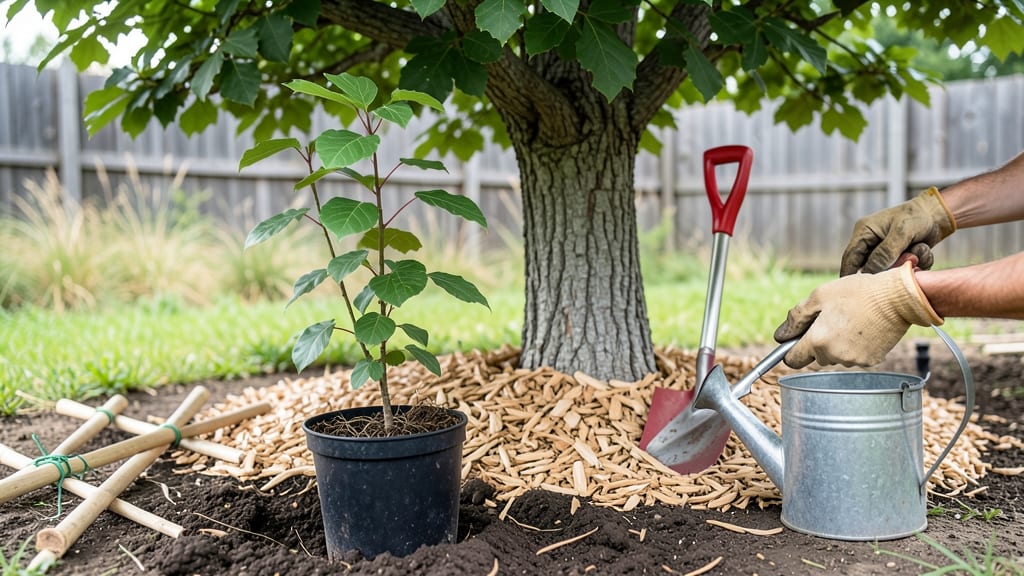
Planting a Dogwood Tree 🌳 in Texas isn’t just about timing—it’s about matching your region’s chill hours to avoid frost damage and ensure stunning spring blooms. Whether you’re in Zone 8a or 10b, getting the timing right makes all the difference between a thriving tree and a struggling one.
Most Texas gardeners wait until late fall or early spring, but the exact window depends on where you live. In colder zones like 8a, aim for November to February when the ground is cool but not frozen.
Meanwhile, in warmer areas like Zone 10b, you’ve got more flexibility—even late winter or early spring works.
Bare-root trees are best planted in winter while dormant, but container-grown Dogwood Trees can go in year-round in mild zones. The key is preparing the soil and protecting young roots from sudden temperature swings.
With the right approach, your Dogwood Tree will establish strong roots and reward you with vibrant blooms for years.
Ready to plant? I’ll walk you through the exact steps, from soil prep to watering schedules, so your Dogwood Tree thrives in Texas’ unique climate. Let’s get started!
Texas dogwood planting zones: match chill hours to your location
Texas gardeners know the dogwood tree adds stunning spring color, but planting success hinges on chill hours and frost timing. Unlike northern climates, Texas dogwoods need 300-900 chill hours—but not all varieties thrive equally.
Native Cornus drummondii (Roughleaf Dogwood) handles 400-600 chill hours, while hybrids like ‘Natchez’ require 700-900 chill hours. Here’s how to match your USDA zone and city frost dates for foolproof planting.
Texas spans USDA zones 8a-10b, but chill hours vary drastically. North Texas (Zone 8a) gets 900-1,200 chill hours, while Houston (Zone 9a) sees only 300-500 chill hours. Planting a high-chill hybrid in South Texas risks frost damage or poor blooming.
Always check your local frost dates—Austin’s last frost averages January 15, while San Antonio’s is February 1. Timing matters more than you think!
Here’s the chill-hour breakdown for Texas dogwood varieties and your best planting window by zone:
| Zone & City | Avg. Chill Hours | Best Dogwood Varieties | Planting Window | Last Frost Date |
|---|---|---|---|---|
| 8a (Dallas, Fort Worth) | 900-1,200 | ‘Natchez’, ‘Cherokee Brave’, Cornus drummondii | Late November–Early February | January 15–February 1 |
| 8b (Austin, Waco) | 700-900 | ‘Cherokee Princess’, Cornus drummondii, ‘Cloud 9’ | December–Mid-February | January 15–January 31 |
| 9a (Houston, San Antonio) | 300-500 | ‘Purple Smoke’, Cornus drummondii, ‘Rubra’ | Mid-December–Early January | February 1–February 15 |
| 9b-10a (Corpus Christi, Brownsville) | 100-300 | Cornus drummondii (only option) | Late December–Early January | February 15–March 1 |
*Chill hours = hours below 45°F (7°C) per winter. Always confirm local frost dates via Almanac.
For Zone 8a-8b (Dallas/Austin), aim for bare-root planting in December—this gives roots time to establish before January frosts. Container-grown trees can go in until early February, but avoid planting after February 1 to prevent root shock from late-season warmth.
In Zone 9a (Houston/San Antonio), stick to December planting and choose low-chill varieties like ‘Purple Smoke’ to avoid bud failure.
Pro tip: Mulch heavily (3-4 inches of wood chips) after planting to protect roots from temperature swings. In Zone 10a, where chill hours dip below 300, only Cornus drummondii survives—plant it in late December and water deeply every 10-14 days until established.
Skip fertilizing the first year; new roots need low-nutrient stress to strengthen.
Watch for late-season frosts—even in Zone 9a, a 28°F night in March can kill young dogwoods. Use frost cloth for the first 2-3 weeks after planting if your forecast shows sub-30°F temps.
Native Texas dogwoods are hardier, but hybrids need extra protection in marginal zones. For example, ‘Natchez’ in San Antonio (Zone 9a) may bloom poorly or not at all if planted too late.
Soil prep is critical: Amend clay-heavy Texas soil with compost and sand to improve drainage—dogwoods hate soggy roots. Dig a hole twice as wide as the root ball but only as deep as the container.
Backfill with native soil, not amended mix, to prevent root suffocation. Water immediately after planting to eliminate air pockets, then deep-water weekly for the first 60 days.
If you’re in North Texas (Zone 8a), extend your planting window to early March for container-grown trees—but monitor weather forecasts closely. A sudden cold snap in March can still damage tender roots.
For South Texas (Zone 9b+), plant only in December and choose shade-tolerant varieties like ‘Cloud 9’,
Step-by-step Texas dogwood planting calendar by month
Timing is everything when planting dogwood trees in Texas, especially since our state spans three distinct climate zones with varying frost risks.
For North Texas (Zones 7b-8a), aim for late fall to early spring planting, while Central (Zones 8a-9a) and South Texas (Zones 9b-10a) can extend planting into early winter or even spring for container-grown trees. The key is avoiding extreme heat or frost while roots establish.
Bare-root dogwoods thrive when planted in dormant season (November-February), but container-grown trees offer more flexibility. South Texas gardeners can plant year-round, while North Texas must rush before January’s last frost.
Always check your local frost dates—Austin’s average last frost is January 15, while Houston’s is December 1.
- 1 November (All Regions): Ideal for bare-root dogwoods. Amend soil with compost and peat moss for drainage. Dig a hole twice as wide as the root ball. Water deeply before planting to reduce transplant shock.
- 2 December (Central/South Texas): Safe for container-grown trees. Prune damaged roots before planting. Apply mulch (3-4 inches) to retain moisture. South Texas can plant until mid-January with frost cloth protection.
- 3 January (North/Central Texas): Last chance for bare-root. Use frost blankets if temps drop below 25°F. Water every 7-10 days—deep soak each time. Avoid planting if ground is frozen.
- 4 February (South Texas): Prime for container-grown dogwoods. Stake young trees if in windy areas. Apply slow-release fertilizer (10-10-10) at planting. Monitor for aphids or scale—treat immediately with neem oil.
- 5 March-April (All Regions): Emergency planting for container-grown trees only. Keep soil consistently moist—dogwoods hate drought stress. Prune dead branches after flowering to encourage new growth.
After planting, watering schedules differ by region. North Texas needs weekly deep watering (15-20 gallons) until roots establish, while South Texas can stretch to every 10-14 days once established. Always water early morning to prevent fungal diseases like powdery mildew, common in Texas’ humid summers.
For frost-proofing, North Texas gardeners should wrap young trees with burlap and frost cloth during December-January. Central Texas can skip this but monitor weather forecasts. South Texas rarely needs protection, but young container-grown trees benefit from shade cloth during 100°F+ heat waves.
Remember: Dogwoods hate soggy roots. Amend heavy clay soil with sand and organic matter to improve drainage. In South Texas, where summers are brutal, prioritize morning shade for newly planted trees.
With the right timing and care, your dogwood will reward you with show-stopping spring blooms for decades! 🌷