
Companion Plants
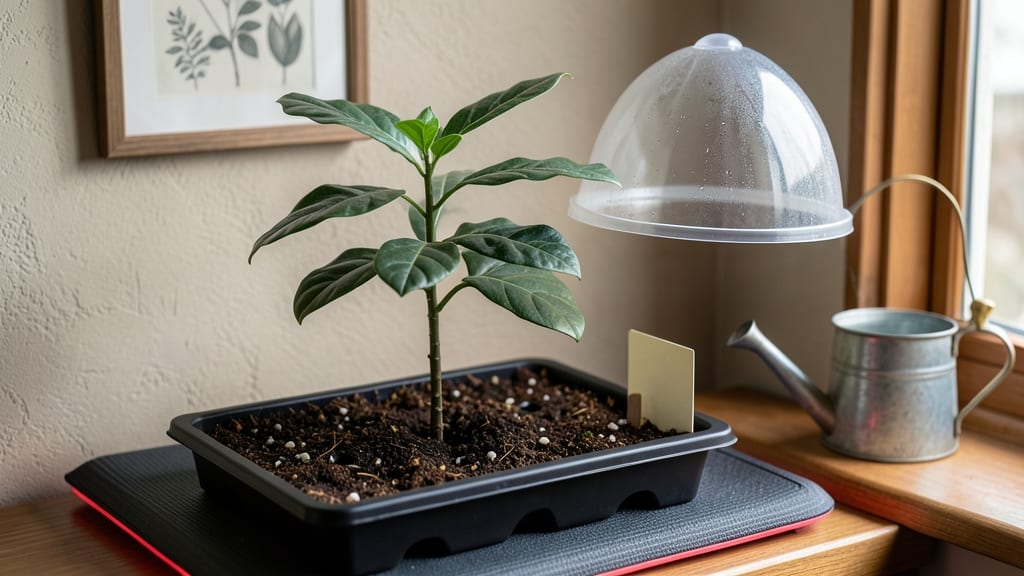
Planting your avocado seed 🥑 in soil at the wrong time can turn your hopeful seedling into a sad, wilted mess—even before it gets a chance to grow.
The best window for transplanting depends on where you live, but for most gardeners in Zone 6a, timing it right in spring (March-April) makes all the difference.
You might be tempted to rush it, especially when those first roots peek out of the water, but patience is key. A seedling planted too early faces frost risks, while waiting too long can stunt its growth.
I’ll show you exactly how to read your seedling’s cues and match them to your local climate for the highest chance of success.
Whether you’re starting indoors or moving straight to soil, understanding the ideal months and how seasonal shifts affect your young tree is the secret to avoiding common pitfalls. Let’s break down the steps so you can give your avocado the best possible start.
From hardening off your seedling to choosing the right soil mix, I’ve got the actionable tips you need to avoid overwatering, poor drainage, and other mistakes that kill seedlings. Ready to turn that little sprout into a thriving tree? Let’s get started.
Best planting months for avocado seeds by climate zone
Avocado seeds thrive when planted at the right time, but your USDA hardiness zone determines the perfect window. In zones 8-11, timing varies from year-round tropical planting to careful spring transitions in cooler regions.
The key is avoiding frost exposure and ensuring soil temperatures stay above 60°F (15°C) for root development.
For zones 10-11 (tropical climates like Hawaii or Southern California), you can plant avocado seeds anytime year-round. These areas have consistent warmth and no frost risk, making them ideal for direct outdoor planting.
However, even in warm climates, spring planting (March-May) gives seedlings a head start before summer heat stress.
In zone 9 (Mediterranean climates like Los Angeles or San Diego), aim for late winter to early spring (February-April). This timing avoids the hot summer months when seedlings struggle with water retention and soil drying.
If you plant in fall (October-November), protect seedlings with mulch or row covers to prevent root chill.
For zone 8 (cooler regions like Phoenix or parts of Texas), plant only after the last frost date, typically April-May. These areas experience light frosts in late winter, which can kill young seedlings. Start seeds indoors in February and transplant after May 15 to ensure survival.
| USDA Zone | Climate Type | Best Planting Months | Key Considerations |
|---|---|---|---|
| Zones 10-11 | Tropical | Year-round (ideal: Spring) | No frost risk; avoid summer heat stress |
| Zone 9 | Mediterranean | February-April (Fall: Oct-Nov with protection) | Light frosts possible; mulch for root protection |
| Zone 8 | Temperate | April-May (indoor start in Feb) | Last frost risk; harden off seedlings |
Daylight length also plays a role. Avocado seedlings need 12+ hours of daylight to thrive, which naturally occurs in spring and summer. If planting in fall or winter, supplement with a grow light to prevent leggy growth or weak stems.
In zone 8, this is especially critical for indoor-started seedlings transitioning outdoors.
Humidity matters too. In high-humidity zones (like Florida or Louisiana), plant in dry seasons (winter-spring) to reduce fungal diseases like root rot. Use well-draining soil mixes with perlite or sand to prevent waterlogging.
Conversely, in arid zones (like Arizona), plant in late spring to establish roots before summer drought.
For container growing (common in urban zones 8-11), timing shifts slightly. You can plant anytime soil temps allow, but spring planting gives containerized seedlings 6-8 weeks to establish before summer heat. Use terracotta pots to prevent overheating and ensure drainage holes are present.
Watch for seedling signals before planting outdoors. A healthy seedling has 2-3 sets of leaves and a sturdy stem. If planted too early, seedlings may yellow leaves (nutrient stress) or wilt (transplant shock). Harden off seedlings by gradually exposing them to outdoor conditions for 1-2 weeks before final planting.
Pro tip: Mark your last frost date and count 8-12 weeks backward for indoor starts. This ensures seedlings are large enough to handle outdoor conditions by spring. In zone 8, this often means starting seeds in February for May planting.
Remember, avocado seeds are sensitive to cold but love warm soil. Whether you're in a tropical paradise or a Mediterranean climate, aligning planting with temperature trends and daylight changes sets your seedling up for long-term success. 🌿
How to tell if your avocado seedling is ready for soil
Your avocado seedling has spent weeks growing in water, and now you're eager to plant it in soil—but how do you know it's truly ready? Rushing the process can shock delicate roots, while waiting too long may stunt growth.
The key is watching for three critical growth indicators: root development, leaf maturity, and stem strength. Each of these signals tells you whether your seedling can handle the transition to soil.
First, check the root system. Healthy roots should be 2-3 inches long and thick enough to support the plant. If they’re sparse or brittle, hold off on planting. Roots that are white or pale yellow and firm to the touch are a good sign—these can absorb nutrients from soil.
Dark, mushy roots mean your seedling is rotting and needs more time in water.
Next, examine the leaves. Your seedling is ready when it has 2-3 sets of mature leaves, meaning each leaf is fully unfurled and dark green.
The first set of leaves (often smaller and lighter) are just for energy storage, but the second and third sets indicate the plant is photosynthesizing efficiently. If leaves are still curled or yellowing, delay planting.
Finally, assess the stem thickness. A ready seedling will have a stem that’s pencil-thick or thicker and sturdy enough to stand upright without support. If it’s thin and flimsy, it’s not strong enough to handle soil yet.
Gently press the stem—if it bends easily, it needs more time to harden.
- 🌱 Roots 2-3 inches long
- 🌿 2-3 sets of mature leaves
- ✅ Pencil-thick stem
- 🌡️ Soil temp above 60°F
- ☀️ Hardened off outdoors
Environmental cues matter just as much as physical signs. Before planting, ensure your soil temperature is consistently above 60°F—avocado seedlings are sensitive to cold. If you’re in a cooler climate, wait until after the last frost date or use a heat mat to warm the soil.
Also, if your seedling has been hardened off (gradually exposed to outdoor conditions for 1-2 weeks), it’s ready to face the elements.
One final check: humidity levels. If your area has high humidity, plant during the driest part of the day to reduce fungal risks. In arid climates, water the soil well before transplanting to help roots establish.
Whether you’re planting indoors near a sunny window or outdoors in a garden bed, these cues will guide you to the perfect moment for your avocado seedling.
When all these signs align—strong roots, mature leaves, a sturdy stem, warm soil, and proper hardening—your seedling is ready to thrive in soil. Now it’s time to choose the right pot or garden spot and give your little tree the care it deserves. 🌳