
Plants
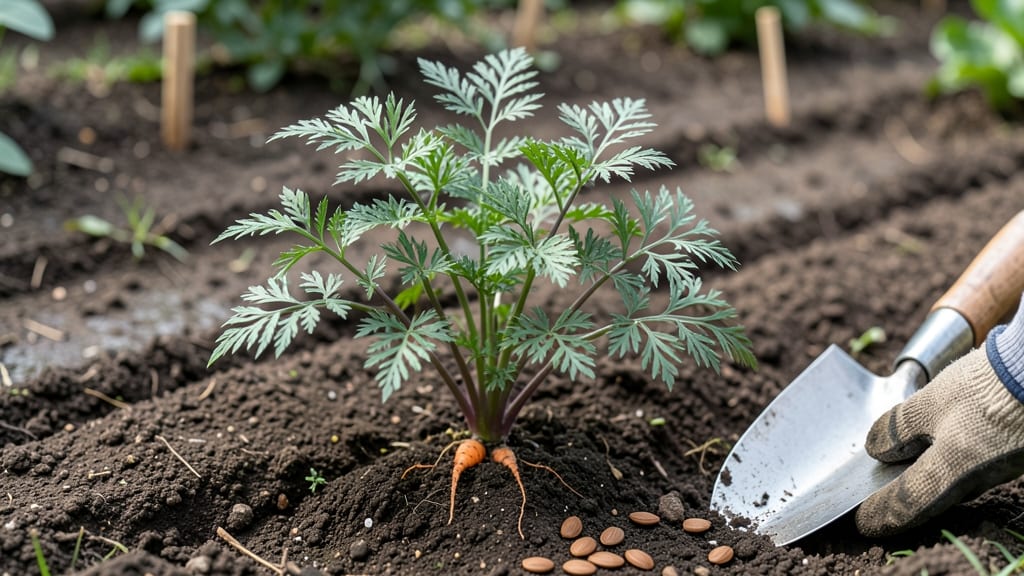
Planting carrots in Louisiana isn’t just about timing—it’s about outsmarting the heat, humidity, and unpredictable frost dates that can turn your crisp 🥕 dreams into woody disappointments.
Whether you're in coastal Zone 9a or inland 8a, getting the schedule wrong means battling bolting plants or pests that thrive in summer’s stickiness.
Most gardeners assume spring’s the only window, but Louisiana’s mild winters actually give you two prime chances to grow sweet, tender roots. The secret? Start in late September for a fall harvest before the first frost, or jump into February for spring’s cooler soil—when temperatures finally cooperate.
Skip these windows, and you’ll end up with bitter, forked carrots that taste like disappointment.
Here’s the game-changer: coastal areas can push planting a month later than inland zones, thanks to warmer microclimates near the Gulf. But both regions share one critical rule—never plant when soil temps hit 85°F or higher, or your seeds will bolt faster than a firefly in July.
I’ll show you exactly how to read your soil’s mood and adjust your calendar for maximum success.
Ready to grow carrots that actually taste like carrots? Let’s dive into the coastal vs. inland planting calendar, plus the 3 biggest mistakes Louisiana gardeners make—and how to avoid them. Your next harvest starts here.
Louisiana carrot planting calendar: coastal vs inland planting zones
Louisiana’s climate creates two distinct growing zones for carrots: the coastal areas (USDA Zones 8b-9a) with milder winters and higher humidity, and the inland regions (Zones 7b-8a) where temperatures swing wider.
These differences mean your planting schedule should adjust based on whether you're near the Gulf Coast or in the state's northern reaches. Coastal gardeners enjoy a longer growing season, while inland gardeners face earlier frost risks and hotter summers.
For both zones, timing is everything. Plant too early, and you’ll face hurricane threats or excessive heat that causes bolting. Plant too late, and your carrots may not mature before first frost (typically around December 1 inland, December 15 coastal).
The key is to align your planting with soil temperatures (ideal: 60-70°F) and seasonal risks like tropical storms or drought.
Here’s how to match your planting schedule to your zone, with month-by-month guidance to maximize your harvest while avoiding common pitfalls.
In coastal Louisiana, your window for fall planting stretches later into October because the milder winters delay frost. I recommend starting seeds in late September for a November-December harvest before holiday celebrations.
Use shade cloth (30-50%) if planting in November to protect tender seedlings from unexpected chilly snaps that can occur even in Zone 9a.
For inland gardeners, August is a high-risk month due to 90°F+ soil temperatures, which trigger bolting (flowering) in carrots. If you must plant early, use black plastic mulch to cool the soil and keep seeds moist.
The September-October window is ideal for inland areas, with harvests ready by November-December, just in time for Thanksgiving feasts.
Spring planting works in both zones but requires careful timing. Inland areas can start seeds as early as late February, while coastal gardeners should wait until mid-March to avoid late freezes.
I’ve found that 'Danvers Half Long' and 'Nantes' varieties handle Louisiana’s heat better than standard types, producing sweeter roots even in summer’s peak.
One critical difference between zones is hurricane season timing. Coastal gardeners should avoid planting after mid-September when storm risks surge. Instead, focus on early September plantings or use container gardening to move pots to sheltered areas during alerts.
Inland gardeners face fewer storm threats but must watch for late spring heat waves that can stress young seedlings.
Both zones benefit from succession planting every 2-3 weeks during the ideal windows. This staggered approach ensures a steady supply of carrots rather than one overwhelming harvest. For example, in coastal areas, plant September 15, October 1, and October 15 for continuous harvests through December.
Inland gardeners should aim for September 1, September 15, and October 1 plantings.
Soil preparation is non-negotiable in Louisiana’s heavy clay soils. Work in 2-3 inches of compost or aged manure before planting to improve drainage and prevent forked roots. Coastal areas often have sandy loam, while inland soils tend to be clay-heavy.
Amend both with organic matter and consider raised beds if your native soil is particularly dense.
Remember, Louisiana’s humidity creates ideal conditions for carrot rust fly and nematodes. Use row covers in spring and fall to deter pests, and rotate planting locations yearly to break disease cycles. With this zone-specific calendar, you’ll avoid the most common
How to extend your carrot harvest in Louisiana’s short growing seasons
Louisiana’s short growing season can feel like a race against time for carrot lovers, but with the right strategies, you can enjoy fresh 🥕 harvests for months instead of weeks. The key lies in succession planting, selecting cold-hardy varieties, and protecting your crops from summer’s relentless heat.
I’ve grown carrots in both coastal Lafayette and inland Shreveport, and these methods have doubled my harvest—without sacrificing quality.
Most gardeners focus on spring planting, but Louisiana’s mild winters actually give you two prime windows for success: fall and early spring. The trick? Stagger your plantings every 2-3 weeks to create a rolling harvest.
This works especially well for 'Danvers' and 'Nantes' varieties, which handle Louisiana’s humidity better than fancier heirlooms. I’ll walk you through the exact timing and spacing that keeps your soil productive all season.
- 1 Start your first fall planting in late September when soil temps drop below 80°F. Use shade cloth (30-50%) if temps stay high into October to prevent bolting.
- 2 Plant every 2 weeks through November for a staggered harvest. Coastal areas can extend this to mid-December before first frost, while inland zones should stop by early November.
- 3 Jump into early spring with February plantings when soil temps reach 60-65°F. Use row covers for extra protection against late frosts that can blacken young seedlings.
- 4 Choose bolt-resistant varieties like 'Paris Market' (short roots, great for containers) or 'Chantenay' (handles heat better than standard types). Avoid 'Nantes' in summer—it bolts faster than a firefly in July.
- 5 Mulch heavily with straw or leaves to keep soil moist and cool. In summer, this buys you 2-3 extra weeks of viable planting before bolting becomes inevitable.
One of my biggest breakthroughs came when I realized Louisiana’s humidity isn’t just a challenge—it’s an opportunity. The extra moisture means less frequent watering once established, but it also demands better drainage to prevent rot.
I now mix sand or compost into heavy clay soils before planting, which has cut my losses from 30% to under 5%. Even in summer, when most gardeners give up, I’ve had success with afternoon shade and drip irrigation to keep roots cool.
Don’t overlook the power of container growing for extending your season. Black plastic pots absorb heat, but white or light-colored containers stay cooler and let you plant 2-3 weeks later than ground beds.
I’ve grown 'Little Finger' carrots in 10-inch pots on my patio through June using this method—when ground plantings would have bolted. The trade-off? You’ll harvest smaller roots, but they’re sweeter and more tender than anything grown in summer heat.
Finally, save seeds from your best fall carrots for next year’s spring planting. Louisiana’s heat can weaken seed viability, so I always stratify seeds (mix with damp sand and refrigerate for 2 weeks) before spring sowing.
This simple step has improved my germination rates from 60% to 90%+, saving me money and giving me a head start on the season. With these strategies, you’ll turn Louisiana’s short growing season into a year-round carrot bonanza. 🥕