
Plants
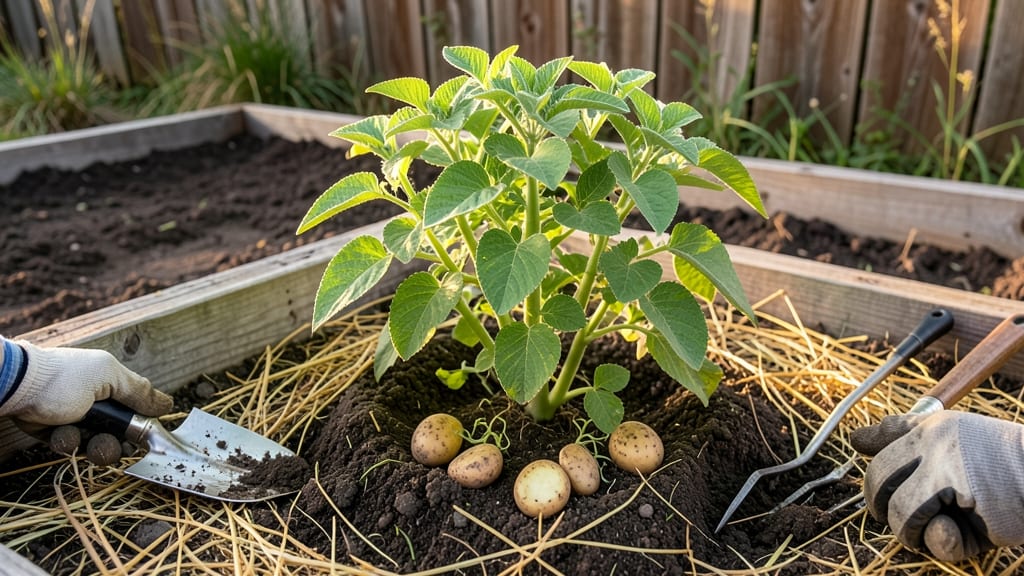
Planting potatoes in California at the wrong time could mean the difference between a bumper harvest and a total flop—especially when coastal fog and inland heat play such different roles in your garden's success.
With USDA zones 9-10 across the state, timing is everything: too early, and your 🥔 potatoes might rot in coastal dampness; too late, and they'll bolt in inland heat.
The key lies in understanding your microclimate—whether you're in the San Francisco Bay Area or the Central Valley—so you can plant when soil temps are just right.
I've grown potatoes in both coastal and inland California for years, and what I'm about to share will help you avoid common mistakes that waste time, money, and effort.
From the best months to plant to how to adjust for early vs. late varieties, you'll learn exactly when to get those spuds in the ground for maximum yield.
Let's dive into the secrets that make all the difference—so you can enjoy homegrown potatoes from October through June, no matter where you garden in the Golden State.
Best planting times for potatoes in California by region (coastal vs inland)
California’s coastal and inland regions create wildly different growing conditions for potatoes.
In coastal areas like the San Francisco Bay, cool ocean breezes and mild winters allow for year-round planting, while inland valleys like the Central Valley experience hotter summers and cooler winters, requiring precise timing to avoid heat stress. Understanding these regional differences is key to a successful harvest.
For coastal gardeners, the ideal window spans from October through March, when daytime temperatures hover between 50-60°F. In contrast, inland gardeners should plant between September and November to escape summer’s brutal heat.
The wrong timing can lead to stunted tubers or even rotten crops—especially in inland zones where soil can bake to 100°F+ by May.
Here’s how to align your planting schedule with California’s microclimates, including frost risk (yes, even in CA!) and soil temperature needs:
In coastal California, the ocean’s cooling effect means you can plant potatoes almost year-round, but the sweet spot is October through March. This aligns with USDA Zone 10, where frost is rare but soil temperatures drop below 50°F in winter.
For example, in Santa Barbara, I’ve successfully planted Yukon Gold as late as February and still harvested 60-day tubers by May.
For inland regions, the Central Valley and Sacramento area (Zone 9) demand earlier planting to avoid summer’s 100°F+ soil temps. Planting in September gives tubers time to mature before heat stress kicks in.
In my Fresno garden, I’ve seen Russet Burbank plants wilt and die when planted after November 1st—a clear sign of heat exhaustion.
If you’re in desert areas like Palm Springs or the High Desert, frost becomes a real concern. Light frosts can occur in December and January, so plant October–December to harvest before the cold sets in.
I recommend Early Girl potatoes here—they mature in just 60 days, giving you a safe harvest window before frost.
One critical mistake I see in both regions? Planting too late in coastal areas or too early inland. Coastal gardeners often wait until spring, missing the cool winter soil that potatoes crave.
Meanwhile, inland gardeners sometimes plant in August, only to watch their crops bolt and flower from the heat.
How to adjust your planting schedule for early vs late varieties
Not all potatoes are created equal—and neither are their planting schedules.
In California, where coastal fog and inland heat can shift growing seasons dramatically, choosing the right variety and timing is key to a successful harvest. Early varieties like Yukon Gold mature in just 60-90 days, while long-season Russets need up to 120 days to reach full size.
If you plant a Russet Burbank too late in coastal areas, you’ll watch it bolt before producing tubers. Conversely, Red Pontiac planted too early in inland valleys might rot in the damp winter soil.
The solution? Adjust your schedule based on variety, microclimate, and a few clever tricks to extend the growing season.
🌱 5 Key Adjustments for Early vs Late Varieties
- 1. Plant early varieties (60-90 days) in October-November for coastal areas or September-October inland to avoid summer heat.
- 2. Use row covers to warm soil 2-3 weeks earlier in spring or protect from late frosts in high desert zones.
- 3. Succession plant every 2-3 weeks for a continuous harvest, mixing early and late varieties in the same bed.
- 4. Warm soil with black plastic in inland valleys to plant 4-6 weeks earlier than usual for long-season varieties.
- 5. Harvest early varieties first (March-April) and let late varieties mature through May-June before summer heat sets in.
Succession planting is my go-to trick for maximizing yield in California’s unpredictable climate. For example, I’ll plant Red Pontiac (early) in October for a March harvest, then follow with Yukon Gold in November for a May harvest.
This ensures I’m always getting fresh potatoes without gaps in my supply.
Row covers are another game-changer, especially in coastal areas where foggy mornings can delay soil warming. By covering my beds with floating row covers in late winter, I can plant 2-3 weeks earlier than usual.
Just remove them when flowers appear to allow pollination—though potatoes are self-pollinating, so this step is optional but helpful for early starts.
For inland gardeners, soil warming is critical. I’ve had great success using black plastic mulch to raise soil temperatures by 10-15°F in early spring. This lets me plant Russet Burbanks in February instead of waiting until March, shaving weeks off the growing season.
Just remember to remove the plastic once sprouts emerge to prevent overheating.
Timing isn’t just about the calendar—it’s about listening to your plants. Watch for sprouts breaking through the soil (a sign it’s time to hill) and flowers forming (a cue to remove row covers).
And always prioritize well-draining soil, whether you’re amending sandy coastal soil or breaking up clay in inland valleys. With these adjustments, you’ll turn California’s climate challenges into opportunities for a longer, more abundant harvest. 🥔