
Plants
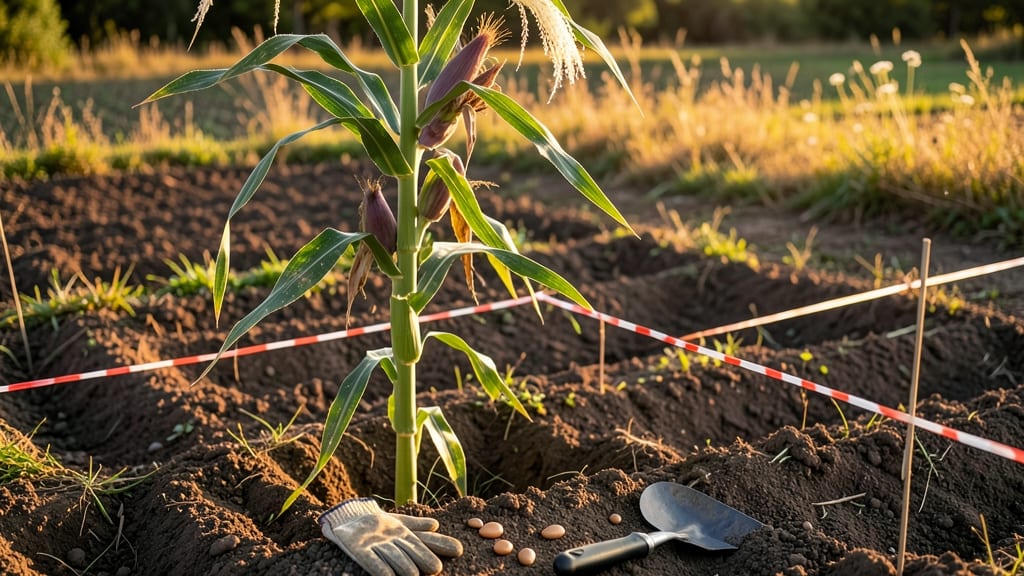
Planting corn in Illinois isn't just about checking a calendar—it's about waiting for that perfect soil temperature to kickstart fast germination and strong stalks. Skip this step, and you might end up with weak seedlings or worse, a crop lost to early frost.
Most Illinois gardeners aim for late April to mid-May, but the real secret lies in the soil. Corn needs the ground to warm to at least 60°F at 4-inch depth—that's when those little seeds finally wake up and start growing.
In USDA zones 5b-6b, this usually aligns with Mother Nature's schedule, but a late spring can throw things off.
Don't make the mistake of rushing—planting too early risks frost damage, while waiting too long can mean missed growing time. The key is testing your soil temperature weekly after the last frost (typically around April 15 in Illinois) and adjusting your schedule accordingly.
Once you've got the timing right, you'll be on track for plump ears by late July. I'll walk you through exactly how to monitor soil temps and avoid common planting pitfalls so your 🌽 corn grows strong from the very first sprout.
Optimal Illinois corn planting dates based on soil temperature
Planting corn in Illinois at the wrong time can mean the difference between a bountiful harvest and wasted seeds. Unlike many crops, corn thrives when soil temperatures consistently stay above 50°F at 4-inch depth.
This threshold ensures rapid germination and strong root development, preventing stunted plants or pest vulnerabilities. Illinois' climate varies dramatically between northern and southern regions, so timing matters more than simply following a calendar date.
For most of Illinois, the ideal planting window falls between late April and mid-May. However, this shifts slightly depending on your location.
Northern Illinois—think Chicago and Dubuque—often waits until mid-to-late May due to later frost dates, while southern areas like St. Louis and Springfield can start as early as early April if soil conditions permit. The key is soil temperature, not just air temperature.
Here’s how to align your planting with Illinois’ regional differences for maximum germination success:
Northern Illinois gardeners should wait patiently for soil to warm, as early planting risks frost damage or seeds rotting in cold soil. The last frost date in Chicago averages April 15, but soil may still be too cold.
Use a soil thermometer to confirm temperatures—corn seeds won’t germinate reliably below 50°F. In contrast, southern Illinois’ warmer microclimate allows earlier planting, sometimes as early as late March, but avoid planting before March 15 unless you’re using black plastic mulch to warm the soil faster.
Historical planting data shows that corn planted in central Illinois between April 20 and May 10 yields the best results, with 90% germination rates when soil temperatures are ideal.
For example, in Springfield, planting on April 25 typically aligns with soil reaching 55°F, the sweet spot for fast germination. If you’re in doubt, err on the side of planting later—corn can tolerate slight delays better than early planting in cold soil.
One pro tip for Illinois gardeners: Succession planting works well for corn. After your initial planting, add a second batch 2-3 weeks later to extend your harvest window. This is especially useful in southern Illinois, where the growing season is longer.
Just ensure the second planting also meets the 50°F soil threshold to avoid germination issues.
Don’t forget that soil preparation plays a huge role in timing. Corn prefers well-drained, fertile soil with a pH between 6.0 and 7.0. Amend your soil with compost or aged manure 2-3 weeks before planting to give it time to integrate.
This prep work ensures your corn has the nutrients it needs to bolt upward once soil temperatures are ideal.
If you’re using row covers or black plastic mulch, you can push planting dates 1-2 weeks earlier in cooler regions. These methods raise soil temperatures faster, helping you meet the 50°F threshold sooner.
However, remove covers once seedlings emerge to prevent overheating or moisture issues. For organic gardeners, consider straw mulch, which also warms soil gradually while suppressing weeds.
Finally, keep an eye on weather forecasts in the week leading up to your planned planting date. A cold snap can drop soil temperatures below 50°F overnight, delaying germination by days or even weeks. If this happens, hold off until temperatures stabilize
How to test soil temperature for perfect corn germination timing
Testing soil temperature is the secret weapon for Illinois gardeners who want reliable corn germination. Corn seeds need the soil to be at least 60°F at 4-inch depth—any cooler, and they’ll sit dormant or rot.
Without testing, you’re guessing, which can mean wasted seeds or stunted plants. I’ve learned the hard way that even a 5°F difference can delay germination by a week or more.
You don’t need fancy equipment to check soil temps. A simple soil thermometer (available for under $10) gives you precise readings, but I’ll also share my DIY methods for those who prefer low-tech solutions.
The key is consistency—test your soil weekly after the last frost (usually around April 15 in Illinois) until you hit that sweet spot.
Here’s my step-by-step guide to testing soil temperature like a pro, including how to adjust your planting schedule if a cold snap threatens to throw off your timing.
🌱 Step-by-Step Soil Temperature Testing for Corn
-
📅 Step 1: Wait for the Last Frost
Check your local USDA zone 5b-6b frost dates (typically April 15 in Illinois). Start testing 1-2 weeks after the last frost to avoid false readings from lingering cold. -
🌡️ Step 2: Test at the Right Depth
Corn roots start 4 inches deep. Insert a soil thermometer (or DIY probe) to this depth. Morning readings (between 9-11 AM) are most accurate—avoid midday heat spikes. -
⏱️ Step 3: Monitor Daily for 3 Days
Soil temps fluctuate. Take readings for 3 consecutive mornings and average them. Corn needs consistent 60°F+ for germination—don’t plant if temps dip below this. -
📊 Step 4: Adjust for Weather Forecasts
Check the 7-day forecast. If a cold snap is predicted, delay planting until temps stabilize. Use black plastic mulch to warm soil faster if needed. -
🌾 Step 5: Plant When Ready
Once soil hits 60°F+ for 3 days, plant 1 inch deep in rows 12 inches apart. For Northern Illinois (zone 5b), aim for late April to early May. Southern Illinois (zone 6b) can plant 1-2 weeks earlier. -
🔄 Step 6: Succession Planting (Optional)
For a continuous harvest, plant every 2 weeks until June 1. Test soil temps before each planting to ensure consistency.
If you don’t have a soil thermometer, try this DIY method: Fill a thermometer with water, place it in a sealed plastic bag, and bury it at 4 inches deep for 30 minutes.
The water temp will closely match the soil. I’ve used this trick for years—it’s not as precise, but it works in a pinch.
Pro tip: Black plastic mulch can raise soil temps by 5-10°F in just a few days. Lay it down 1 week before planting to speed up warming, especially in cool springs. Just remove it after planting to avoid overheating young seedlings.
Remember, corn seeds won’t germinate below 50°F, and growth slows dramatically below 60°F. By testing soil temps and adjusting your schedule, you’ll avoid the heartbreak of weak, slow-growing plants or missed harvests due to late planting.
Once you master this, you’ll have plump, sweet corn ready by late July—just in time for summer barbecues!