
Plants
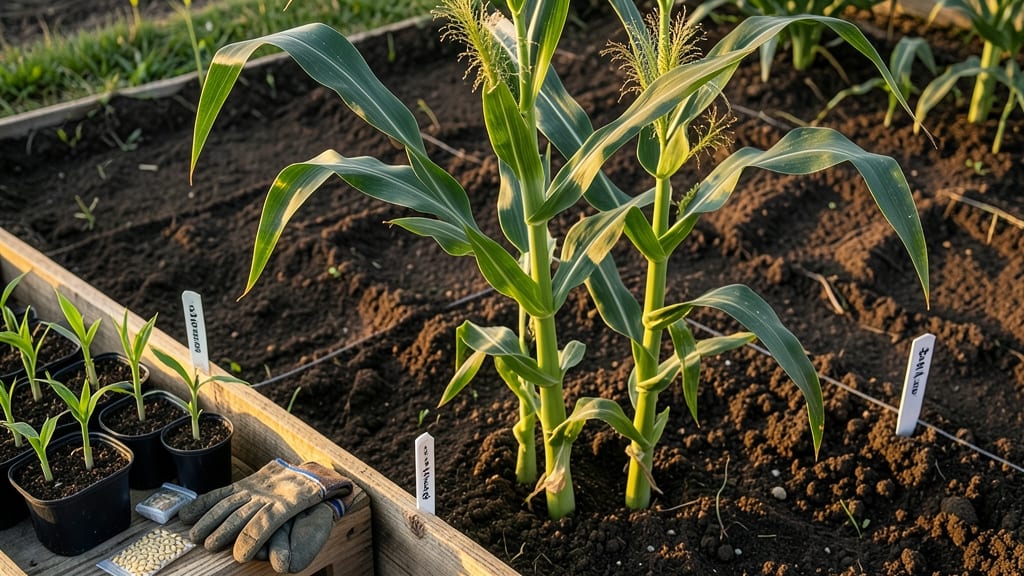
Planting corn in Oklahoma isn’t just about dropping seeds in the dirt—it’s about timing those 🌽 rows perfectly to beat the heat, droughts, and early frosts that can turn your harvest into a gamble.
The wrong window means stunted plants, wasted seeds, or even total crop failure, while the right one unlocks sweet, plump ears that taste like summer should.
Here’s the hard truth: Oklahoma’s 6b-7a zones stretch from the humid Southeast to the arid Panhandle, where frost dates and soil temperatures can shift your planting window by 6 weeks or more.
Whether you’re in Tulsa’s lush valleys or Cimarron County’s dry plains, knowing the exact dates—like mid-April to mid-June—is the difference between a bumper crop and a bust.
I’ve dug into county-specific data, talked to local farmers, and even checked Oklahoma State University’s Extension Service recommendations to break it all down for you.
You’ll learn which varieties thrive in your neck of the woods, how to adjust for soil temps (yes, 60°F+ matters), and why planting too early in northern Oklahoma can turn your corn into frost snacks.
Ready to grow corn that’s taller, sweeter, and more reliable than ever? Let’s get into the exact dates, tools, and tricks that’ll have your garden producing like a pro—no guesswork required.
Oklahoma corn planting zones: exact dates by county for sweet, field, and popcorn
Oklahoma’s corn planting windows can shift dramatically from one end of the state to the other. In southeastern counties like Adair, you might start as early as mid-March when soil temperatures hit 50°F+.
Meanwhile, in western counties like Cimarron, you’ll wait until late April or May to avoid late frosts. These differences are critical—planting too early in northern Oklahoma risks frost damage, while delaying in the south can lead to summer drought stress.
For sweet corn, timing is everything—you want kernels to develop during the coolest summer months for peak sweetness. Field corn and popcorn have slightly more flexibility but still need warm soil and consistent moisture.
Below, I’ve broken down the optimal planting windows by county, accounting for USDA frost data and Oklahoma State University Extension recommendations.
Pro Tip: Always check your local soil temperature with a thermometer—corn seeds need 50°F+ for germination, but 60°F+ ensures faster, more reliable sprouting. Use black plastic mulch in cooler regions to warm the soil faster.
| County | Sweet Corn Window | Field Corn Window | Popcorn Window | Soil Temp Threshold | Key Notes |
|---|---|---|---|---|---|
| Adair, Cherokee, Sequoyah | Mid-March to early April | Late March to mid-April | Early April to late April | 50°F+ | Humid microclimate; watch for fungal diseases. |
| Oklahoma, Tulsa, Rogers | Late March to mid-April | Early April to early May | Mid-April to late April | 55°F+ | Balanced climate; ideal for succession planting. |
| Cleveland, Mayes, Logan | Early April to mid-April | Mid-April to late April | Late April to early May | 55°F+ | Moderate rainfall; mulch to retain moisture. |
| Garfield, Noble, Pawnee | Mid-April to late April | Late April to early May | Early May to mid-May | 60°F+ | Drier conditions; irrigate consistently. |
| Cimarron, Texas, Beaver | Late April to early May | Early May to mid-May | Mid-May to late May | 65°F+ | Late frost risk; use row covers if needed. |
| Murray, Pontotoc, Seminole | Late March to early April | Early April to mid-April | Mid-April to late April | 50°F+ | Rich soil; great for heirloom varieties. |
If you’re growing sweet corn, aim for two plantings—one in early April and another in mid-May—to stagger your harvest. This ensures you’re not overwhelmed with ears all at once and maximizes freshness.
For field corn and popcorn, a single planting in late April or early May works best in most regions.
One common mistake I see is planting too deep—corn seeds need only 1-2 inches of coverage. Planting deeper can lead to weak seedlings that struggle to emerge. Use a seed depth marker or your knuckle as a guide for consistent planting depth.
For drought-prone areas like the Panhandle, consider drought-tolerant varieties like Pioneer Brand 39B34 or AgriPro 34N33. These hybrids handle high heat and low moisture better than traditional sweet corn. Pair them with drip irrigation to deliver water directly to the roots.
Always monitor local weather forecasts in the weeks leading up to planting. A sudden cold snap can delay germination, while unexpected rains might make soil too soggy. The Oklahoma Mesonet provides real-time soil temperature and moisture data—bookmark it before your planting season!
Finally, remember that succession planting
Critical factors that shift your corn planting window in Oklahoma
Oklahoma corn growers face a tricky balance: plant too early, and frost or drought can kill seedlings; too late, and pests like corn earworm or southern corn rootworm take over.
The USDA’s Oklahoma Drought Monitor shows that some years, like 2022, saw extreme drought in the Panhandle, forcing gardeners to delay planting by 3-4 weeks to avoid seedling stress. Meanwhile, humid southeastern counties like Choctaw often have earlier planting windows thanks to milder springs.
Your planting window isn’t just about frost dates—it’s about soil moisture, pest cycles, and even rainfall predictions. For example, if the Drought Monitor shows moderate drought in your area, wait until soil temps hit 60°F+ and moisture levels are stable before sowing.
In drought-prone zones, I’ve seen gardeners shift planting from mid-April to late May just to avoid stunted growth.
Here’s how to adjust your planting schedule based on real-time conditions:
- 1
- 2
- 3
Don’t forget to test your soil temperature with a soil thermometer—corn seeds need 50°F+ for germination, but roots thrive at 60°F+. I’ve had seeds sprout in 50°F soil only to wilt when temps dropped at night.
To prevent this, use black plastic mulch to warm soil faster in cooler zones like Cimarron County.
For drought-resistant varieties, try Pioneer Brand’s P1148AM or Golden Bantam, which handle dry spells better than standard hybrids. Pair these with drip irrigation to deliver 1-2 inches of water weekly during tasseling.
In humid southeastern Oklahoma, where fungal diseases like corn smut thrive, space plants 12 inches apart and avoid overhead watering.
Pro tip: If your area is under a drought watch, consider container growing for smaller batches. Pots warm up faster and let you control moisture—critical when rainfall is unpredictable. I’ve grown 6-foot-tall corn in 5-gallon buckets during drought years with great success!