
Plants
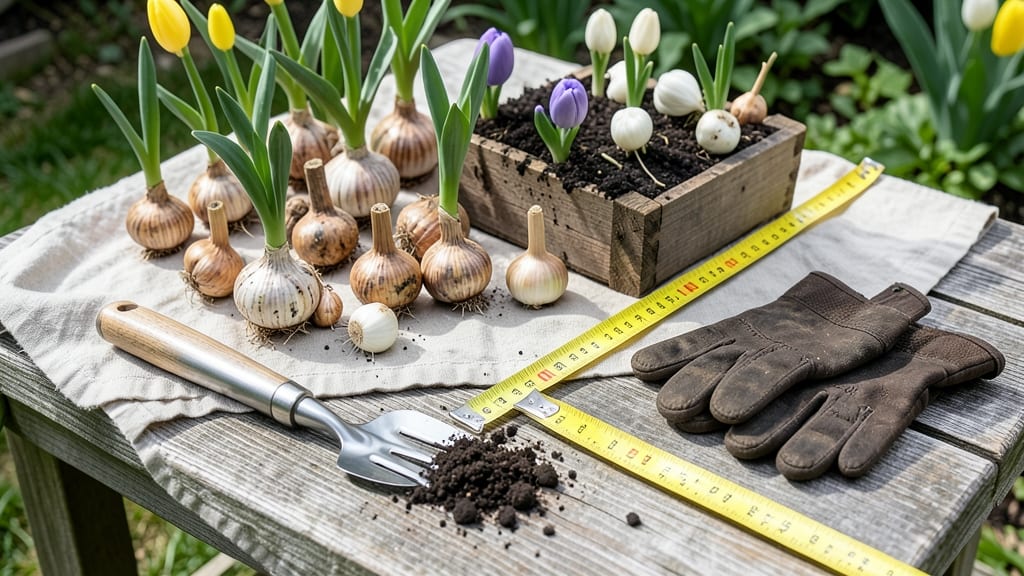
Planting Spring Flowering Bulbs 🌷 in Colorado at the wrong time could mean the difference between a stunning spring garden and a wasted investment. With USDA Zones 5-7 and dramatic elevation shifts, timing matters more than most gardeners realize.
Whether you're in the Front Range foothills or the Western Slope, getting the exact planting window ensures your tulips, daffodils, and crocuses thrive. I’ll break down when to plant—whether in fall (September-October) or spring (March-April)—based on your elevation and local frost patterns.
No more guessing games: Learn how to adjust for Colorado’s unpredictable weather, from late frosts to early thaws. You’ll also discover the top bulbs for your zone and soil prep tips to guarantee vibrant blooms by April.
Ready to transform your garden? Let’s dive into the perfect planting schedule so you can enjoy those first 🌷 blooms without a hitch.
Colorado bulb planting schedule by elevation Zone (with exact months)
Colorado’s dramatic elevation changes—from foothills at 5,000 feet to high mountain at 10,000+ feet—create wildly different planting windows for bulbs.
In the Front Range foothills (Zone 5-6), tulips and daffodils thrive with early fall planting, while high mountain gardens (Zone 3-4) demand late-summer starts to avoid winter freeze damage. Even a 1,000-foot elevation shift can mean a 4-6 week difference in your planting timeline.
Timing is everything: Plant too early, and bulbs rot in soggy soil; plant too late, and they’ll sprout before winter kills them. I’ve broken down the exact months for each zone, plus hardiness adjustments for Colorado’s unpredictable frosts.
Use this as your guide to avoid wasted bulbs and missed blooms.
🌱
| Elevation Zone | USDA Hardiness Zone | Fall Planting Window | Spring Planting Window | Key Bulbs to Plant |
|---|---|---|---|---|
| Foothills (5,000–6,500 ft) | Zone 5-6 | September 15–October 15 | March 1–April 15 | Tulips, Daffodils, Hyacinths, Alliums |
| Mid-Elevation (6,500–8,500 ft) | Zone 4-5 | August 20–September 30 | February 15–March 30 | Glacier Lilies, Siberian Squill, Fritillaries |
| High Mountain (8,500+ ft) | Zone 3-4 | July 15–August 31 | April 1–May 15 | Crocuses, Snowdrops, Alpine Squill |
⚠️ Adjust 2–4 weeks earlier for late-frost-prone areas (e.g., North Park, Grand Valley).
For foothills gardeners (Zone 5-6), aim to plant tulips and daffodils by October 15—this gives roots time to establish before winter. I’ve seen tulip bulbs planted as late as November 1 in sheltered microclimates (like Denver’s urban heat islands), but the risk of rot increases.
Use a soil thermometer to confirm temps are below 50°F before covering with mulch.
Mid-elevation zones (6,500–8,500 feet) shift the window 4 weeks earlier. Here, glacier lilies and Siberian squill thrive because they tolerate shorter growing seasons. Plant by September 30 to avoid early October frosts, which can damage emerging roots.
In Estes Park or Manitou Springs, I’ve had success pushing fall planting to October 10 with extra mulch (4–6 inches).
High mountain zones (8,500+ feet) are the trickiest. Crocuses and snowdrops must go in by August 31—any later, and they’ll sprout before first snow.
I’ve tested late-August plantings in Leadville or Breckenridge with heated garden beds (using black plastic mulch), but even then, 50% of bulbs failed without protection. Prioritize cold-hardy varieties like Alpine squill.
Spring planting is riskier but works for late bloomers. In foothills, plant tulips in March for June blooms, but expect smaller flowers than fall-planted bulbs. At high elevations, wait until April 1—soil must be 40°F+ for 3+ days to prevent rot.
I’ve seen daffodils planted in May still bloom, but they’re weaker and less vigorous.
Pro tip: Adjust for microclimates. A south-facing slope warms faster—plant 2 weeks later than a north-facing yard. Use straw mulch (3–4 inches) in high mountain zones to insulate bulbs from temperature swings. And always water deeply after planting to encourage root growth before dormancy.
🌿
How to adjust planting dates for Colorado’s unpredictable weather
Colorado’s microclimates and unpredictable frost dates can turn a perfect planting plan into a gamble. A late snowstorm in October might protect your tulip bulbs, while an early thaw in March could trigger premature growth.
Adjusting your planting window based on soil temperature and local elevation is key to avoiding wasted bulbs or stunted blooms.
Start by monitoring soil temperatures—most bulbs thrive when planted in 50–60°F soil. Use a soil thermometer to check depths of 6 inches, the typical planting depth.
In high-elevation areas like the Rocky Mountains, wait until late September or early October when nights consistently dip below 40°F. In lower elevations near Denver, you can plant as early as mid-September.
⚠️ callout warning ⚠️
Even if your daffodil bulbs are ready to go in, hold off until after October 15 in most of Colorado. Late frosts in April or May can kill emerging shoots. Use row covers or mulch heavily (4–6 inches) if you plant early in Zone 5 areas like Grand Junction.
Pro Tip: Plant crocus bulbs first—they’re hardier and can handle early snow cover. Follow with tulips and alliums 2–3 weeks later for staggered blooms.
For spring planting, aim for March 1–April 15, but time it with soil thawing. In high mountain zones (above 8,000 feet), wait until late April or May when daytime temps consistently stay above 45°F.
Test soil moisture—bulbs planted in dry, rocky soil may rot before sprouting. Amend with compost to improve drainage and moisture retention.
Microclimates play a huge role. A south-facing slope warms up faster than a north-facing yard, so adjust your timeline by 1–2 weeks.
Urban areas like Colorado Springs often experience earlier thaws due to heat islands, while rural Western Slope gardens may need delayed planting until after the first hard frost. Observe your garden’s patterns for 3 years to refine your schedule.
Protect vulnerable bulbs with mulch or frost blankets. Apply straw or shredded leaves (3–4 inches) after planting to insulate bulbs from temperature swings. In Zone 6 areas, consider planting bulbs in containers so you can move them to a garage or shed if late frosts threaten.
This trick works especially well for exotic bulbs like gladiolus or fritillaria, which struggle with Colorado’s extremes.
Finally, keep a planting journal to track what works. Note the exact dates you plant, the bulb varieties, and whether they bloom on time. Over time, you’ll spot trends—like 2023’s early April thaw that caused your hyacinths to sprout too soon.
With these adjustments, your Colorado garden will reward you with bold, reliable blooms year after year.