
Plants
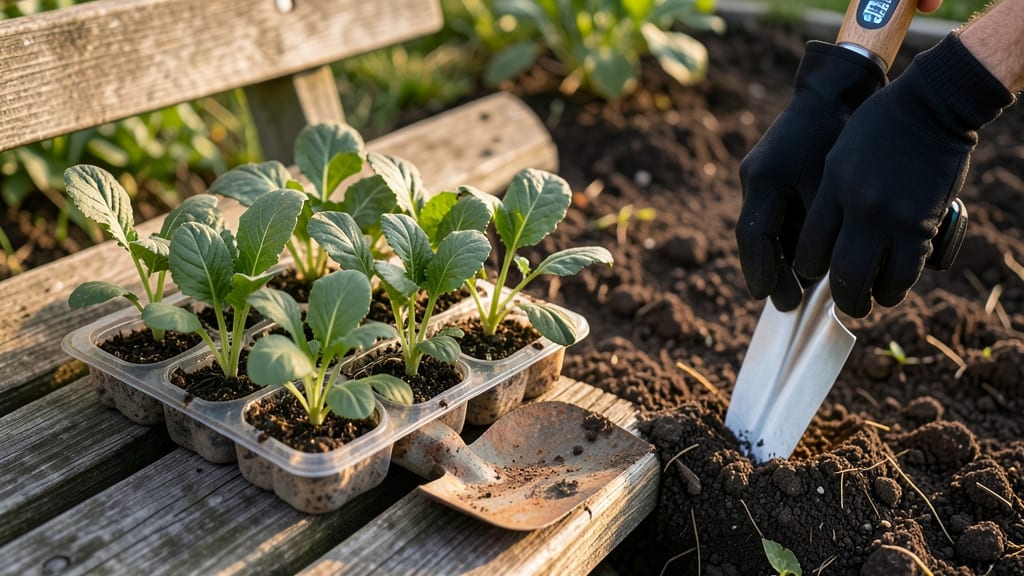
Planting mustard greens in Louisiana isn’t just about timing—it’s about beating the heat and avoiding the frost that can turn your harvest into a gamble.
With fall and spring being your best bets, you’ll want to start seeds 6–8 weeks before the first frost, usually between mid-August and early September for a fall crop, or in late February for spring.
Here’s the kicker: Louisiana’s humid subtropical climate means your greens can bolt faster than you think if you plant too early. Whether you’re in New Orleans’ warmer zones or Shreveport’s cooler stretches, knowing your parish’s frost dates is the key to success.
I’ll break down exactly when to put you in the ground for a thriving harvest.
You might assume cooler weather is always better, but mustard greens need warmth to thrive—soil temps between 50–75°F are ideal. That means waiting until the ground warms up after those chilly spring mornings. Let’s dive into the perfect planting windows and how to stretch your harvest season.
From succession planting to heat-tolerant varieties, I’ve got the strategies to keep you growing strong even when Louisiana’s summer sun tries to take over. Ready to turn your garden into a mustard green powerhouse? Let’s get started.
Louisiana mustard greens planting calendar by frost dates and parish zones
Mustard greens thrive in Louisiana’s cool-season windows, but your parish’s frost dates determine the perfect planting time. Unlike northern states, Louisiana’s humid subtropical climate allows for fall and winter harvests—if you plant correctly.
The key? Start seeds or transplants when soil temps hit 50–75°F and avoid summer’s heat, which causes bolting.
Your last frost dates vary dramatically across parishes. For example, Orleans Parish (New Orleans) has a later frost window than Caddo Parish (Shreveport), meaning you can plant mustard greens 2–3 weeks earlier in north Louisiana.
Below, I’ve mapped out the optimal planting windows for 10 key parishes to maximize your greens’ potential.
Mustard greens are a cool-season crop, so focus on fall and winter planting. In Louisiana, this means starting seeds 6–8 weeks before your first frost (typically October–November) and again in late summer (August) for a fall harvest. Spring planting is trickier—wait until February–March to avoid early frost damage.
Soil temperature is critical. Mustard greens germinate best at 50–75°F. Use a soil thermometer to confirm readiness, especially in warmer parishes like Jefferson, where soil stays warm longer. If temps drop below 40°F, growth stalls, and greens may bolt prematurely.
Here’s your parish-by-parish planting calendar, including last frost dates, ideal planting windows, and harvest timelines to avoid summer’s heat. Bookmark this for your next mustard greens batch!
| Parish | Last Frost (Avg.) | First Frost (Avg.) | Fall Planting Window | Winter Planting Window | Harvest Time |
|---|---|---|---|---|---|
| Orleans | Jan 20 | Dec 1 | Aug 15–Sep 15 | Feb 1–Mar 15 | Oct–Nov, Mar–Apr |
| Caddo | Jan 10 | Nov 20 | Aug 1–Sep 10 | Jan 15–Feb 10 | Sep–Oct, Feb–Mar |
| Jefferson | Jan 22 | Nov 30 | Aug 10–Sep 20 | Feb 1–Mar 10 | Oct–Nov, Mar–Apr |
| Lafayette | Jan 15 | Nov 15 | Aug 5–Sep 15 | Jan 30–Feb 20 | Sep–Oct, Feb–Mar |
| East Baton Rouge | Jan 18 | Nov 25 | Aug 12–Sep 18 | Feb 1–Mar 12 | Oct–Nov, Mar–Apr |
| Bossier | Jan 5 | Nov 10 |
How to extend your mustard greens harvest in Louisiana’s heatLouisiana’s summer heat can turn mustard greens from a leafy delicacy into bolted, bitter plants faster than you can say "gumbo." But with the right strategies, you can keep your greens thriving even when temperatures climb above 85°F. The key? Combining heat-tolerant varieties, smart shade solutions, and precise watering techniques tailored to our clay-heavy soils. Let’s break down how to beat the heat and enjoy fresh mustard greens straight from your garden. First, choose heat-resistant varieties like ‘Southern Giant Curled’ or ‘Florida Broadleaf’, which are bred to handle Louisiana’s humidity and occasional heat spikes. These varieties stay productive longer than standard types, giving you a 2–3 week extension in your harvest window. Pair them with succession planting every 2 weeks from late summer into early fall to ensure a continuous supply of greens before the first frost. Here’s how to maximize your harvest with proven techniques:
Don’t overlook the power of succession planting. In Louisiana, start your first batch in late August (after the worst heat waves) and follow up with 2-week intervals until early October. This staggered approach ensures you’re always harvesting fresh greens while older plants mature. For example, if your first planting bolts in early September, your second batch (planted August 25) will be ready to harvest just as the first one declines. One common mistake is assuming all mustard greens are created equal. Heat-tolerant varieties like ‘Southern Giant Curled’ can handle up to 90°F for short periods, while standard varieties may bolt at 75°F. Pair your seed choices with drip irrigation to deliver water directly to roots, minimizing leaf wetting and fungal risks. Always check soil moisture by hand—clay soils can feel damp on the surface but dry out deeper. With these techniques, you’ll transform Louisiana’s heat from a harvest killer into an opportunity for longer, more productive growing seasons. Start with shade, amend your soil, and keep those roots cool—your taste buds (and dinner plate) will thank you. Happy gardening! |