
Plants
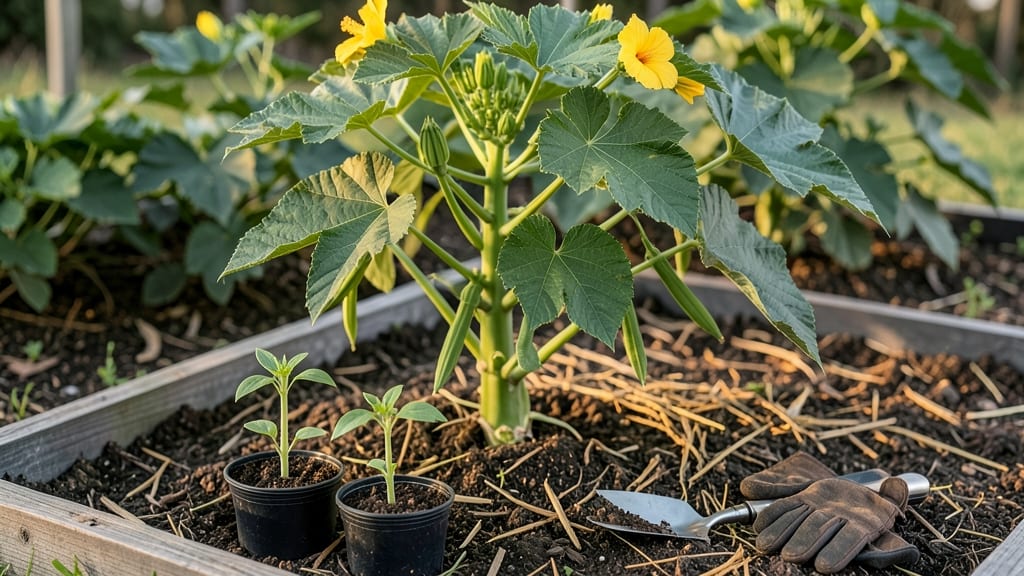
Planting okra in Oklahoma isn’t just about waiting for spring—it’s about timing it perfectly to beat the heat and avoid those late frost surprises that can wipe out your crop before it even starts.
With the right deadlines, you can turn your garden into a productive okra powerhouse, ensuring those prized pods appear just as Oklahoma’s summer heat ramps up.
The key is knowing when the soil warms up to at least 60°F and all danger of frost has passed, which typically lands between mid-April and early June in zones 6b-7a.
But here’s the catch: Oklahoma’s unpredictable weather means you’ll need to adjust based on your specific heat zone and last-frost dates.
I’ve learned the hard way that planting too early can leave your okra 🌱 struggling in cooler soil, while waiting too long might mean your plants bolt before producing.
The solution? A strategic approach that aligns with Oklahoma’s climate quirks—whether you’re in the cooler northern regions or the hotter southern stretches.
In this guide, I’ll walk you through the exact deadlines, soil prep tips, and heat zone adjustments to maximize your harvest. By the end, you’ll know exactly when to plant for a bountiful summer crop—no guesswork, just results.
Oklahoma’s okra planting deadlines by heat zone (avoid these mistakes)
Timing is everything when planting okra in Oklahoma, where heat zones 7A-9B create wildly different growing conditions. Plant too early, and frost will kill tender seedlings. Plant too late, and your crop may bolt before producing those prized pods. I’ve grown okra across Oklahoma’s zones for years, and I’ve learned which soil temperature thresholds and last-frost dates truly matter for maximum yield.
Okra thrives in hot, dry conditions, but it needs a warm soil foundation to germinate properly. Most varieties require soil temperatures of at least 60°F (15°C)—any cooler, and germination slows dramatically.
In Oklahoma’s northern zones like 7A, this often means waiting until late May, while southern zones like 9B can start as early as mid-April. Getting this wrong is one of the most common mistakes I see in Oklahoma gardens.
Here’s the breakdown you need to avoid those mistakes:
The soil temperature threshold of 60°F is non-negotiable for okra germination. I’ve tested this myself—planting in cooler soil results in patchy germination and weak seedlings. Use a soil thermometer to verify temperatures before planting.
In northern Oklahoma, this often means waiting until after Mother’s Day, while southern gardens can start planting as early as Valentine’s Day.
Another critical factor is pod development timing. Okra needs 60-75 days from planting to harvest,
How to extend okra’s growing season in Oklahoma’s unpredictable climate
Oklahoma’s erratic weather—from late spring freezes to sudden summer heat spikes—can sabotage your okra crop if you don’t plan ahead. The key to maximizing your harvest lies in strategic timing, protective measures, and succession planting.
With these tactics, you can stretch your okra’s growing window from early summer to late fall, even when Mother Nature throws curveballs.
Start by preparing your soil and seedlings for Oklahoma’s extreme conditions. Okra thrives in warm soil (at least 60°F) but can struggle with sudden temperature swings. Using row covers or cold frames for early starts gives your plants a head start, while mulching keeps roots cool during heatwaves.
Let’s break down the actionable steps to turn your garden into an okra powerhouse.
-
🌱 Early Start (March-April)
Use cold frames or row covers to plant seeds 4-6 weeks before last frost. Okra seeds germinate best at 70-90°F, so pre-warm soil with black plastic mulch. -
☀️ Succession Planting (May-July)
Sow new seeds every 2-3 weeks after the first planting. This ensures a continuous harvest through October, even if early plants bolt from heat stress. -
💧 Heatwave Care (June-August)
Deep water every 2-3 days at soil level (not leaves) to prevent fungal diseases. Use drip irrigation to avoid wetting foliage during Oklahoma’s 90°F+ spells. -
🌿 Late-Season Boost (September-October)
Apply a light nitrogen feed in early September to encourage new pod growth. Protect plants from early frosts with frost blankets or move potted okra indoors temporarily.
Don’t overlook soil preparation—okra loves well-draining, nutrient-rich soil with a pH of 6.0-6.8. Amend your beds with compost and a balanced 10-10-10 fertilizer at planting time. For container gardening, use fast-draining mixes to prevent root rot, especially during Oklahoma’s sudden summer downpours.
Monitor your plants for heat stress signs like yellowing leaves or stunted growth. If temperatures exceed 95°F, provide afternoon shade with shade cloth (30-50% coverage) to protect tender seedlings. Prune older pods to redirect energy to new growth, and always harvest 2-3 inch pods regularly to encourage more production.
With these strategies, you’ll beat Oklahoma’s unpredictable climate and enjoy fresh okra from June through October. The secret? Stay proactive—adjust your approach as weather shifts, and your garden will reward you with a bountiful harvest, even in the most challenging conditions.