
Plants
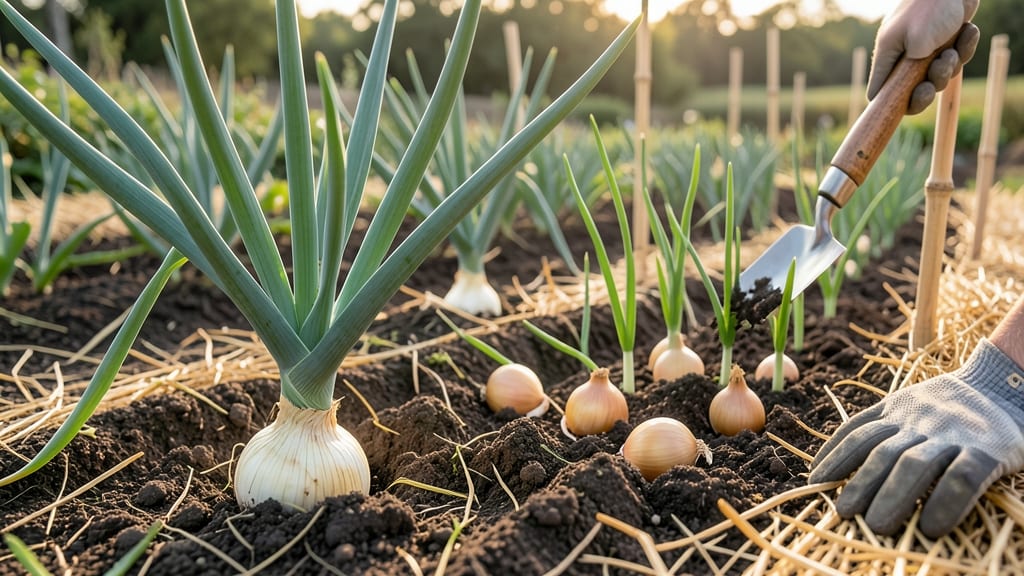
Planting onions in Oklahoma isn’t just about timing—it’s about outsmarting the heat zones that can turn your 🧅 harvest into a flop. The wrong window means bolting (those bitter, seed-stalked onions you definitely don’t want), while the perfect months guarantee sweet, plump bulbs ready by summer.
Here’s the game-changer: in zones 6a-8a, you’ve got two shots—late winter to early spring (February–March) or late summer to early fall (August–September). But which one works best for your corner of Oklahoma?
I’ll break down the exact months for your specific heat zone, plus soil prep tricks to lock in success.
Most gardeners in Oklahoma swear by transplants (sets) over seeds, but there’s a catch: short-day vs. intermediate-day varieties behave very differently under Oklahoma’s long, hot summers. We’ll cover which ones thrive where—and how to stretch your harvest window without risking bolting.
Skip the guesswork. By the end, you’ll know the precise planting dates, soil temps to watch, and even how to cheat the heat with mulch. Let’s get those onions in the ground the right way.
Oklahoma onion planting calendar by heat Zone (avoid bolting)
Oklahoma’s 6 heat zones (6a-8b) create dramatic differences in onion planting success. Plant too early, and bolting (premature flowering) ruins your harvest. Plant too late, and small bulbs result. The key? Timing based on soil temperature, day length, and frost dates specific to your zone.
Most gardeners focus on spring planting, but Oklahoma’s fall season offers a second chance for overwintering onions. In cooler zones like 6a, fall-planted onions may even survive winter to produce larger bulbs the following year.
Let’s break down the exact months for each zone to ensure zero bolting and maximum yield.
🌱 Pro Tip: Always test your soil temperature—onions need 40-60°F soil to germinate. Use a soil thermometer or plant when daytime highs consistently reach 60°F.
In Zone 6a, where winters are colder, focus on spring planting with short-day onions like ‘Texas Early White’. These varieties thrive with 10-12 hours of daylight, preventing bolting.
For fall planting, aim for 8-10 weeks before first frost—typically late August—to allow bulbs to mature before winter sets in.
Zones 7a and 7b offer flexibility. You can plant spring onions as early as February or fall onions in August-September. The trick? Use intermediate-day varieties like ‘Yellow Granex’ for fall crops. These adapt to 12-14 hours of daylight without bolting prematurely.
For Zones 8a and 8b, where winters are mild, fall planting becomes your best bet. Start seeds in July-August for a fall harvest or let them overwinter for a spring harvest.
In these zones, longer daylight hours in summer can trigger bolting, so choose heat-tolerant varieties like ‘Candy’ or ‘Texas Super Sweet’. 🌿
Regardless of zone, soil preparation is critical. Onions thrive in well-draining soil with a pH of 6.0-7.0. Work in 2-3 inches of compost before planting, and avoid fresh manure, which can cause bolting. Mulch with straw or grass clippings to retain moisture and regulate soil temperature.
One common mistake is planting onions too deep.
5 Critical factors that determine onion planting success in Oklahoma
Oklahoma’s heat zones 6a-8a create unique challenges for onion growers. The day length and soil temperatures here can trigger bolting (premature flowering) if you miss the window. I’ve learned the hard way—skipping these five factors means smaller bulbs or no harvest at all.
First, your heat zone dictates planting timing. In Zone 6a, you’ll plant earlier than Zone 8a to avoid summer heat stress. Next, day length matters—Oklahoma’s long summer days push short-day varieties to bolt. Choosing the right onion variety (short-day vs. intermediate-day) is non-negotiable.
- 1 Heat Zone Timing: Plant 4-6 weeks before last frost (Zone 6a: March 15; Zone 8a: Feb 15). Fall plantings must occur by August 15 to mature before frost.
- 2 Day Length Control: Use short-day varieties (e.g., 'Texas Early White') for Zone 6a-7a. Intermediate-day types (e.g., 'Yellow Granex') work for Zones 7b-8a where days are longer.
- 3 Soil Prep: Test for pH 6.0-7.0. Amend with compost (2-3 inches) and sand if clay-heavy. Warm soil (50°F+) speeds germination.
- 4 Mulching: Apply straw or grass clippings (2-3 inches) after planting to retain moisture and block weeds. Remove mulch 4-6 weeks before harvest to harden bulbs.
- 5 Watering Strategy: Deep water weekly (1 inch) but reduce 2 weeks before harvest. Overwatering causes rot; underwatering leads to small bulbs.
Let’s talk soil preparation—this is where most Oklahoma gardeners fail. Onions hate compacted or alkaline soil. I always mix in aged compost and gypsum (for clay soils) to improve drainage.
A quick soil test (available through OSU Extension) will tell you if you need to adjust pH levels before planting.
For variety selection, Oklahoma’s Zone 6a-7a gardeners should stick to short-day onions like '1015Y Yellow' or 'Texas Grano'. These varieties won’t bolt when exposed to 12-14 hours of daylight. Meanwhile, Zone 7b-8a growers can try intermediate-day types like 'Red Creole' or 'Granex' for larger bulbs.
Finally, mulching isn’t just about weeds—it’s a temperature regulator. In Oklahoma’s hot summers, mulch keeps roots cool and retains moisture. I use straw mulch because it breaks down slowly and doesn’t mat like grass clippings.
Just remember to pull it back before harvest to let the necks dry properly.
By mastering these five factors, you’ll eliminate bolting and grow plump, sweet onions that store well through winter. Start with your heat zone, then match it with the right variety and planting timing. Your future self (and your taste buds) will thank you! 🧅