
Plants
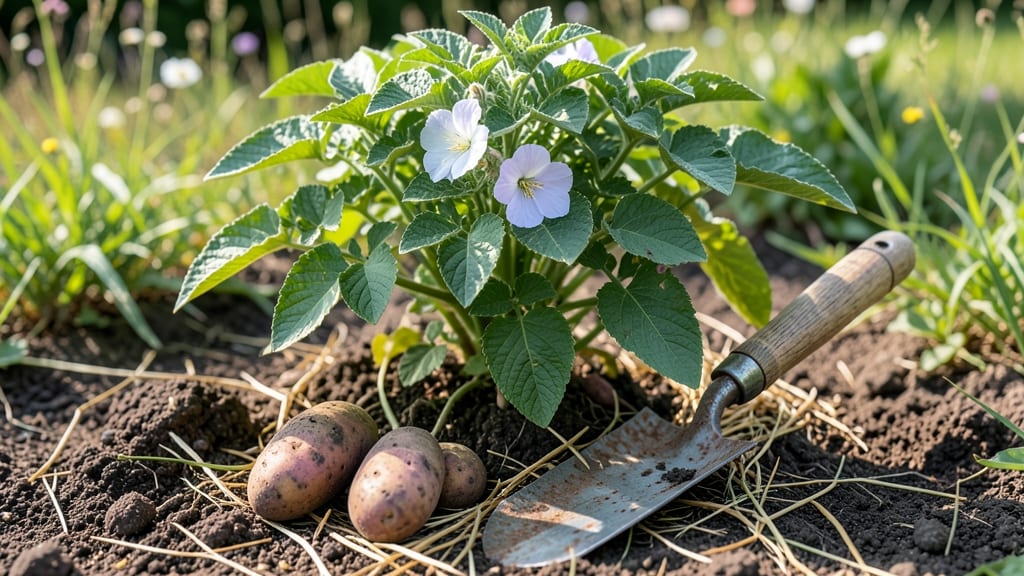
Planting potatoes in Australia isn't just about timing—it's about dodging frost, reading your local climate, and knowing when the soil is ready to welcome your 🥔. Get the dates wrong, and you could end up with a crop that never takes off or one that gets nipped by unexpected chills.
The secret lies in understanding your region's frost-free window, whether you're in the cooler highlands of Victoria or the milder coastal areas of Queensland.
Most gardeners in Australia's temperate zones aim to plant between late winter and early spring, but the exact timing depends on your last frost date. In Sydney, for example, you might start as early as late August, while in Melbourne, waiting until mid-September gives you a safer bet.
Tropical areas like northern Queensland, however, can plant year-round, with cooler months offering the best conditions.
I've learned the hard way that planting too early in frost-prone areas can ruin your harvest before it even begins. But with the right soil prep—well-drained, loose, and warmed to at least 10°C—you can set your potatoes up for success.
Let me walk you through the zone-specific dates and microclimate tips that will help you avoid common mistakes and maximize your yield.
By the end of this guide, you'll know exactly when to plant for your region, how to adjust for early or late harvests, and the 3 critical signs your potatoes are ready to go in the ground.
No more guessing—just a foolproof plan for a thriving crop, no matter where you are in Australia.
Australia’s potato planting zones: when to start by climate region
Planting potatoes in Australia requires careful timing—especially when navigating frost-sensitive regions like the NSW highlands or the cool coastal areas of Victoria. Unlike temperate climates, Australia’s diverse zones demand microclimate awareness, from tropical Queensland’s year-round growing to Tasmania’s short frost-free windows.
The key? Planting when soil temperatures hit 10°C+ and frost risk drops below 10% probability.
For zero-frost success, I’ve broken down planting windows by state, accounting for last frost dates, average frost-free periods, and regional soil warming trends. Whether you’re in Perth’s Mediterranean climate or Brisbane’s subtropical zone, these dates ensure your tubers thrive without frost damage or stunted growth.
🌱
In temperate zones like Victoria and Tasmania, aim to plant potatoes 4-6 weeks before the average last frost date to ensure tubers establish roots before cold snaps. For example, in Melbourne, planting in late August gives your crop a head start before the
How to adjust planting dates for early or late harvests in Australia
Adjusting your potato planting dates in Australia is key to avoiding frost damage and extending harvests in marginal zones like Canberra or Tasmania. By using cover crops, row covers, and succession planting, you can push your growing season earlier or later—without risking your crop.
These techniques are especially useful when frost warnings loom or you want a longer harvest window.
For early harvests, focus on winter planting with frost protection, while late-season extensions rely on heat-tolerant varieties and soil insulation. The goal? Maximize yield while working with your local climate. Even in temperate zones, a few simple adjustments can turn a risky season into a productive one.
Numbered Highlights:
- 🌱 Soil temperature reaches 8°C (46°F) consistently—test with a soil thermometer.
- 🌡️ Last frost date is 6+ weeks away (check your BOM frost forecast).
- 🌿 Seed potatoes have sprouted eyes (chit them indoors first for a head start).
- ☀️ Daylight hours exceed 12 hours (ideal for early growth).
- 🥔 Chosen variety is early-maturing (e.g., ‘Sebago’ or ‘Kennebec’ for cooler zones).
If you're in a frost-prone area, start with row covers or cloches to protect young plants. For late harvests, opt for heat-tolerant varieties like ‘Desiree’ or ‘International Kidney’, and mulch heavily to retain soil moisture.
In Tasmania or alpine regions, even a black plastic mulch can add 5-7°C to soil temperature, extending the season by weeks.
Another trick? Succession planting every 2-3 weeks ensures a staggered harvest. Plant early varieties first (e.g., ‘Rocket’), then follow with maincrop types like ‘Bonita’. This way, you’re always harvesting something—even if frost cuts the last batch short. Just ensure your soil stays loose and well-drained to prevent rot.
For urban gardeners, container growing with deep pots (30+ cm) lets you control planting dates better. Use lightweight row covers to shield from unexpected frosts, and always water deeply in the morning to reduce fungal risks.
With these adjustments, you can harvest potatoes from late spring to early summer, no matter your zone.
Remember: Monitor weather forecasts and adjust your planting timeline accordingly. A little flexibility goes a long way in Australia’s varied climates—where one week can mean the difference between a thriving crop and a frost-killed one. 🌱