
Plants
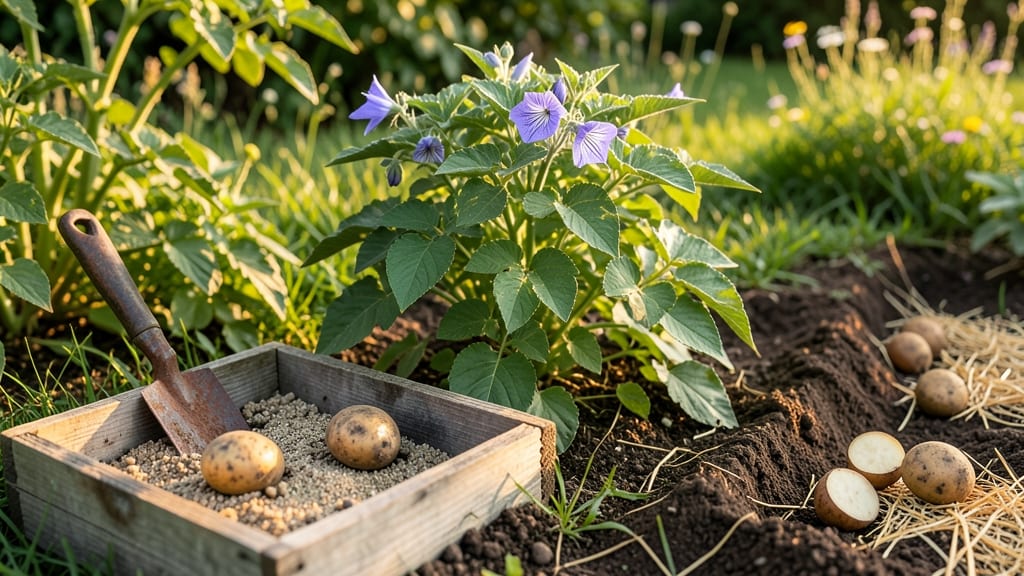
Planting potatoes in Louisiana at the wrong time can turn your 🥔 dreams into a soggy mess—especially when coastal areas stay warm while inland zones still shiver under frost. The key isn’t just knowing when to plant, but understanding how your location’s microclimate dictates success.
In USDA zones 8a-9b, early varieties like 'Yukon Gold' can go in as soon as February, while late varieties wait until March-April.
But here’s the catch: coastal gardeners have 4-6 extra weeks of growing season compared to inland areas, meaning timing shifts dramatically even within the same state.
Why does this matter? Because Louisiana’s heat and humidity don’t play nice with potatoes—plant too early, and you risk late blight; too late, and your harvest gets smothered by summer’s intensity. I’ll break down the exact windows, soil prep hacks, and variety picks that actually thrive in our climate.
Skip the guesswork: Whether you’re a first-timer or a seasoned grower, these location-specific strategies will help you dodge common pitfalls and pull bigger, healthier potatoes—without the stress. Let’s get those spuds in the ground the right way.
Louisiana potato planting calendar: coastal vs inland frost-free zones
Louisiana’s USDA zones 8a-9b create unique challenges for potato growers. Coastal areas like New Orleans (Zone 9a) enjoy milder winters, while inland zones like Shreveport (Zone 8a) face earlier frosts. These differences mean your planting window could vary by 4-6 weeks depending on location.
Potatoes thrive when soil temperatures reach 45°F (7°C)—coastal areas hit this mark by late January, while inland regions often wait until mid-February. Planting too early risks cold soil and stunted growth, while waiting too long means summer heat stress before harvest.
Here’s how to align your planting with Louisiana’s microclimates for maximum yield and disease resistance:
Coastal gardeners can start early varieties like 'Red LaSoda' as early as late January when soil warms, but avoid planting before January 20 to prevent cold damage. Inland areas should wait until mid-February to ensure soil stays above 45°F (7°C) consistently.
For both regions, aim to harvest before summer heat sets in (typically by June for coastal, July for inland). Early varieties like 'Yukon Gold' mature in 90 days, while late varieties like 'Russet' take 120 days. Adjust your planting date to align with your harvest timeline.
Use black plastic mulch to warm soil faster in inland zones, or shade cloth during peak summer to protect coastal plants. Both strategies help mitigate Louisiana’s humidity and temperature extremes, which can lead to blight and scab if conditions aren’t ideal.
Pro tip: Plant seed potatoes 4-6 inches deep and space rows 30 inches apart to allow airflow. Coastal areas may need drip irrigation to prevent fungal diseases from excess humidity, while inland zones benefit from mulching to retain moisture during dry spells.
Monitor your local frost-free date using the National Weather Service or Louisiana Climate Center—these dates shift yearly. For example, New Orleans averaged a January 25 last frost in 2023, while Shreveport saw frost until February 10.
If you’re unsure about your exact zone, check the USDA Plant Hardiness Zone Map or use a soil thermometer to confirm readiness. Planting at the right time means the difference between a bountiful harvest and a failed crop—especially in Louisiana’s unpredictable climate.
Best potato varieties for Louisiana’s climate and when to plant them
Louisiana’s humid heat and long growing season reward gardeners who choose the right potato varieties and plant at the perfect time. The wrong choice can lead to disease pressure or poor yields, but with the best heat-tolerant types, you’ll enjoy bountiful harvests from May through August.
Let’s dive into the top performers and their ideal planting windows.
For Louisiana’s 8a-9b climate zones, I recommend focusing on early-maturing varieties that avoid peak summer heat. Yukon Gold and Red LaSoda are my top picks—they thrive in our heat while resisting common diseases like late blight.
Purple varieties like Purple Viking add visual interest and store exceptionally well, making them great for fall harvests.
Planting timing varies slightly by variety and location. Coastal areas (warmer) can start as early as mid-February, while inland regions should wait until late February to early March. Always use certified disease-free seed potatoes to prevent soil-borne issues in Louisiana’s damp conditions.
For coastal Louisiana, where humidity spikes earlier, I prioritize early-maturing varieties like Red LaSoda (80-90 days) to avoid summer’s oppressive heat. Inland areas can extend planting into early April for later varieties like Kennebec, which handles cooler spring nights better.
Always plant 4-6 weeks before your last frost date for optimal growth.
Watering is critical in Louisiana’s heat—keep soil consistently moist but never waterlogged. Mulch heavily with straw or grass clippings to retain moisture and suppress weeds. I’ve found that drip irrigation in the early morning works best to prevent fungal diseases like early blight, which thrives in our damp climate.
Harvest timing depends on your goals: dig new potatoes when plants flower for tender bites, or wait until foliage yellows for full-sized tubers. In Louisiana, this typically means May-July harvests for early plantings and June-August for later varieties.
Cure harvested potatoes in a dark, humid space for 1-2 weeks to develop thick skins and improve storage life.
Don’t forget to rotate crops yearly to prevent soil-borne diseases. I’ve had the most success following potatoes with beans, corn, or grasses—never replanting them in the same spot two years in a row.
With the right varieties and timing, Louisiana’s climate can yield abundant, disease-resistant potatoes all season long! 🌱