
Plants
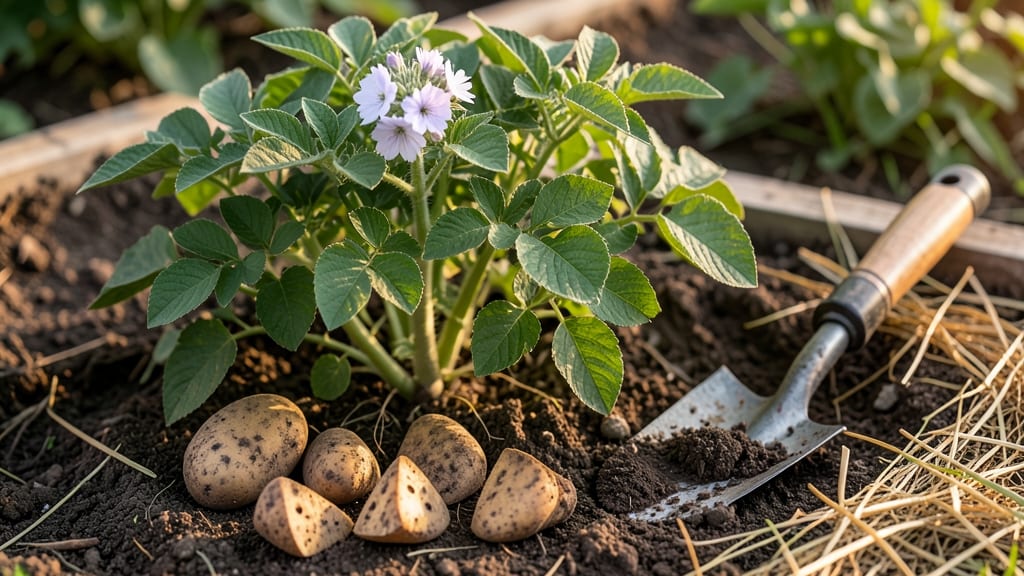
Planting potatoes in Zone 8 at the wrong time can mean the difference between a bountiful harvest of crisp 🥔 or a sad pile of sprouted seed potatoes. The key isn't just avoiding frost—it's understanding how your local microclimate and potato variety work together to give you the best results.
Most gardeners in Zone 8 focus on early spring planting, but did you know fall planting can also work? With the right timing—soil temps above 45°F and frost-free windows—you can stretch your growing season and enjoy fresh potatoes twice a year.
I'll show you exactly when to plant for both seasons, plus how to adjust for coastal vs. inland conditions.
Whether you're growing early varieties like 'Yukon Gold' or late-season 'Red Pontiac,' getting the timing right means fewer pests, better yields, and tubers that store perfectly. Let's break down the optimal planting windows so you can start your potatoes at the perfect moment for your Zone 8 garden.
Ready to transform your potato patch? I’ll walk you through the exact dates, soil prep tips, and even how to extend your harvest season—so you can enjoy homegrown potatoes from spring through fall without a single wasted spud.

Zone 8 potato planting calendar: exact dates for frost-free success
Getting your potatoes in the ground at the right time in Zone 8 makes the difference between a bountiful harvest and wasted seed potatoes. Unlike colder zones, Zone 8’s mild winters and warm springs create two distinct planting windows: early spring and late summer.
The key is avoiding frost damage while ensuring tubers mature before summer heat sets in.
Most of Zone 8 experiences its last frost between mid-November and mid-December, with the first frost arriving in late October to mid-November. However, regional variations—like coastal areas staying warmer longer—mean you’ll need to adjust your timeline.
For example, Southern Zone 8 (e.g., Houston, Orlando) can plant as early as January, while Northern Zone 8 (e.g., Dallas, Memphis) should wait until February or March.
Soil temperature is just as critical as air temperature. Potatoes thrive when soil reaches 45°F (7°C)—any colder, and sprouts may rot. Use a soil thermometer to confirm readiness, especially in cooler microclimates like inland valleys.
If your soil is too cold, opt for chitted seed potatoes (pre-sprouted) to jumpstart growth once planted.
Early planting (February–March) is ideal for early-maturing varieties like Red Norland or Yukon Gold, which can harvest in 90–100 days. Late-season planting (August–September) works for longer-season varieties like Russet Burbank or Kennebec, giving tubers time to mature before winter sets in. Both strategies avoid the summer heat stress that stunts growth in Zone 8’s intense sun.
| Planting Window | Ideal Varieties | Soil Temp | Last Frost Risk | Harvest Window |
|---|---|---|---|---|
| Early Spring (Feb–March) | Red Norland, Yukon Gold, Fingerlings | 45–55°F (7–13°C) | Low (after last frost) | April–June |
| Late Summer (Aug–Sept) | Russet Burbank, Kennebec, Purple Viking | 50–60°F (10–15°C) | None (frost-free) | October–November |
| Fall (Oct–Nov, rare) | Early varieties only (e.g., Red LaSoda) | 55–65°F (13–18°C) | High (first frost) | December (if no frost) |
🌱 Pro Tip: Mulch with straw to regulate soil temp and retain moisture.
For Northern Zone 8 (e.g., Oklahoma City, Nashville), aim to plant early varieties by February 15 to harvest before summer heat peaks.
In Southern Zone 8 (e.g., Tampa, New Orleans), you can push planting to late March or even early April for a spring crop, then repeat in August for a fall harvest. Coastal areas may extend these windows by 2–4 weeks due to moderating ocean breezes.
If you’re experimenting with fall planting (October–November), stick to fast-maturing varieties like Red LaSoda or New Potatoes and use row covers to shield from early frosts. However, this method is risky in most of Zone 8 unless you’re in the deep south, where winters are milder.
Always have a backup plan for unexpected cold snaps.
One common mistake in Zone 8 is planting too late in spring, only to have tubers overheat before harvest. To avoid this, choose shade-tolerant varieties like Adirondack Blue or use lightweight row covers during peak summer heat.
For container growing, plant in black pots to absorb heat and extend the season by 2–3 weeks.
Monitor your potato plants closely for blossoms, which signal tubers are forming below ground. Once flowers fade, stop fertilizing to prevent greening (toxic solanine buildup). In Zone 8, harvest timing is critical—wait too long, and tubers will sprout or rot in the heat
How to adjust potato planting for Zone 8 microclimates and varieties
Zone 8's diverse microclimates mean your potato planting strategy should change based on whether you're in a coastal heat zone, inland valley, or urban heat island.
For example, coastal areas like San Diego can plant as early as January, while inland valleys like Phoenix might wait until March to avoid heat stress. The key is matching your potato variety to your local conditions.
Early varieties like 'Red Norland' thrive in cooler coastal areas, while heat-tolerant 'Yukon Gold' handles inland valleys better. Fall planting also works in Zone 8 - aim for August-September to harvest before winter rains. I’ll show you how to adjust timing for each microclimate while maximizing yield potential.
Zone 8 Potato Planting Timing Guide
✅ DO THIS
- Coastal Areas: Plant 'Early Red' in January-February (soil 45°F+)
- Inland Valleys: Wait until March-April for 'Yukon Gold'
- Urban Heat: Use black plastic mulch to warm soil faster
- Fall Planting: Choose late varieties like 'Kennebec' in August
❌ AVOID THIS
- Planting too early in inland areas (frost risk)
- Using early varieties in hot inland zones (poor tuber formation)
- Skipping chitting for fall planting (slower germination)
- Planting after mid-September (harvest before frost)
🌱 Pro Tip: Test soil temps with a thermometer - potatoes need 45°F+ to sprout
For coastal microclimates, focus on early-maturing varieties like 'Red LaSoda' that can handle cooler, foggy mornings. These areas benefit from spring planting as early as January, but avoid planting after March 15th to prevent heat stress before harvest.
I've found that chitting potatoes (pre-sprouting in light) gives them a 2-week head start in these cooler conditions.
Inland valleys experience hotter, drier conditions, making mid-season varieties like 'Russet' ideal. Plant these in March-April when soil temps stabilize above 50°F. Use mulch to retain moisture and prevent tuber scab. For urban heat islands, consider container growing with heat-tolerant 'Sweetheart' potatoes to control microclimates.
Fall planting in Zone 8 works best with late varieties like 'Kennebec' planted in August. These need 90-120 days to mature before frost. I recommend soil testing first - aim for pH 5.0-6.5 and add compost for better drainage. Always rotate crops to prevent disease buildup from previous seasons.
Remember that soil preparation is just as critical as timing. Work in 2-3 inches of compost and avoid fresh manure, which can cause scab disease. For urban gardens, raised beds with 50% compost give you the best control over soil conditions.
With these adjustments, you'll get consistent yields regardless of your Zone 8 microclimate.