
Plants
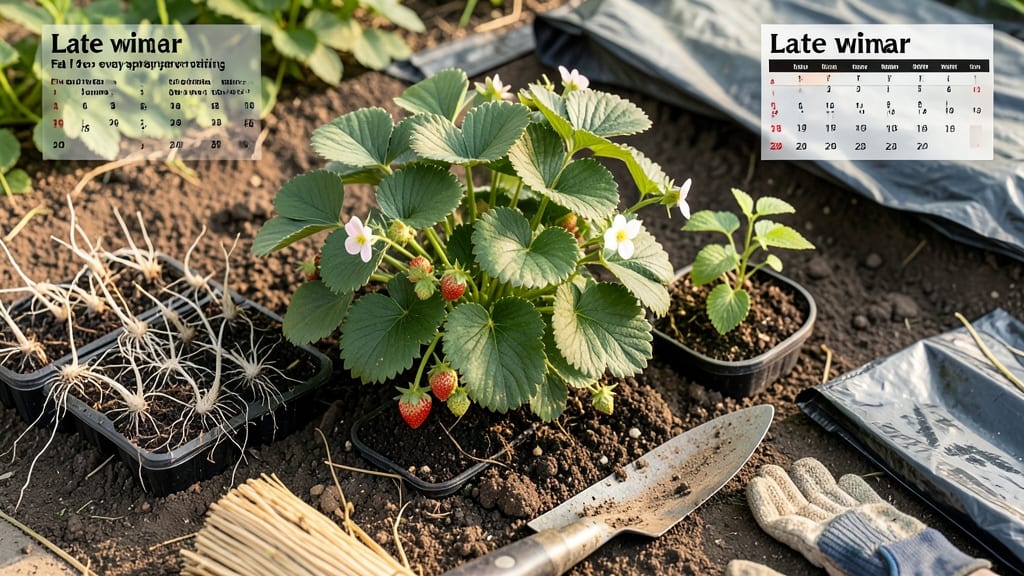
Planting strawberries in Tennessee at the wrong time can mean the difference between a bountiful harvest of juicy 🍓 and a sad, frost-killed disappointment.
With USDA zones ranging from 6a to 7b, timing is everything—especially when last frosts linger into April in the mountains while the Deep South warms up faster.
Most gardeners know spring is the prime window, but did you know fall planting can actually give you an earlier harvest? The key is understanding your exact frost dates and soil temperatures, which vary wildly across Tennessee's diverse landscapes.
Whether you're growing June-bearing, everbearing, or day-neutral varieties, getting this right ensures stronger plants and bigger yields.
I'll walk you through the precise planting months for your specific heat zone, plus soil prep secrets that make all the difference. No more guessing—just science-backed timing that works for Tennessee's climate. Let's get those strawberries in the ground when they'll thrive.
From the Smoky Mountains to Nashville's valleys, we'll cover how elevation affects your schedule and simple adjustments to extend your growing season. Ready to plant with confidence? The best time to start is now—before the weather decides for you.
Tennessee strawberry planting calendar by heat Zone (USDA zones 5-8)
Tennessee’s five distinct USDA zones (5a-8a) create wildly different planting conditions for strawberries. In Zone 5a, cold snaps linger into May, while Zone 8a can plant through November. Timing your strawberry varieties correctly ensures robust root establishment before winter or summer heat.
Let’s break down the exact monthly windows by zone, including soil temperature thresholds and frost risk.
For all zones, soil temperature must reach 40°F+ for planting. Use a soil thermometer to verify—cold soil delays germination. June-bearing varieties need 4-6 weeks before last frost, while everbearing/day-neutral types tolerate later starts. Below, I’ve mapped out optimal planting dates with frost-free averages and critical soil prep steps.
In Zone 5a, where last frosts often hit April 15, aim for March 15–April 1 planting. Use black plastic mulch to warm soil faster—this can shave off critical weeks.
For Zone 8a, you’ve got a rare advantage: November planting works if soil stays above 35°F. Test this by covering beds with row covers after planting to trap heat.
Fall planting in Zones 6a–7b (September–October) gives strawberries time to establish roots before winter. The key is 6–8 weeks before first frost—this ensures root hardening before dormancy.
In Zone 7a, where frosts arrive mid-November, September 15 is your cutoff. Use straw mulch (3–4 inches) to insulate roots during cold snaps.
Pro tip: Soil temperature matters
How to adjust planting time for Tennessee’s microclimates (mountains vs. valley vs. plateau)
Tennessee’s dramatic topography creates three distinct microclimates—mountains, valleys, and plateaus—each with unique frost risks and soil warming patterns. In the Appalachian Mountains (USDA Zones 5-6), late frosts can linger until May 15, while the Deep South valleys (Zones 7-8) often see frost-free conditions by March 1.
Even nearby plateaus like the Cumberland Plateau can have 2-4 weeks earlier frost dates than adjacent lowlands.
For strawberry success, these differences mean adjusting your planting window by 4-8 weeks depending on elevation. Mountain gardeners should plant everbearing varieties in late April to avoid spring frosts, while valley gardeners can start June-bearing types as early as February.
The plateau’s intermediate climate allows fall planting in September for a spring harvest.
Soil temperature is your best guide—wait until the ground reaches 40°F at 4-inch depth before planting. In cooler mountain zones, use black plastic mulch to warm soil 5-10°F faster. Valley gardeners can skip this step but should avoid planting after April 15 to prevent summer heat stress on young plants.
Late-spring cold snaps are the biggest threat to Tennessee strawberries, especially in Zone 6 plateaus where temperatures can drop to 28°F in April. Protect young plants with frost cloth or row covers if nighttime temps dip below 32°F.
Valley gardeners should monitor National Weather Service alerts for freeze warnings, as urban heat islands can create microclimates where frosts are 2-3 days later than rural areas.
For fall planting, mountain gardeners have until September 15 to establish roots before winter, while valley gardeners can extend this to October 15. Use day-neutral varieties like 'Albion' or 'Seascape' for fall plantings—they tolerate cooler soils better than June-bearing types.
Always mulch heavily (4-6 inches) to insulate roots during winter.
Remember: Tennessee’s microclimates can shift dramatically over just 10 miles. Check your local cooperative extension office for precise frost data, and consider planting a mix of varieties to spread out your harvest window.
With these adjustments, you’ll avoid the heartbreak of frost-killed plants and enjoy sweet strawberries from May through July—no matter where you garden in the state!