
Plants
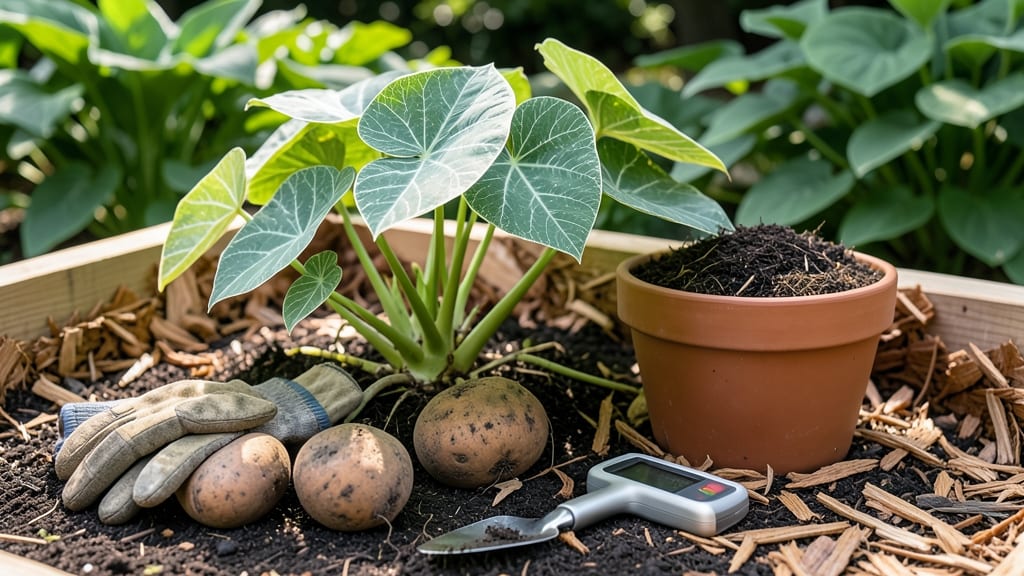
Planting caladium bulbs in Houston at the wrong time means watching your vibrant 🌸 leaves wilt before they even bloom—thanks to our unpredictable spring weather and steamy summers.
The key to success lies in waiting for the soil to warm up past 60°F, a threshold that Houston’s microclimates can hit as early as late February or as late as mid-April.
If you’ve ever rushed to plant and ended up with soggy bulbs or stunted growth, you’re not alone. Houston’s mix of heavy clay soil and sudden heat spikes makes timing everything.
I’ll show you how to read your local cues—like checking soil temperature and watching for consistent warmth—to avoid common mistakes that turn your caladiums into a flop.
Once you’ve mastered the perfect planting window, the next challenge is keeping those gorgeous leaves thriving. From adjusting watering schedules to picking the right shade spots, I’ll walk you through Houston-specific care tips that make all the difference. Let’s get your caladiums off to a show-stopping start.
Whether you’re a seasoned gardener or just starting, these insights will help you turn your Houston garden into a lush display of 🌸 beauty—without the guesswork. Ready to dive in?
Houston’s caladium planting calendar: soil temperature rules for zero frost risk
Houston’s humid subtropical climate (USDA Zone 8b-9a) creates a tricky balance for caladium bulbs—too early, and late frosts can kill tender tubers; too late, and your showy foliage arrives after summer heat sets in.
The key? Soil temperature, not just air temperature. Caladiums need consistent 60–65°F soil to sprout safely, and Houston’s microclimates (urban vs. rural) can delay or speed up this threshold by weeks.
Most gardeners rely on last frost dates, but Houston’s Zone 9a average last frost (around February 15) is misleading—soil warms slower than air, especially in clay-heavy Houston soil.
That’s why I’ve broken down the exact soil temperature rules for Houston’s two frost-free zones (A and B) and how to verify your microclimate’s readiness before planting.
Why soil temperature matters: Caladium bulbs won’t sprout until soil hits 60°F, but they’ll rot if planted in cold, wet soil. Houston’s spring rains (March–April) can keep soil below this threshold for weeks, even when daytime temps feel warm. Using a soil thermometer (not air temp!) is your best tool to avoid this pitfall.
Houston’s Zone 9a (urban areas like Montrose or Downtown) warms faster than Zone 8b (rural areas like Katy or Conroe), but don’t assume you’re safe just because your neighbor planted in March. Microclimates—like pond edges or north-facing yards—can delay soil warming by 2–3 weeks.
Always check your spot with a soil thermometer for 3–4 consecutive days before planting.
Pro tip: Black plastic mulch can raise soil temps by 5–10°F in Houston’s clay, accelerating sprouting. Lay it down 1–2 weeks before planting to warm the soil faster. Just remove it once bulbs sprout to prevent overheating.
If you’re unsure about your microclimate, pre-sprout bulbs indoors under grow lights in early March. Plant them outside only after soil hits 60°F and night temps stay above 50°F. This two-step method gives you a 3-week head start on Houston’s unpredictable spring.
Remember: Caladiums are tropical—they hate cold soil but also intense Houston heat if planted too late. Aim for mid-April in urban Houston and early April in rural areas.
Use the summary table above as your guide, but always verify soil temps—it’s the only way to guarantee your bulbs sprout, not rot.
Once planted, mulch heavily to maintain soil warmth and moisture. Houston’s clay soil dries out fast, but it also stays cold longer than you’d expect. A 2-inch layer of straw mulch keeps soil temps stable and prevents bulb rot during our unpredictable spring rains. 🌱
Step-by-step Houston caladium planting: from bulb prep to post-planting care
Houston’s clay-heavy soil and humid summers demand special prep before planting caladium bulbs. Unlike northern climates, Houston’s Zone 9a lets you start bulbs indoors in February—but only if you’re dealing with late freezes.
Most gardeners here wait until mid-April when soil temps hit 60°F+ consistently. The key? Preventing bulb rot in Houston’s damp air while ensuring vibrant foliage.
Start with firm, disease-free bulbs—squeeze them gently to check for soft spots. If your bulbs arrive shriveled, soak them in lukewarm water for 2 hours before planting. Houston’s heavy clay needs amending with compost and perlite to improve drainage, or your bulbs will suffocate.
Test your soil’s moisture retention by squeezing a handful: if it forms a tight ball, add more organic matter.
Choose plump, firm bulbs with no mold or soft spots. Discard any with shrunken or mushy areas—these won’t survive Houston’s humidity. Soak bulbs in lukewarm water for 2 hours if they feel dry or wrinkled.
Amend Houston’s clay soil with a mix of 50% native soil, 30% compost, and 20% perlite. This improves drainage while retaining moisture. Work the amendment into the top 12 inches of soil where bulbs will sit.
Plant bulbs 4–6 inches deep (shallower than northern zones) and 6–8 inches apart. Houston’s heat speeds up growth, so deeper planting risks rot from poor airflow. Use a trowel to create holes and place bulbs with the flat side down.
Water lightly immediately after planting, then reduce to 1 inch per week. Houston’s afternoon rains can drown bulbs, so use a rain gauge to track moisture. Mulch with 2–3 inches of straw to retain moisture and block weeds.
Week 1: Check for yellowing leaves (sign of rot) and adjust watering. Week 2: Apply balanced fertilizer (10-10-10) lightly. Week 3: Thin seedlings to 6 inches apart if overcrowded. Houston’s humidity demands fungicide spray every 2 weeks if leaves spot.
Houston’s summer heat accelerates caladium growth, so expect foliage in 6–8 weeks if planted correctly. The first 3 weeks are critical: bulbs need consistent moisture but no soggy soil.
Use a soil probe to check moisture—if it’s dry at 2 inches deep, water deeply. Avoid wetting leaves to prevent fungal diseases like leaf spot, common in Houston’s damp air.
Once your caladiums establish, they’ll reward you with showy, heart-shaped leaves in vibrant colors. In Houston, these plants thrive as annuals—dig up bulbs in fall before frost (though Houston rarely freezes).
Store them in a cool, dry place and replant next spring. For year-round color, grow caladiums in containers and move them under cover when temps drop below 50°F.
Pro tip: Houston gardeners swear by ‘White Queen’ and ‘Candidum’ varieties—they handle the heat better than others. Pair caladiums with impatiens or ferns for a lush, shaded garden bed that thrives in Houston’s partial shade conditions.
With the right prep, your caladiums will outshine even the humid Houston summers!