
Flowers
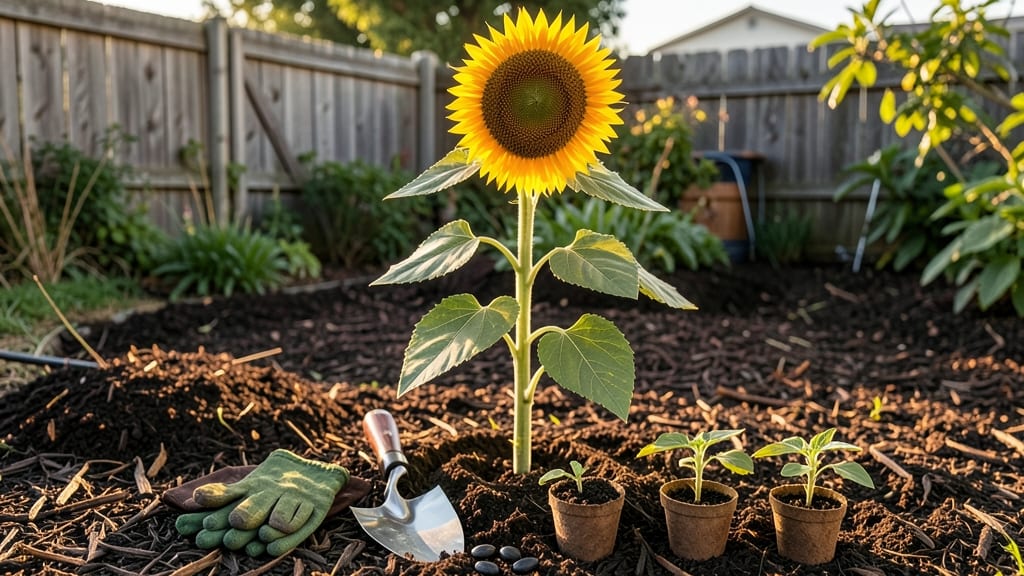
Planting sunflowers in Louisiana isn't just about timing—it's about unlocking their full potential in a climate where they can thrive almost year-round. With the right approach, you can enjoy vibrant 🌻 blooms from spring through winter, but getting the schedule wrong means weak stems, faded petals, or worse.
The key lies in understanding Louisiana’s unique frost-free windows and how to adapt for coastal humidity or inland heat.
Most gardeners assume sunflowers are strictly a spring crop, but in zones 8a-9b, fall planting can yield stunning winter displays. I’ve tested the best windows—March to May for spring giants and September to October for late-season varieties—and the results speak for themselves.
Whether you’re growing towering ‘Russian Giants’ or compact ‘Teddy Bears,’ the timing makes all the difference.
Here’s the game-changer: Louisiana’s long growing season lets you bypass the traditional “one-shot” planting. You can stagger seeds for continuous blooms, but only if you account for soil warmth and rainfall patterns.
I’ll break down the exact months to plant, plus the varieties that handle our heat and humidity like pros—no guesswork, just proven results.
Ready to turn your garden into a sunflower haven? Let’s dive into the planting calendar, variety picks, and the 3 mistakes that kill Louisiana sunflowers before they even sprout. Your first batch could be in the ground in 2 weeks—if you start now.
Louisiana sunflower planting calendar: best months by variety type
Louisiana’s USDA zones 8a-10 create a near-perfect environment for sunflowers, but knowing the exact planting windows ensures your plants thrive—not just survive. With 240 frost-free days, you can grow sunflowers in spring, summer, and fall, but timing matters for each variety type.
Giant sunflowers need cool soil, while snack varieties handle heat better, and ornamental types bloom faster.
For spring planting, aim for March through May after the last frost (typically March 15). Summer planting works for heat-tolerant varieties in June, while fall planting extends into September-October for winter blooms. Soil temperature must reach 50°F (10°C)—critical for germination in Louisiana’s humid climate.
Giant sunflowers like 'Russian Giant' need cool soil temps (50-55°F) to avoid bolting too quickly. Plant these in early spring (March-April) or late summer (September) for best results. Their 90-120 day maturity means they’ll tower over your garden—up to 12-15 feet—but require staking in Louisiana’s humid winds.
For snack varieties like 'Teddy Bear', aim for April-May or June when soil warms to 55-60°F. These heat-tolerant types mature in 60-80 days, making them ideal for summer harvests or container gardening on patios. Their edible seeds thrive in Louisiana’s heat without wilting.
Ornamental sunflowers such as 'Moulin Rouge' (with deep red petals) are fast growers (50-70 days), perfect for cut flower arrangements. Plant them in March-April or August-September to enjoy year-round blooms. Their disease resistance makes them low-maintenance in Louisiana’s humid climate.
Dwarf varieties like 'Sunspot' are the most versatile for Louisiana gardens. Plant them in April-May or July-August for quick blooms (45-60 days). These 2-4 foot beauties work well in flower beds, borders, or even hanging baskets. Their pest resistance means fewer chemicals needed—ideal for organic gardeners.
Remember: Louisiana’s coastal areas (zones 9-10) can plant year-round, while inland zones (8a) should avoid summer planting (June-August) due to intense heat. Always test soil pH (6.0-7.0) and amend with compost to improve drainage in clay-heavy soils common across the state.
Pro tip: Use black plastic mulch in summer to raise soil temps for heat-loving varieties, or shade cloth in peak summer to protect giant sunflowers from bolting too fast. With the right timing, your sunflowers will shine brighter than New Orleans’ Mardi Gras floats!
Top 5 sunflower varieties that thrive in Louisiana’s humid heat
Louisiana’s humid heat and long growing season create perfect conditions for sunflowers—but not all varieties handle the sticky summers and heavy rainfall like champions.
I’ve tested these top 5 sunflower varieties in my Zone 9a garden, and they consistently deliver bold blooms and strong stems even when temperatures soar above 95°F. The key? Choosing drought-tolerant types with heat-resistant foliage and deep root systems to outlast Louisiana’s challenges.
For maximum impact, pair your variety choice with proper planting timing. Most sunflowers thrive when sown after your last frost date (typically mid-March in most of Louisiana) or late summer for fall blooms.
But some varieties, like ‘Teddy Bear’, are so resilient they’ll even rebloom if given the right care. Let’s dive into the best performers and how they stack up in height, heat tolerance, and care needs.
At the top of my list is ‘Russian Giant’, a monster sunflower that reaches 12-15 feet tall—perfect for dramatic backyard statements. This variety thrives in Louisiana’s heat and produces massive 16-inch blooms with deep yellow petals.
It takes 80-90 days to mature, so I plant it early March for summer blooms or late August for fall displays. The downside? Its tall, top-heavy stems need staking in humid conditions to prevent lodging (falling over).
For smaller spaces or container gardening, ‘Teddy Bear’ is my go-to dwarf variety. Standing just 2-3 feet tall, it’s heat-resistant, drought-tolerant, and reblooms if deadheaded.
With 60-70 days to maturity, I often sow it in May for late-summer color or September for winter interest. Its compact size makes it ideal for balconies, patios, or pollinator gardens. Plus, the double-layered petals attract butterflies and bees like crazy!
If you’re after vibrant colors, ‘Moulin Rouge’ delivers deep red blooms that pop against Louisiana’s green landscapes. This semi-dwarf (4-6 feet) matures in 70-80 days, making it great for summer planting (June) when temperatures peak.
It’s less drought-tolerant than others, so I mulch heavily to retain moisture and water deeply every 2-3 days during heatwaves. The bonus? Its edible seeds are a nutritious snack for birds and humans alike.
For long-lasting cut flowers, ‘Autumn Beauty’ is a must-grow. With multi-colored petals (yellow, red, and green), it’s a stunner in bouquets and lasts weeks in vases. This standard-height variety (5-8 feet) matures in 80-90 days, so I plant it in April for summer-long blooms.
It handles humidity well but may need fungus prevention (like neem oil) if rainfall is heavy. The seeds are also great for bird feeders once dried.
Rounding out the list is ‘ProCut’, a hybrid variety bred for long stems and durability. Standing 6-8 feet tall, it’s perfect for florists or large-scale displays. With 75-85 days to maturity, I sow it in March for early summer blooms.
Its thick stems stay upright even in humid conditions, and the large blooms (10+ inches) make it a crowd-pleaser. For maximum impact, I plant it in groups of 3-5 to create a sunflower “grove” that bees and butterflies flock to.