
Flowers
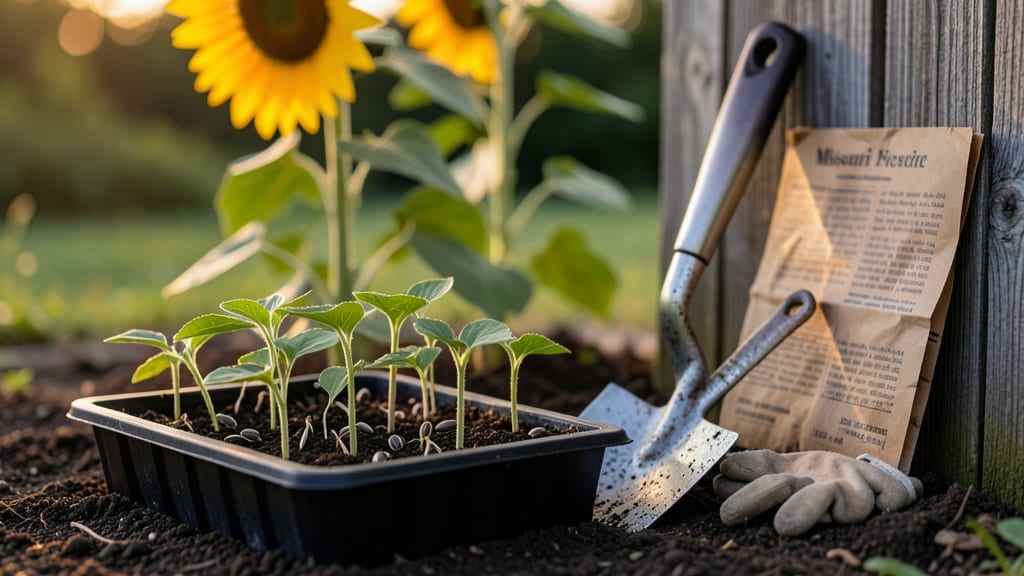
Planting sunflowers in Missouri at the right time can transform your garden from a modest patch of greenery to a towering, golden masterpiece reaching 10 feet or taller.
The key isn't just waiting for spring—it's knowing exactly when those soil temperatures hit 50°F and the last frost has passed, typically around mid-April.
Missouri's USDA Zone 6a climate means timing matters more than you might think. Plant too early, and frost will nip your young shoots. Wait too long, and your sunflowers might bolt before reaching their full potential.
I've learned the hard way that the 3-week window between mid-April and early June is where magic happens for these sun-loving giants.
What makes this even more exciting is that Missouri gardeners get to choose from varieties that thrive in our heat and humidity.
Whether you're dreaming of Mammoth sunflowers that dwarf your fence or cheerful Teddy Bear varieties perfect for cutting, the right planting schedule sets the stage for a summer of blooms that'll turn heads.
Let me show you exactly how to stretch that planting window, which varieties perform best in Missouri's climate, and the simple soil prep tricks that'll give your sunflowers the strong start they need. Your garden's summer statement piece is just a few weeks away.
Missouri sunflower planting timeline by last frost date
Timing your sunflower planting in Missouri depends on your last frost date and soil temperatures. Missouri’s climate varies from St. Louis to Kansas City to Springfield, so knowing these specifics ensures your sunflowers thrive.
The key is planting when soil warms to at least 50°F—this triggers germination and gives your plants a strong start before summer heat arrives.
Most of Missouri falls in USDA hardiness zones 5b-7a, with average last frost dates between April 15 and May 1. However, microclimates can shift planting windows by 2-3 weeks.
For example, northern Missouri may need to wait until mid-May, while southern Missouri can start as early as late March. Understanding these variations helps you avoid frost damage and maximize bloom time.
Here’s your Missouri sunflower planting timeline by region, including soil temperature requirements and weeks before frost for optimal growth:
For St. Louis, aim to plant sunflowers between April 20 and May 10 for the best results. This gives your plants 8–12 weeks of growth before the first frost in mid-October.
Soil temperatures here typically hit 50–55°F by late April, which is ideal for germination. If you’re growing Mammoth sunflowers, start seeds indoors 4–6 weeks before the last frost for a head start.
In Kansas City, where the last frost often arrives around April 20, plant between April 25 and May 15. The slightly later window accounts for cooler springs. Kansas City’s soil warms to 52–57°F by late April, making it safe to direct-sow seeds.
If you’re short on space, dwarf varieties like Teddy Bear thrive in containers and can be planted as late as early June for a late-summer show.
Gardeners in Springfield have a shorter window due to earlier frosts. Plant between April 15 and May 5 when soil reaches 50–55°F. Early planting can be risky, so consider using row covers to protect young seedlings from unexpected late frosts.
For a second flush of blooms, try succession planting in late May or early June.
Southern Missouri’s warmer climate allows for earlier planting, starting as early as late March. With a last frost around March 20, you can sow seeds from March 25 to April 15 when soil temperatures hit 55–60°F.
This extended season is perfect for growing tall varieties like Russian Giant, which can reach 12–16 feet with proper care.
Always monitor soil temperature with a soil thermometer—it’s the most reliable way to ensure your seeds germinate properly. If temperatures dip below 50°F, wait a few days or use a seedling heat mat to speed up germination.
Once sprouted, sunflowers are surprisingly cold-hardy and can tolerate light frosts, but they grow best in warm, sunny conditions.
Pro tip: Mark your planting dates on a
How to stretch sunflower season in Missouri’s short growing window
Missouri’s short growing season can feel like a race against time for sunflowers, but with the right strategies, you can turn those golden blooms into a summer-long spectacle. The key? Succession planting, cold-hardy varieties, and smart late-season care to maximize your 165 frost-free days.
Even if your first planting misses the mark, these techniques ensure you’ll have sunflowers from July through October.
Start by choosing early-maturing varieties like Autumn Beauty or ProCut, which bloom in just 50–60 days. These can handle late spring frosts better than giant varieties, giving you a head start.
Pair them with succession plantings every 2–3 weeks to stagger blooms—think of it like a sunflower bloom calendar that never ends.
Missouri’s unpredictable springs can delay planting, but don’t let that stop you. If frost lingers into May, opt for dwarf varieties like Teddy Bear, which mature in 55 days and thrive in containers.
Place them near your porch or patio for instant summer vibes even if the ground is slow to warm. For late starts, try direct sowing in June—just choose fast-growing types like Russian Giant and expect blooms by late August.
Once your sunflowers take off, late-season care is your secret weapon. Deep watering every 3–5 days (especially in September) keeps roots hydrated as temperatures drop. Mulch with straw to insulate roots and fertilize lightly with 5-10-10 in early July to boost late blooms.
If a light frost threatens in October, cover plants with frost cloth for 24 hours—many varieties will rebound and produce winter interest seed heads.
Don’t overlook succession planting tips for maximum impact. Space your plantings 10–12 inches apart in rows 18 inches apart to avoid crowding. Use black plastic mulch to warm soil faster in early spring plantings, and plant in blocks (not straight lines) for a natural, wildflower meadow look.
This not only stretches your season but also attracts pollinators like bees and butterflies all summer long.
With these Missouri-specific tricks, your sunflower season won’t just last a few weeks—it’ll feel like eternal summer. Start early, plant often, and protect late bloomers, and you’ll have golden giants gracing your garden from July through the first frost. Happy planting! 🌻