
Plants
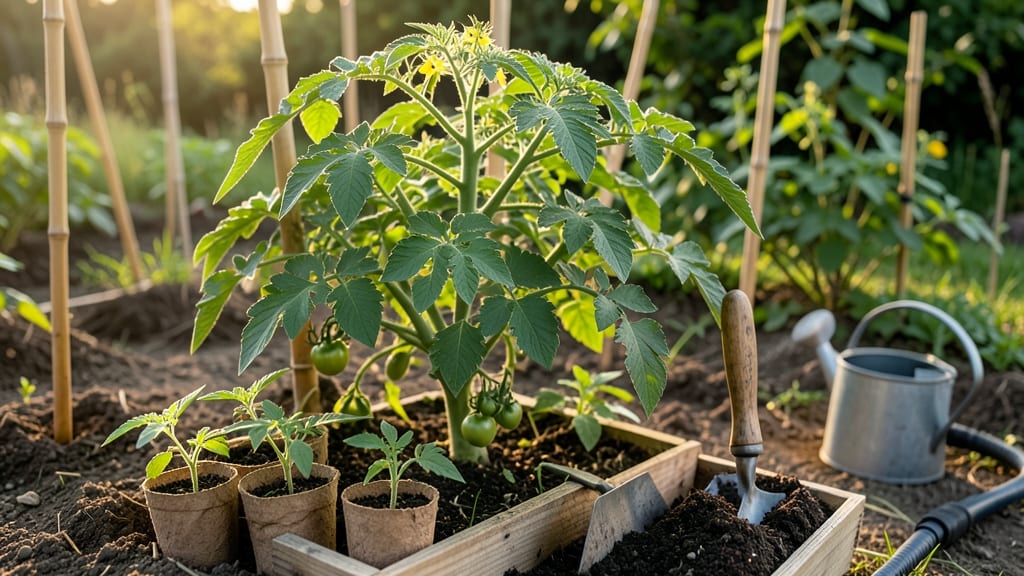
Planting tomatoes in Alabama at the wrong time can mean the difference between a juicy, homegrown harvest and a sad, wilted disappointment. With the state's varied climate zones—from North Alabama's cooler highlands to South Alabama's balmy coastal areas—getting the timing right is everything for your 🍅 plants to thrive.
Most gardeners in USDA zones 7b-8a know the general rule: wait until after the last frost date, which typically falls between late February and early April. But Alabama's unpredictable weather patterns mean you can't just follow a calendar—soil temperature and regional microclimates play a bigger role than you might think.
In this guide, I’ll break down the exact frost-free deadlines for North, Central, and South Alabama, plus how to adjust your planting schedule when Mother Nature throws curveballs.
Whether you're starting seeds indoors or transplanting seedlings, these tips will help you avoid common mistakes and set your tomatoes up for success.
Ready to grow the best tomatoes Alabama has to offer? Let’s dive into the perfect planting windows tailored to your region—and keep those pests and late frosts from ruining your harvest.
Alabama tomato planting dates by region: frost-free deadlines explained
Alabama’s diverse climate means tomato planting dates vary dramatically from North to South. In North Alabama, cooler temperatures and higher elevations delay the last frost until mid-April, while South Alabama gardeners can start as early as late February.
Getting these dates right ensures your plants thrive and avoid frost damage or heat stress.
Soil temperature is just as critical as air temperature. Tomatoes need soil temps above 60°F to germinate and grow properly. In Central Alabama, this typically aligns with late March, but microclimates—like urban heat islands or sheltered valleys—can shift these windows by weeks.
Always test your soil with a thermometer before planting.
Here’s a breakdown of regional planting windows, including last frost dates, soil readiness, and ideal transplanting times to maximize your tomato harvest.
| Region | Last Frost Date | Safe Planting Window | Soil Temp Requirement | Notes |
|---|---|---|---|---|
| North Alabama (Huntsville, Decatur) | Mid-April | Late April to early May | 60°F+ | Higher elevations delay planting; use row covers for early starts. |
| Central Alabama (Birmingham, Anniston) | Early April | Late March to early April | 60°F+ | Urban areas may warm faster; monitor soil temps closely. |
| South Alabama (Mobile, Dothan) | Late February | Late February to early March | 55°F+ (earlier starts possible) | Longer growing season; consider fall planting for second harvest. |
If you’re starting tomato seeds indoors, begin 6-8 weeks before your region’s last frost date. For example, North Alabama gardeners should start seeds in late February, while South Alabama can begin as early as January. Harden off seedlings for 7-10 days before transplanting to avoid shock.
For fall tomatoes, plant seeds directly in the soil in July for a late-season harvest. This works best in South Alabama, where the growing season extends into November. Use heat-tolerant varieties like ‘Celebrity’ or ‘Solar Fire’ to handle summer’s intensity.
Watch for unpredictable late frosts, especially in North Alabama. Keep row covers or frost cloth handy to protect young plants. In Central Alabama, microclimates near lakes or rivers can create pockets of warmth, allowing earlier planting in sheltered spots.
Container gardening? Tomatoes thrive in pots, but ensure containers are at least 5 gallons per plant. In South Alabama, you can start container tomatoes 2 weeks earlier than in-ground plants, as soil warms faster in pots. Just remember to water deeply—containers dry out quickly.
Pro tip: Use a planting calendar to track soil temps and regional frost alerts. Apps like Farmer’s Almanac or Old Farmer’s Almanac provide localized forecasts. Adjust your schedule if you notice soil temps lagging behind air temps—this is common in North Alabama’s clay soils.
Timing your tomato planting correctly in Alabama isn’t just about avoiding frost—it’s about syncing with the state’s humidity and heat patterns. By following these regional guidelines, you’ll set your plants up for a healthy, productive season from May through October. 🌱
How to adjust tomato planting for Alabama’s unpredictable weather patterns
Alabama’s unpredictable weather can turn a perfect planting schedule into a disaster if you’re not prepared. One year, you might face a late frost in April, while the next could bring 90°F heatwaves by May. The key to success?
Flexibility. I’ve learned that even the most experienced gardeners in USDA zones 7b-8a adjust their planting strategies based on soil temperature, humidity levels, and forecast trends—not just the calendar.
For example, in North Alabama, where late frosts can linger until early April, I’ve started using row covers to protect young seedlings. Meanwhile, in South Alabama, the real challenge is heat stress—so I opt for early-maturing varieties that can produce fruit before the summer sun becomes too intense.
Let’s break down the practical adjustments you can make to keep your tomatoes thriving, no matter what Mother Nature throws your way.
- Monitor soil temperature—Tomatoes need 60°F+ soil to germinate. Use a soil thermometer to avoid planting too early, even if frost risk has passed.
- Use row covers for late frosts—Lightweight fabric (like Reemay) can protect seedlings down to 28°F, buying you extra time in North Alabama.
- Stagger planting dates—Sow seeds 2 weeks apart to extend your harvest window, especially in Central Alabama where heat arrives early.
- Choose heat-tolerant varieties—Look for ‘Heatmaster’ or ‘Solar Fire’ tomatoes, which thrive in 90°F+ temperatures common in South Alabama.
- Transplant in late afternoon—Reduces transplant shock by minimizing midday heat stress on young plants.
- Mulch heavily in summer—Straw or black plastic mulch keeps roots 10°F cooler and retains moisture during Alabama’s humid heatwaves.
- Plan for fall planting—Start seeds indoors in July for a late-summer harvest, using shade cloth to protect from intense sun.
One of my biggest mistakes was planting determinate tomatoes (like ‘Celebrity’) too early in North Alabama. The plants bolted to flower before the frost risk was truly over, and I lost half my crop.
Now, I wait until mid-April for that region and focus on indeterminate varieties like ‘Better Boy’, which can handle Alabama’s long, hot summers better. The trade-off? They take longer to mature, but the payoff is worth it.
Humidity is another wild card in Alabama gardening. If you’ve ever seen blossom end rot or fungal diseases like early blight, you know how quickly moisture can turn against you. To combat this, I’ve switched to drip irrigation instead of overhead watering.
Keeping leaves dry reduces spore spread, and the consistent moisture helps prevent calcium deficiency in your tomatoes. Pair this with a balanced fertilizer (like 5-10-10) every 3-4 weeks, and you’ll give your plants the steady nutrition they need to fight off stress.
For gardeners in South Alabama, where hurricane season overlaps with tomato season, I recommend container growing. Pots let you move plants to shelter quickly and avoid soil compaction from heavy rains. Plus, you can control the drainage better, which is critical in Alabama’s clay-heavy soils.
If you’re committed to in-ground planting, raise your beds to improve drainage and add compost to boost organic matter—this helps roots access nutrients even when the ground is soggy.
Finally, don’t underestimate the power of weather forecasting. I check the National Weather Service and local ag extensions for 10-day outlooks before planting. If a heatwave is predicted, I delay transplanting until temps drop below 85°F.
And if frost is forecasted in April, I have my row covers ready to go. These small adjustments have saved my crops more times than I can count.
With Alabama’s variable climate, the best gardeners aren’t the ones who follow a rigid schedule—they’re the ones who adapt on the fly.